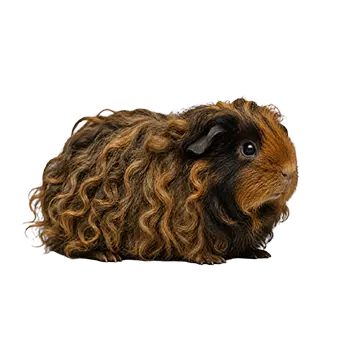

Temperature and humidity are two of the most critical environmental factors for guinea pig health, and the Lunkarya's dense, insulating coat makes the breed especially vulnerable to overheating. A digital thermometer and hygrometer placed near the enclosure gives you real-time visibility into the conditions your guinea pig is actually experiencing, which may differ significantly from the thermostat reading in another part of the room.
Wireless environmental sensors that connect to a smartphone app offer a meaningful upgrade over basic standalone units. These devices log temperature and humidity over time, allowing you to identify patterns — a room that stays cool during the day might spike in temperature during late afternoon when sunlight hits a nearby window, or humidity might climb overnight in a poorly ventilated space. Many models allow you to set custom alert thresholds so you receive a notification if conditions drift outside the safe range for guinea pigs, typically 65 to 75 degrees Fahrenheit and 40 to 70 percent relative humidity.
Placement matters as much as the device itself. Mount the sensor at the same height as the enclosure, not on a high shelf or across the room. Temperature can vary by several degrees between floor level and ceiling height, especially in rooms with poor air circulation. If the enclosure is near a window, exterior wall, or heating vent, a sensor placed directly on or inside the cage gives you the most accurate picture of what the guinea pig is experiencing.
For owners who keep guinea pigs in outbuildings, garages, or enclosed porches during mild weather, an environmental monitor is not optional — it is a safety requirement. These spaces are subject to far greater temperature swings than interior rooms, and a sudden heat wave or cold snap can create dangerous conditions before you notice. A sensor with push notifications to your phone ensures you can respond quickly, even when you are not physically near the enclosure.