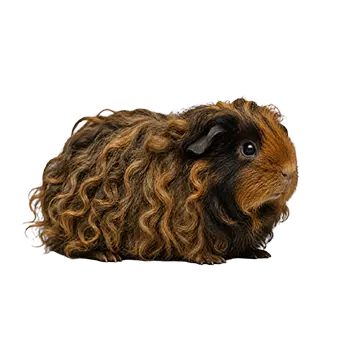

Lunkarya guinea pigs share the same core dietary requirements as all cavies, but their unusually dense and curly coat places additional demands on their nutrition. Vitamin C is the single most critical nutrient for any guinea pig because they cannot synthesize it on their own. A deficiency leads to scurvy, which manifests as lethargy, joint swelling, and a rough coat — something especially concerning in a breed whose coat health is a primary indicator of overall wellbeing.
Beyond vitamin C, the Lunkarya benefits from a diet rich in fiber, moderate in calcium, and low in sugar and fat. Fiber drives healthy gut motility, and because guinea pigs practice cecotrophy — re-ingesting specialized droppings to extract additional nutrients — any disruption in gut flora can cascade quickly into serious illness. A high-fiber foundation, primarily from unlimited grass hay, keeps the digestive system functioning properly and also helps wear down continuously growing teeth.
The Lunkarya's long, spiraling coat requires adequate protein and trace minerals to maintain its texture and density. Diets that fall short on amino acids or zinc may produce a coat that becomes brittle, tangled more easily, or loses its characteristic curl pattern. While you should never over-supplement, ensuring that the base diet is nutritionally complete goes a long way toward keeping a Lunkarya looking and feeling its best.
Water intake is another factor worth monitoring. Guinea pigs on a diet heavy in fresh vegetables may drink less from their bottle, but the Lunkarya's active metabolism and coat growth still demand reliable hydration. Always provide fresh water daily, and consider a bottle with a wide-bore sipper tube that is easy to clean and less prone to clogging.