
Grooming Tools

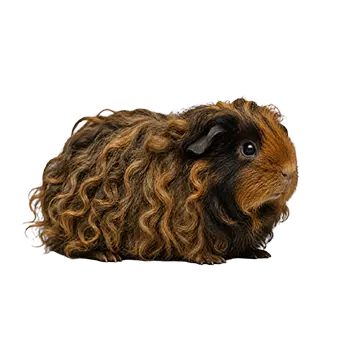
The Lunkarya's defining feature — its long, dense, corkscrew-curled coat — makes grooming the most important accessory category for this breed. Unlike smooth-coated guinea pigs that require little more than the occasional brushing, the Lunkarya demands a regular grooming routine and the right set of tools to keep its coat clean, untangled, and healthy. Investing in quality grooming equipment upfront saves considerable time and frustration over the life of the animal.

A wide-toothed metal comb is the primary tool for working through a Lunkarya's coat. Fine-toothed combs and slicker brushes — common for dogs and cats — tend to catch and rip through the curls, breaking the distinctive spiral pattern and causing discomfort. Start at the tips of the fur and work inward toward the body in small sections, gently teasing apart any tangles rather than pulling through them. A detangling comb with rotating teeth can make this process significantly smoother.

Small, rounded-tip grooming scissors are essential for trimming the coat around the rear end, where soiling is most common, and for cutting out mats that cannot be combed free. Many Lunkarya owners maintain a shorter trim in the hindquarters year-round to reduce hygiene issues. Nail clippers designed for small animals are another non-negotiable tool — guinea pig nails grow continuously and need trimming every three to four weeks. A styptic powder pen should always be on hand in case you accidentally clip the quick.

A soft-bristle brush can be used for gentle daily maintenance between deeper grooming sessions. It will not penetrate the full depth of the Lunkarya's coat, but it helps remove surface debris, loose hay, and bedding particles that accumulate throughout the day. Some owners also keep a fine misting bottle filled with plain water to lightly dampen the coat before combing, which reduces static and makes the curls easier to work through without breakage.

Bowls & Feeders

Food and water delivery systems might seem straightforward, but the wrong choice can lead to spills, contamination, and unnecessary mess — all of which are amplified for a long-coated breed like the Lunkarya. Heavy ceramic bowls are the gold standard for dry food and vegetable servings. Their weight prevents tipping, their smooth glaze is easy to clean, and they do not harbor bacteria the way plastic bowls can over time. Look for bowls with low sides so the guinea pig can eat comfortably without dragging its chest fur through the food.

Hay racks are a better option than simply piling hay on the enclosure floor, though floor feeding is not harmful. A wall-mounted hay rack keeps the bulk of the hay clean and elevated, reducing the amount that gets soiled or trampled. For Lunkaryas, choose a rack with wide openings and no sharp wire edges that could snag the coat as the guinea pig pulls hay free. Some owners prefer hay bags made from fabric with large mesh openings, which serve the same purpose with less snag risk.

Water bottles with ball-bearing sipper tubes are the standard hydration method for guinea pigs. Bottles keep the water clean and prevent the guinea pig from stepping in or soiling an open dish. Mount the bottle at a height where the guinea pig can drink comfortably without straining its neck — the sipper tube should sit roughly at the guinea pig's shoulder level. Check the ball bearing daily for smooth operation, and disassemble the tube for cleaning at least once a week to prevent algae buildup.

Some owners offer a secondary open water dish alongside the bottle, particularly for guinea pigs that are heavy drinkers or have difficulty using a sipper tube. If you use a dish, choose one that is heavy enough to resist tipping and shallow enough that the guinea pig cannot submerge its face. For Lunkaryas, an open dish introduces the risk of the chest and chin fur getting wet during drinking, so monitor for damp fur that could contribute to skin irritation.

Carriers & Travel Gear

Every guinea pig owner needs a suitable carrier for veterinary visits at minimum, and a well-chosen carrier also serves during cage-cleaning sessions, emergency evacuations, and travel. The best carriers for guinea pigs are hard-sided, well-ventilated, and easy to open from the top. A top-loading design allows you to lift the guinea pig in and out without forcing it through a narrow front door, which is less stressful for the animal and less likely to snag the Lunkarya's long coat.

Size the carrier so the guinea pig can sit comfortably, turn around, and lie down, but not so large that it slides around during transport. A carrier roughly 16 by 10 inches works well for a single adult guinea pig. If you are transporting a pair, use either a larger carrier or two separate units — cramming two stressed guinea pigs into a tight space often leads to scuffling and injury.

Line the carrier with a piece of fleece or a small towel for traction and comfort. Guinea pigs on slick plastic surfaces become anxious because they cannot grip the floor, which increases stress hormones and can trigger diarrhea. Add a small handful of hay for the guinea pig to nibble during the trip, and include a small hide or even a folded washcloth for the animal to tuck against. These small comforts make a significant difference during what is inherently a stressful experience for a prey animal.

For car travel beyond a quick veterinary visit, secure the carrier on a flat surface — the footwell of the back seat is often the most stable position. Avoid placing the carrier in direct sunlight or near heating vents, and never leave a guinea pig unattended in a parked car, even briefly. Temperature inside a closed vehicle can reach dangerous levels within minutes, and the Lunkarya's heavy coat makes it especially vulnerable to heat stress.

Cleaning & Hygiene Supplies

Maintaining a clean enclosure is fundamental to guinea pig health, and having the right cleaning supplies on hand makes the task more efficient and thorough. A dedicated dustpan and hand broom or a small handheld vacuum allows you to do quick daily spot-cleaning of droppings, scattered hay, and soiled bedding patches. For Lunkarya owners using fleece liners, a lint roller or rubber-bristle broom is invaluable for removing the fine hay chaff that clings to fleece surfaces.

For deep cleaning — which should happen at least once a week with disposable bedding or every three to four days with fleece — the enclosure needs to be fully emptied and sanitized. A pet-safe disinfectant spray or a simple solution of white vinegar and water works well for wiping down cage walls, coroplast bases, and plastic accessories. Avoid bleach and ammonia-based cleaners, both of which leave residues and fumes that can irritate a guinea pig's sensitive respiratory system.

Fleece liners require a specific washing protocol to maintain their moisture-wicking properties. Shake off loose debris, pre-soak in a mixture of vinegar and water to break down urine residue, then wash in a machine with a free-and-clear detergent — no fabric softener, which coats the fleece fibers and destroys their ability to wick moisture. Dry on low heat or hang dry. Having at least two sets of liners means one is always ready while the other is being washed.

Food bowls, water bottles, and hay racks should be washed daily with hot water and a bottle brush. Biofilm — a thin bacterial layer — builds up inside water bottle tubes quickly and is not visible to the naked eye. A dedicated set of small brushes sized for the sipper tube, bottle opening, and bowl interior ensures thorough cleaning. Replace water bottles and plastic bowls at the first sign of cracking, cloudiness, or persistent odor, as damaged surfaces harbor bacteria that regular cleaning cannot reach.

Nail Care & Health Monitoring Tools

Regular nail trimming is one of the most important routine health tasks for any guinea pig, and it requires a few simple but specific tools. Small animal nail clippers — either the guillotine style or the scissor style — are available at most pet supply stores. Many guinea pig owners prefer the scissor style for the greater control it offers over cutting angle and pressure. A pair of human baby nail clippers can also work well for guinea pigs with small, thin nails.

Styptic powder or a styptic pencil is essential to have on hand before every trimming session. Guinea pig nails contain a blood vessel called the quick, and accidentally cutting into it causes bleeding and pain. For guinea pigs with light-colored nails, the quick is visible as a pink shadow inside the nail, making it relatively easy to avoid. Dark-nailed guinea pigs require more caution — trim in very small increments and stop well before you reach the point where the nail begins to curve downward.

A small digital kitchen scale accurate to at least one gram is one of the most valuable health monitoring tools a guinea pig owner can have. Weekly weigh-ins catch weight loss — often the earliest sign of illness in cavies — before other symptoms appear. A healthy adult guinea pig typically weighs between 700 and 1200 grams depending on sex and build. A loss of more than 50 grams in a week warrants close monitoring, and a loss exceeding 100 grams calls for a veterinary visit.

Keep a basic small-animal first aid kit accessible at all times. At minimum, this should include the styptic powder already mentioned, saline wound wash, a small syringe for administering oral fluids or medication, a few gauze pads, and a towel for wrapping and restraining the guinea pig during treatment. A penlight or small flashlight is useful for inspecting ears, eyes, and the underside of the guinea pig during routine health checks.

Seasonal & Situational Gear

Certain accessories become necessary or especially useful depending on the season, living situation, or specific circumstances. During warm months, ceramic or marble cooling tiles provide a passive temperature-regulation surface inside the enclosure. Guinea pigs naturally seek out cool spots when they are warm, and a Lunkarya with its heavy coat will gravitate to a cooling tile quickly. Keep a spare in the refrigerator so you can rotate tiles on particularly hot days.

Playpens and exercise pen panels are a worthwhile investment for guinea pig owners who provide regular floor time. Modular metal or plastic panels can be configured into any shape and size, and they fold flat for storage. For Lunkaryas, choose panels with a smooth bottom edge and no gaps or protrusions at floor level where the coat could catch. A height of at least 14 inches is recommended to prevent escape, though most guinea pigs are not serious climbers.

If you keep your guinea pigs outdoors seasonally — which is common in temperate climates — weatherproofing accessories become essential. A waterproof hutch cover protects against rain and wind, insulated panels or old blankets can line the hutch walls during cool nights, and a predator-proof mesh apron around the base prevents digging access by foxes, raccoons, or neighborhood cats. The Lunkarya should not be housed outdoors during extreme heat, as its coat provides no meaningful cooling mechanism.

Emergency preparedness gear is easy to overlook but important. A second carrier stored with a small supply of hay, pellets, and a water bottle means you are ready for a quick evacuation without scrambling to assemble supplies. Include a printed card with your veterinarian's contact information and any medications your guinea pig takes. In areas prone to power outages, a battery-powered or USB-rechargeable heating pad designed for small animals can prevent hypothermia during extended cold-weather outages.

Always consult a qualified professional before making any health-related decisions. This content is provided for informational reference only and should not replace professional guidance specific to your animal.