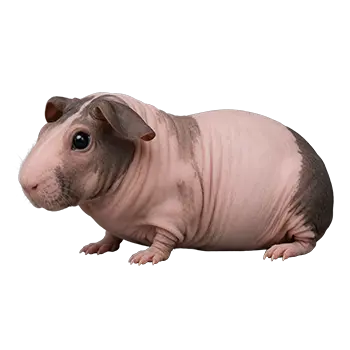

For a hairless guinea pig, environmental temperature is not just a comfort factor — it is a health imperative. A digital thermometer and hygrometer placed at cage level provides the most accurate reading of what your Baldwin actually experiences, which can differ significantly from the thermostat setting on the wall. Heat rises, floors are cooler, and the microclimate inside an enclosure with bedding, hay, and body heat has its own temperature profile. Aim to maintain 68 to 76 degrees Fahrenheit with 40 to 60 percent relative humidity at the cage itself, not across the room.
Smart temperature and humidity sensors that connect to a phone application take monitoring a step further by providing continuous data logging and customizable alerts. If the temperature drops below your set threshold overnight or the humidity spikes while you are at work, the app sends a push notification so you can respond before conditions become dangerous. This is especially valuable during seasonal transitions when heating systems cycle on and off unpredictably, and during power outages when temperature control disappears entirely.
Placement of the sensor matters more than the sensor's price point. Position it at the same height as your Baldwin's resting area — not on top of the cage, not on the floor beside it, but at the level where the pig actually lives. If the cage has a warm zone near a heat pad and a cooler zone farther away, consider placing sensors in both locations to understand the temperature gradient your pig navigates throughout the day. This data helps you optimize heat pad placement and cage orientation.
Some advanced sensors integrate with smart home systems, allowing you to automate responses. A temperature drop can trigger a smart plug to activate a space heater, for instance, or a humidity spike can turn on a dehumidifier. While these automations add complexity, they provide a safety net for Baldwins whose thermoregulation challenges make them more vulnerable to environmental fluctuations than furred guinea pigs.