
Nutritional Needs

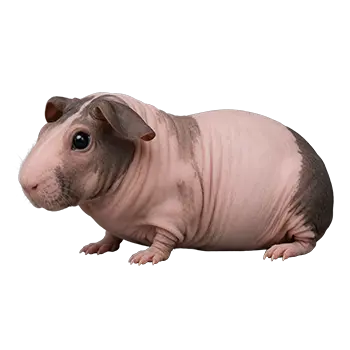
Baldwin guinea pigs share the same fundamental dietary requirements as all cavies, but their hairless bodies place additional demands on their metabolism. Without a fur coat to provide insulation, Baldwins burn more calories simply maintaining body temperature. This means they often need a slightly higher caloric intake than their furred counterparts, particularly in cooler environments. A diet built around unlimited timothy hay, a measured portion of high-quality pellets, and a daily rotation of fresh vegetables forms the foundation of good Baldwin nutrition.

Vitamin C is the single most critical nutrient for any guinea pig, and Baldwins are no exception. Cavies cannot synthesize their own vitamin C, so it must come from food every single day. A deficiency leads to scurvy, which can manifest as lethargy, swollen joints, poor wound healing, and rough or flaky skin — problems that are especially visible and concerning on a hairless animal. Aim for 25 to 40 milligrams of vitamin C daily through a combination of pellets and fresh produce.

Skin health is directly tied to nutrition in hairless breeds. Essential fatty acids, particularly omega-3 and omega-6, support the skin barrier and help prevent the dryness and cracking that Baldwins are prone to. Look for pellets and supplements that include flaxseed or similar ingredients that support coat and skin condition. A well-fed Baldwin will have smooth, supple skin with a healthy sheen, while dietary deficiencies often show up as flakiness, irritation, or slow healing of minor scrapes.

Calcium balance also deserves attention. Young, growing Baldwins need more calcium than adults, so alfalfa-based hay and pellets are appropriate for juveniles under six months. After that transition point, switching to timothy-based products helps prevent bladder stones and urinary sludge, which guinea pigs are particularly susceptible to. Monitoring urine for white, chalky deposits can help you gauge whether calcium intake is appropriately balanced.

What to Look For in Pellets

The pellet you choose forms the nutritional backbone of your Baldwin's daily diet, so it pays to read labels carefully. A quality guinea pig pellet should be timothy hay-based for adults and alfalfa-based for juveniles, with stabilized vitamin C listed among the first several ingredients. Avoid pellets that contain seeds, dried fruit pieces, colored kibble, or yogurt drops mixed in — these are marketing gimmicks that add sugar and fat without meaningful nutritional benefit, and they encourage selective feeding where the guinea pig picks out the junk and leaves the healthy bits behind.

Plain, uniform pellets are the gold standard. Each piece should look identical, ensuring your Baldwin gets consistent nutrition in every bite rather than being able to sort through a trail mix of ingredients. The fiber content should be at least 15 percent, and crude protein should fall in the 14 to 16 percent range for adults. Fat content should remain low, generally under 4 percent, as guinea pigs are prone to obesity when given calorie-dense food with limited exercise.

Serving size matters as much as pellet quality. An adult Baldwin should receive roughly one-eighth cup of pellets per day. It is tempting to free-feed pellets, but this leads to overeating, reduced hay consumption, and eventual weight problems. Pellets should complement the hay-based diet, not replace it. Offer the daily portion in a heavy ceramic bowl that resists tipping, and remove any uneaten pellets after 24 hours to prevent them from going stale and losing their vitamin C potency.

Storage directly impacts nutritional value. Vitamin C degrades rapidly when exposed to light, heat, and air. Store pellets in an airtight container in a cool, dark location, and use them within 90 days of opening the bag. Buying in bulk may seem economical, but if the pellets sit for months, the vitamin C content drops to negligible levels long before the bag is empty. Smaller bags replaced more frequently will serve your Baldwin far better than a large bag that slowly loses its nutritional punch.

Hay Types & Selection

Hay should constitute roughly 80 percent of your Baldwin's diet by volume, and it needs to be available around the clock. Timothy hay is the standard recommendation for adult guinea pigs — it provides the long-strand fiber essential for healthy digestion and the abrasive texture needed to wear down continuously growing teeth. A Baldwin that does not eat enough hay is at risk for gastrointestinal stasis, dental overgrowth, and nutritional imbalances that can compromise skin health.

Not all timothy hay is created equal. First-cut timothy tends to be coarser with thicker stalks and more seed heads, making it excellent for dental wear but sometimes less palatable. Second-cut is softer, leafier, and generally preferred by picky eaters. Third-cut is the softest and most aromatic, which can entice reluctant hay eaters, but it is lower in fiber. Many experienced owners keep two cuts on hand and blend them to balance palatability with fiber content.

Variety hays can supplement timothy without replacing it. Orchard grass is slightly sweeter and softer, making it a good option for Baldwins who seem uninterested in straight timothy. Oat hay offers crunchy seed heads that most guinea pigs enjoy, though it is slightly higher in calories. Meadow hay provides a natural mix of grasses that mimics wild foraging. Rotating these alongside the timothy staple keeps mealtimes interesting and encourages consistent hay consumption.

Alfalfa hay occupies a special role. It is significantly higher in calcium and calories than grass hays, making it ideal for pregnant, nursing, or juvenile guinea pigs under six months old. However, feeding alfalfa to healthy adults on an ongoing basis increases the risk of bladder stones and weight gain. Treat alfalfa as a targeted supplement for life stages that demand extra nutrition, and phase it out as your Baldwin matures. Always inspect hay before offering it — discard any bales that smell musty, appear dusty, or show signs of mold, as respiratory issues can develop quickly in guinea pigs exposed to poor-quality hay.

Fresh Vegetables & Fruits

Fresh vegetables are the primary vehicle for delivering natural vitamin C and a range of micronutrients that pellets alone cannot fully provide. Bell peppers — particularly red and yellow varieties — are the single best vegetable for guinea pigs in terms of vitamin C density, and most Baldwins eat them eagerly. A few thin slices of bell pepper daily can cover a significant portion of your cavy's vitamin C requirement without adding excessive sugar or calcium.

Leafy greens should appear in the daily rotation but require some selectivity. Romaine lettuce, green leaf lettuce, and cilantro are safe everyday options that are low in calcium and well-tolerated. Parsley, kale, and spinach are nutrient-rich but high in calcium or oxalates, so they should be offered sparingly — perhaps two or three times per week rather than daily. Rotating your greens prevents any single mineral from accumulating to problematic levels while exposing your Baldwin to a broad nutritional profile.

Fruits are best treated as occasional treats rather than dietary staples. Small pieces of strawberry, blueberry, apple (without seeds), or kiwi can be offered once or twice a week. The natural sugars in fruit can contribute to weight gain and digestive upset if fed too generously. Think of fruit as a reward or enrichment tool — a small cube of watermelon on a warm day, for instance — rather than a daily menu item.

Introduce any new vegetable or fruit gradually. Guinea pigs have sensitive digestive systems, and sudden dietary changes can trigger diarrhea or bloating. Offer a small piece of the new food alongside familiar items, then wait 24 hours to watch for adverse reactions before increasing the portion. This is especially important for Baldwins, whose exposed skin makes dehydration from diarrhea a more visible and immediate concern. Always wash produce thoroughly and serve it at room temperature rather than straight from the refrigerator.

Treats & Supplements

Vitamin C supplements are the most common and most justified addition to a Baldwin's diet. Even with a well-planned menu of pellets and fresh vegetables, daily vitamin C intake can be inconsistent. Liquid vitamin C drops designed for small animals can be administered directly by syringe — never added to the water bottle, where the vitamin degrades within hours and can discourage drinking. Small chewable vitamin C tablets formulated for guinea pigs are another option, and many cavies learn to accept them as a treat.

Commercial guinea pig treats line pet store shelves, but the vast majority are unnecessary at best and harmful at worst. Yogurt drops, honey sticks, seed bars, and colored biscuit treats are loaded with sugar, fat, and ingredients that guinea pigs were never meant to eat. These products exist to appeal to human shoppers, not to benefit cavies. The best treats are simple, whole foods: a sprig of fresh dill, a thin slice of cucumber, a small piece of bell pepper, or a few leaves of fresh basil.

Probiotics formulated for small herbivores can support digestive health, particularly after illness, antibiotic treatment, or periods of stress. A healthy guinea pig gut relies on a complex community of beneficial bacteria to break down fibrous plant material. Disruptions to this microbiome can cause gas, bloating, and reduced nutrient absorption. Probiotic supplements designed specifically for cavies can help restore balance, though they should not be used as a substitute for a proper hay-heavy diet.

Joint and skin supplements may benefit older Baldwins or those with chronic dryness. Omega fatty acid supplements in liquid form can be mixed into a small amount of pellet mash or administered by syringe. Some owners also offer a tiny amount of food-grade coconut oil as a calorie-dense treat that simultaneously supports skin condition. Any supplement regimen should be discussed with a veterinarian experienced in exotic small animals, as guinea pig metabolisms are sensitive to excess vitamins and minerals.

Foods to Avoid

Certain common foods are toxic or dangerous to guinea pigs and must be kept entirely out of reach. Onions, garlic, leeks, and chives belong to the allium family and can cause hemolytic anemia in small animals. Potatoes — especially green or sprouted ones — contain solanine, which is toxic to cavies. Rhubarb leaves are high in oxalic acid and can cause kidney damage. Avocado contains persin, a compound that is toxic to many small animals. These are not foods to offer in small quantities or as rare treats; they should never be fed at all.

Dairy products, meat, eggs, and any processed human foods are inappropriate for guinea pigs, which are strict herbivores. Their digestive systems are designed to ferment plant fiber, not process animal proteins or complex processed ingredients. Bread, crackers, pasta, cereal, and similar starchy human foods can cause serious bloating and gastrointestinal distress. Chocolate and caffeine are toxic and potentially fatal even in small amounts.

Some plant-based foods that seem healthy can still cause problems. Iceberg lettuce has almost no nutritional value and its high water content can cause diarrhea. Cabbage and broccoli, while not toxic, produce significant gas in the guinea pig gut and should be offered only in very small amounts if at all. Seeds, nuts, and dried corn are choking hazards and far too high in fat for a cavy's dietary needs. Even safe vegetables like carrots should be limited due to their sugar content — a thin coin-sized slice a few times per week is sufficient.

Be cautious with foraged plants and grasses. While guinea pigs are natural grazers, many common yard plants, garden flowers, and weeds are toxic. Buttercups, foxglove, lily of the valley, ivy, and nightshade are all dangerous. If you allow your Baldwin to graze outdoors, ensure the area has not been treated with pesticides, herbicides, or fertilizers, and confirm that every plant species present is guinea pig-safe. When in doubt, stick to store-bought produce where you can control exactly what your cavy consumes.

Feeding Schedule

Consistency is key to guinea pig digestive health, and Baldwins benefit from a predictable daily routine. Hay should be available at all times — refill the hay rack or feeding area at least twice daily to ensure a constant fresh supply. Guinea pigs are grazing animals that eat frequently throughout the day and night, and any gap in hay availability can slow gut motility and lead to dangerous stasis. Think of hay not as a meal but as an always-on resource, like water.

Pellets are best offered once daily in a measured amount. An eighth-cup portion in the morning gives your Baldwin a concentrated nutrient boost to start the day. Some owners split this into two smaller servings, morning and evening, which can work well for multi-pig households where one dominant animal might monopolize the bowl. Remove uneaten pellets after 24 hours and wash the bowl before refilling.

Fresh vegetables should be served once or twice daily, ideally at consistent times. A morning salad of leafy greens and a small evening portion of bell pepper or cucumber, for example, creates a rhythm that your Baldwin will quickly learn to anticipate. Preparing a weekly vegetable rotation in advance helps ensure dietary variety without daily deliberation. Wash and chop vegetables just before serving, and remove any uneaten fresh food within a few hours to prevent spoilage in the cage.

Fresh water must be available around the clock, and water bottles or bowls should be checked and refilled at least twice daily. Some Baldwins drink more than furred guinea pigs because their exposed skin loses moisture more readily, particularly in dry or heated indoor environments. Monitor water consumption as a health indicator — a sudden drop in drinking often signals illness. Clean water bottles thoroughly every few days to prevent algae buildup and bacterial contamination in the sipper tube.

Always consult a qualified professional before making any health-related decisions. This content is provided for informational reference only and should not replace professional guidance specific to your animal.