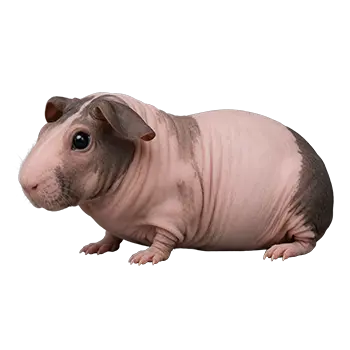

Space Requirements

Guinea pigs need significantly more space than most pet store starter cages provide, and Baldwins are no exception. A single Baldwin requires a minimum of 7.5 square feet of uninterrupted floor space, while a pair — and guinea pigs should almost always be kept in pairs or groups — needs at least 10.5 square feet. These are floor-dwelling animals that do not climb, so horizontal space matters far more than vertical height. An enclosure that feels spacious to a human eye may still be inadequate if the actual floor dimensions fall short of these minimums.

C&C-style enclosures — grid panels lined with a corrugated plastic base — have become the gold standard among experienced guinea pig owners because they can be sized to any dimension, reconfigured easily, and expanded as your herd grows. A two-by-four grid setup provides roughly eight square feet, suitable for a single pig, while a two-by-five or larger layout accommodates a pair comfortably. Pre-built commercial cages that meet these size requirements do exist but tend to be expensive and harder to find than standard pet store offerings.

Floor time outside the cage is valuable enrichment, but it should supplement adequate cage space rather than compensate for a cramped enclosure. A Baldwin left in a small cage for 22 hours a day with two hours of floor time is still living in substandard conditions for the vast majority of its life. The enclosure should be large enough for your guinea pig to run short sprints — the joyful bursts of speed known as zoomies — without immediately hitting a wall. If your Baldwin cannot take at least three full strides in a straight line inside the cage, the space is too small.

Placement of the enclosure within your home matters as well. Choose a location that is away from direct sunlight, drafts, heating vents, and loud appliances. Guinea pigs are sensitive to temperature extremes and sudden noises. A quiet corner of a living room or bedroom where the family spends time is ideal — guinea pigs are social animals that benefit from regular human interaction, and isolating them in a back room or garage can lead to loneliness and stress.

Cage Types & Materials

The most common cage options for guinea pigs fall into three categories: commercial pet store cages, C&C grid enclosures, and custom-built wooden hutches. Each has advantages and drawbacks, and the right choice depends on your living situation, budget, and willingness to maintain the setup. For Baldwins specifically, the enclosure material should not have rough or abrasive surfaces that could scratch or injure their exposed skin.

Commercial cages with solid plastic bottoms and wire tops are widely available and easy to set up. However, the majority sold in pet stores are far too small for guinea pigs, often marketed with misleading labels that suggest they are appropriate for animals they cannot adequately house. If you go this route, look for cages specifically designed for guinea pigs with at least the minimum recommended square footage. Avoid cages with wire floors, as these cause painful bumblefoot and are especially dangerous for hairless breeds whose skin has no fur buffer against the metal.

C&C enclosures offer the best combination of space, customization, and cost-effectiveness. The grid panels are lightweight and snap together without tools, while the corrugated plastic base (coroplast) is inexpensive and easy to cut and fold into a custom tray. This design allows you to create an enclosure exactly sized for your space and number of pigs, add upper levels with ramps, and reconfigure the layout whenever you want. The open-top design also makes interaction easy, though you may need a lid if you have cats or dogs in the home.

Wooden hutches and enclosures are durable and aesthetically pleasing but come with a significant maintenance challenge: wood absorbs urine and odors over time, even when sealed. If you choose a wooden enclosure, ensure all interior surfaces are coated with a pet-safe waterproof sealant and plan to re-seal periodically. Glass aquariums should be avoided entirely, as they provide poor ventilation and trap ammonia fumes from urine, which can damage guinea pig respiratory systems quickly.

Bedding & Substrate

Bedding choice has an outsized impact on Baldwin health because their bare skin is in constant direct contact with whatever lines the cage floor. Rough, dusty, or irritating substrates that a furred guinea pig might tolerate without issue can cause skin irritation, abrasions, and even infections on a hairless animal. The ideal bedding is soft, highly absorbent, low in dust, and easy to clean or replace.

Fleece liners have become the preferred bedding for many Baldwin owners. Reusable fleece cage liners wick moisture through to an absorbent underlayer, keeping the surface dry against the skin. They are soft, warm, and produce no dust. The tradeoff is maintenance — fleece liners need to be swept of hay and droppings daily and laundered every three to four days. Using an absorbent layer underneath, such as a puppy pad or U-haul furniture pad, is essential for the wicking system to function properly.

Disposable paper-based bedding is the most popular alternative. It is soft, absorbent, and available in low-dust formulations that are safe for sensitive respiratory systems. Look for unbleached, undyed options to minimize chemical exposure against bare skin. Paper bedding needs to be spot-cleaned daily and fully replaced every four to five days, depending on the number of pigs and cage size. It does create ongoing expense, but it requires less laundry and is more forgiving of missed cleaning days than fleece.

Cedar and pine shavings should be strictly avoided. Both contain aromatic phenols that are toxic to guinea pig respiratory systems and can cause liver damage with prolonged exposure. Kiln-dried pine is considered safer than raw pine by some sources, but paper or fleece options eliminate the risk entirely and are gentler on hairless skin. Corn cob bedding is another poor choice — it does not absorb well, grows mold quickly, and can be accidentally ingested, causing intestinal blockages.

Hideouts & Shelters

Guinea pigs are prey animals with a deep instinctual need to hide, and every enclosure should include at least one shelter per pig plus one extra. Baldwins are no different in their psychological need for cover, but their shelters also serve a thermoregulatory function — enclosed spaces trap body heat and help a hairless pig stay warm. Fleece-lined hideouts, fabric tunnels, and wooden houses all serve the purpose, but fabric options are generally preferable for Baldwins because they are softer against bare skin and provide additional insulation.

Fleece cuddle sacks and cozy caves are particularly popular with hairless guinea pig owners. These fabric pouches allow the pig to burrow inside, surrounded by soft material that retains warmth. Many Baldwins will spend a significant portion of their resting time nestled inside a fleece sack, and some owners provide multiple sacks throughout the cage so there is always one within easy reach. Wash these regularly, as they accumulate hay dust, dander, and natural skin oils.

Rigid hideouts made from wood, plastic, or bent logs give guinea pigs a solid structure to duck under when startled. Ensure any wooden hideout has smooth, sanded edges with no splinters or rough patches that could scrape bare skin. Plastic igloos are easy to clean and inexpensive to replace, though they do not provide the warmth of fabric options. Many owners use a combination — a solid hideout for daytime retreating and a fleece sack for cozy sleeping.

Avoid hideouts with only one entrance. A guinea pig trapped in a dead-end shelter by a cagemate or perceived threat will panic, and the resulting stress can cause injury. Two-opening hideouts allow an escape route and reduce territorial conflicts in multi-pig setups. Bridges, arches, and open-bottom shelters also work well, giving the pig a sense of overhead cover while maintaining easy movement in all directions.

Climate Considerations

Temperature management is arguably the most critical housing concern for Baldwin guinea pigs. Without fur to insulate them, Baldwins are far more vulnerable to temperature extremes than their coated relatives. The ideal ambient temperature range for a hairless guinea pig is 68 to 76 degrees Fahrenheit. Below 65 degrees, a Baldwin can begin to lose body heat faster than it can produce it, leading to hypothermia. Above 80 degrees, guinea pigs of all types are at risk of heatstroke, which can be fatal.

In cooler climates or during winter months, supplemental warmth may be necessary even in a heated home. Microwaveable heat pads designed for small animals provide a safe, cordless source of warmth that can be placed under fleece bedding. Avoid electric heating pads intended for humans, as these can overheat and burn exposed skin. Fleece-lined cage covers that drape over part of the enclosure can also trap warmth without restricting airflow, creating a warmer microclimate within one section of the cage.

Humidity matters nearly as much as temperature for hairless guinea pigs. Dry air — common in homes with forced-air heating — causes their skin to crack and flake, while excessively humid environments promote fungal skin infections. Aim for a relative humidity between 40 and 60 percent in the room where your Baldwin lives. A small room humidifier can help during dry winter months, and a hygrometer placed near the cage provides an easy way to monitor conditions.

Air quality within the enclosure is another climate factor that often goes overlooked. Ammonia from urine builds up quickly in poorly ventilated setups, and guinea pigs have sensitive respiratory systems. Solid-walled enclosures and aquarium-style tanks trap ammonia at floor level — exactly where your pig lives and breathes. Open-top C&C cages with good room airflow are far healthier. If you notice any ammonia odor when you lean over the cage, the bedding needs to be changed immediately and ventilation needs to be improved.

Multi-Pig Households

Guinea pigs are social herd animals that thrive with companionship, and keeping a Baldwin alone is strongly discouraged unless a veterinarian has identified a specific medical or behavioral reason for solitary housing. A lone guinea pig, regardless of how much human attention it receives, will often become depressed, lethargic, and prone to stress-related health problems. Pairing your Baldwin with at least one compatible companion dramatically improves quality of life.

When housing multiple guinea pigs together, space requirements scale upward. Two pigs need a minimum of 10.5 square feet, three pigs require at least 13 square feet, and larger groups need proportionally more. Each additional pig also means more hideouts, more food stations, and more frequent cleaning. Crowded conditions breed territorial aggression, stress, and health problems, so err on the side of more space whenever possible.

Introducing a new guinea pig to an existing Baldwin requires patience and a neutral territory approach. Set up a temporary space — such as a towel-covered floor area neither pig has claimed — and allow them to meet under supervision. Mild dominance behaviors like rumblestrutting, teeth chattering, and mounting are normal parts of hierarchy establishment. Actual biting, lunging, or sustained chasing signals incompatibility, and the pigs should be separated immediately. Some pairs bond within hours, while others need multiple supervised sessions over days or weeks.

Housing a hairless Baldwin with furred guinea pigs is perfectly fine and is actually the norm for most Baldwin owners. There is no need to match coat types. However, be aware that a Baldwin may seek more warmth from snuggling with cagemates, and dominant furred pigs sometimes barbering — chewing the fur of subordinate pigs — which is obviously not a concern with a hairless animal but can indicate a stressful social dynamic. Watch for signs that any pig in the group is being bullied, resource-guarded, or excluded from shared hiding spaces.

Always consult a qualified professional before making any health-related decisions. This content is provided for informational reference only and should not replace professional guidance specific to your animal.