
Every guinea pig enclosure needs a reliable water source, and most owners choose between a sipper bottle mounted to the cage wall and an open ceramic bowl. Sipper bottles keep water clean and free of bedding debris, which is a meaningful advantage in a cage full of hay and fleece fibers. Look for bottles with a stainless steel sipper tube and a ball-bearing mechanism that dispenses water without excessive dripping. Glass bottles are preferable to plastic because they resist chewing, do not discolor over time, and are easier to sanitize.
Water bowls offer a more natural drinking posture and are easier for some guinea pigs to use, particularly animals that struggle with sipper bottles or those with dental issues that make pressing a ball bearing uncomfortable. The downside is contamination — bowls collect hay, bedding, droppings, and food debris within hours and need to be emptied and refilled multiple times daily. If you use a bowl, choose a heavy ceramic design that resists tipping, and place it on a raised platform or shelf to reduce the amount of debris that falls in.
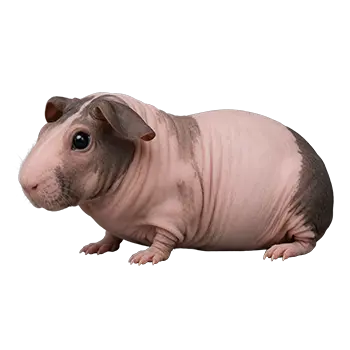
Many experienced owners provide both a bottle and a bowl simultaneously. This ensures that water is always accessible even if one source malfunctions — a clogged sipper tube can go unnoticed for hours, and a tipped bowl leaves no backup. For Baldwins, hydration is especially important because their exposed skin loses moisture more readily than a fur-covered pig's, particularly in heated or air-conditioned environments with low humidity.
Cleaning water containers thoroughly and regularly prevents bacterial growth and biofilm accumulation. Bottles should be disassembled, scrubbed with a bottle brush, and rinsed with hot water every two to three days. The sipper tube and ball bearing are the most common sites for algae and bacterial buildup and need special attention. Bowls should be washed daily. Avoid using soap or detergent residues — a thorough hot water scrub is usually sufficient, and white vinegar can be used for periodic deep cleaning.