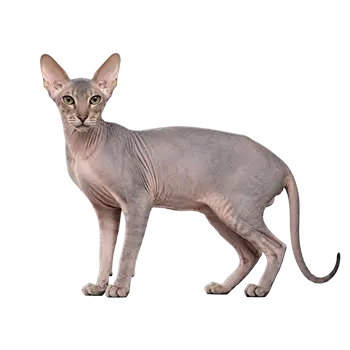

Peterbald cats have a notably higher metabolic rate compared to fully coated breeds. Because they lack a full fur coat, their bodies expend significantly more energy regulating internal temperature, which means they burn through calories faster than the average domestic cat. This elevated metabolism makes calorie-dense, high-quality nutrition a non-negotiable part of their daily care.
Protein should be the foundation of every Peterbald's diet. Look for foods that list a named animal protein — such as chicken, turkey, salmon, or duck — as the first ingredient. A minimum crude protein content of 40 percent on a dry-matter basis is a solid benchmark for this breed. The protein source should be whole or deboned meat rather than vague by-product meals, which can vary widely in nutritional value.
Healthy fats are equally critical. Omega-3 and omega-6 fatty acids support skin health, which is especially important for a cat whose skin is largely exposed to the environment. Without a protective coat, the Peterbald's skin is more susceptible to dryness, irritation, and minor abrasions, making dietary fat a functional component of their health rather than just an energy source.
Carbohydrates should be kept moderate. While cats are obligate carnivores and do not require carbohydrates in large amounts, small quantities of digestible carbs from sources like sweet potato or peas can provide steady energy. Avoid foods that rely heavily on corn, wheat, or soy as fillers, as these offer little nutritional benefit and can contribute to digestive sensitivity in some cats.