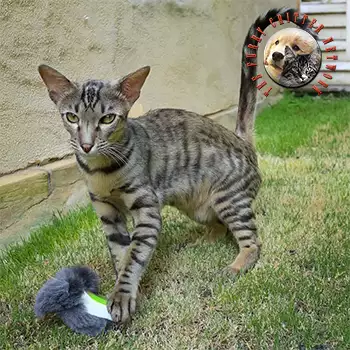

Wearable activity monitors designed for cats attach to the collar and track movement patterns, sleep cycles, and calorie expenditure throughout the day. For an active breed like the Oriental Shorthair, these devices provide a useful baseline of normal activity. A sudden drop in daily activity — measured objectively rather than through casual observation — can be an early indicator of illness, pain, or depression that might otherwise go unnoticed until symptoms become more obvious.
Most pet activity trackers sync to a smartphone app that displays daily, weekly, and monthly trends. Over time, these trend lines paint a detailed picture of your cat's behavioral patterns. You might discover that your Oriental is most active during specific hours, sleeps more on certain days, or shows seasonal variations in energy. This data becomes particularly valuable when discussing concerns with your veterinarian, who can interpret changes in context.
Some advanced monitors also track scratching frequency, litter box visits, and eating duration. Changes in any of these behaviors can signal health issues — increased litter box visits may indicate urinary problems, while decreased eating duration could suggest dental pain or nausea. The more data points the device captures, the more useful the baseline becomes for detecting deviations.
Battery life and device weight are practical considerations for cat-mounted wearables. Orientals are sensitive to anything bulky or heavy on their collar, and a chunky tracker may be met with determined attempts to remove it. Look for lightweight, low-profile designs with extended battery life — weekly or monthly charging is more practical than daily. Waterproof or water-resistant construction is advisable since cats encounter water bowls, sinks, and the occasional bathtub exploration.