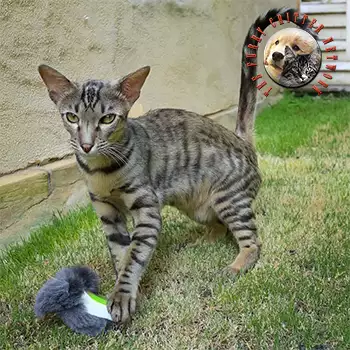

Collars, Harnesses & Leashes

Oriental Shorthairs have slender necks and narrow, wedge-shaped heads, which means a poorly fitted collar can slip off with minimal effort. Breakaway collars are the safest option for indoor cats, as they release under pressure if the collar catches on furniture, branches, or other snag points. Ensure the fit is snug enough that only one or two fingers can slide beneath the collar, but not so tight that it causes discomfort or restricts breathing.

For owners interested in leash walking — and Oriental Shorthairs are among the best candidates for it — a harness is far more secure and comfortable than a collar-and-leash combination. The breed's lean, athletic build fits well into H-style and vest-style harnesses, though you may need to adjust for their relatively narrow chest. A harness that distributes pressure across the chest and shoulders prevents choking and gives the handler better control during outdoor excursions.

Leash training should begin indoors. Let your Oriental wear the harness around the house for short periods, gradually increasing the duration until the cat moves comfortably without resistance. Attach the leash and let the cat lead initially, following its chosen path rather than directing it. Only once the cat is relaxed on-leash indoors should you move to a quiet outdoor area. Orientals are curious and generally take well to outdoor exploration, but sudden noises or unfamiliar animals can trigger a flight response — the harness must be escape-proof before venturing outside.

Reflective or LED-equipped collars add a layer of safety for cats with any outdoor access, even supervised. Low-light visibility is critical during early morning or evening outings. If your Oriental wears a collar indoors for identification purposes, choose a lightweight model with a smooth interior lining to prevent irritation on their fine, close-lying coat.

Grooming Tools

The Oriental Shorthair's grooming needs are modest compared to long-haired breeds, but they are not nonexistent. Their short, fine coat benefits from weekly brushing to remove loose hair, distribute natural skin oils, and reduce the amount of fur deposited on furniture and clothing. A soft rubber grooming mitt or a fine-toothed short-hair brush is ideal — aggressive wire slickers designed for thick coats are unnecessary and can irritate their delicate skin.

Nail trimming should be part of the regular grooming routine, ideally every two to three weeks. Oriental Shorthairs are active climbers and scratchers, but their nails can still grow long enough to snag on fabric or curl uncomfortably if neglected. Guillotine-style or scissor-style clippers both work well. Introduce nail trimming gradually if your cat is not accustomed to it, handling paws gently during calm moments and rewarding cooperation with treats.

Dental care is an often-neglected aspect of feline grooming. Periodontal disease is common in cats and can lead to pain, tooth loss, and systemic health issues. Cat-specific toothbrushes — either finger brushes or small-headed soft brushes — paired with enzymatic toothpaste formulated for cats allow for home dental maintenance. Even a few brushing sessions per week significantly reduce plaque accumulation. Never use human toothpaste, which contains ingredients toxic to cats.

Ear cleaning is occasionally necessary, particularly for Orientals with their large, prominent ears that can accumulate wax and debris. A veterinarian-recommended ear cleaning solution applied to a cotton ball or gauze pad is sufficient for routine maintenance. Never insert cotton swabs into the ear canal, as this risks pushing debris deeper or damaging the eardrum. Healthy ears should appear clean and pale pink, with no foul odor or dark discharge.

Bowls, Feeders & Water Stations

Bowl selection seems trivial until you consider the practical implications. Shallow, wide bowls are preferable for Oriental Shorthairs because they prevent whisker fatigue — the discomfort some cats experience when their sensitive whiskers repeatedly brush against the sides of a deep, narrow bowl. Stainless steel and ceramic bowls are hygienic and easy to clean, while plastic bowls can harbor bacteria in surface scratches and may cause chin acne in sensitive individuals.

Elevated feeding stations position the bowl at a comfortable height, reducing neck strain during meals. This is a small comfort detail that some cats appreciate, particularly older individuals or those with early arthritis. Elevated stands also keep the feeding area tidier by reducing the amount of food that gets pushed out of the bowl and scattered across the floor.

Water fountains are highly recommended for Oriental Shorthairs. Cats are instinctively drawn to moving water, which they associate with freshness and safety. A recirculating fountain encourages more frequent and consistent hydration — a meaningful health benefit for a breed within the Siamese family, which has elevated risk for kidney and urinary tract issues. Fountains with replaceable carbon filters also remove impurities and keep the water tasting fresh between cleanings.

Multiple water stations throughout the home ensure your Oriental always has convenient access to hydration regardless of where it happens to be resting or playing. Cats sometimes avoid drinking near their food bowl, a behavior thought to be an evolutionary holdover from avoiding water contaminated by prey. Placing at least one water source in a separate room from the feeding station accommodates this preference and typically increases overall water intake.

Travel Gear & Carriers

A quality carrier is essential for veterinary visits, travel, and emergency evacuations. Hard-sided carriers with top-loading access are often easier to use with cats, as you can lower the cat in from above rather than trying to push a reluctant feline headfirst through a front door. Oriental Shorthairs are vocal about their displeasure during car rides, and a secure, well-ventilated carrier helps contain the protests while keeping the cat safe.

Carrier size should allow the cat to stand, turn around, and lie down comfortably without excessive extra space. Too-large carriers allow the cat to slide around during vehicle movement, increasing stress and injury risk. For a typical Oriental Shorthair in the six-to-twelve-pound range, a medium-sized carrier is usually appropriate. Line the bottom with a familiar-smelling blanket or towel to provide comfort and absorb any accidents.

Carrier training dramatically reduces travel stress. Leave the carrier out in the home with the door open, placing treats and a comfortable pad inside. Allow your Oriental to explore and nap in the carrier at its own pace until the carrier becomes a familiar, non-threatening space. Cats that only encounter the carrier during stressful veterinary visits develop strong negative associations that make every subsequent trip more difficult.

For longer travel — relocations, flights, or road trips — invest in a carrier that meets airline cabin specifications if you anticipate air travel. Soft-sided carriers that fit under airline seats are available in appropriate sizes for Orientals. Attach identification tags to the carrier and include a copy of your cat's vaccination records. Calming pheromone sprays applied to the carrier bedding twenty to thirty minutes before travel can help reduce anxiety, though effectiveness varies between individuals.

Safety & Identification

Microchipping is the most reliable form of permanent identification for any cat. A microchip — a tiny transponder about the size of a grain of rice — is injected beneath the skin between the shoulder blades during a routine veterinary visit. If your Oriental ever escapes or becomes separated from you, any veterinary clinic or shelter with a universal scanner can read the chip and access your contact information. Keep your microchip registration current whenever you move or change phone numbers.

Collars with ID tags provide a visible, immediate identification method that does not require a scanner. Include your name, phone number, and the word "microchipped" on the tag. Some owners add a second tag with the cat's name and the note "I am an indoor cat — please call" to alert finders that the cat is not a community or feral animal. Breakaway collars are essential to prevent strangulation if the collar catches on an object.

Window and door security deserves specific attention with Oriental Shorthairs. These cats are fast, curious, and will exploit an open door or window in seconds. Window screens should be reinforced or replaced with pet-resistant mesh that can withstand a cat leaning or scratching against it. Screen doors should have secure latches, and exterior doors should be managed with a two-door airlock system — a mudroom, enclosed porch, or baby gate setup that creates a buffer zone between the cat and the outside.

Household hazard-proofing is an ongoing process with a breed this curious and agile. Secure electrical cords with cable covers or cord protectors. Store toxic cleaning products, medications, and small ingestible objects in latched cabinets. Remove or secure poisonous houseplants — lilies, in particular, are fatally toxic to cats even in small amounts. Window blind cords should be tied up or replaced with cordless alternatives to prevent entanglement. Think of cat-proofing as baby-proofing for a creature that can jump six feet vertically and open cabinet doors.

Seasonal & Specialty Gear

Winter brings specific challenges for Oriental Shorthairs due to their thin coat. Cat sweaters and lightweight thermal jackets are not just fashionable — they provide genuine warmth for this cold-sensitive breed. Choose garments made from soft, breathable fabric that fits snugly without restricting movement. Not every cat will tolerate clothing, so introduce it gradually with positive reinforcement. A cat that panics in a sweater should not be forced to wear one.

Paw protection is less of a concern for indoor cats but becomes relevant if your Oriental walks outdoors on treated sidewalks during winter. De-icing chemicals and salt can irritate paw pads and are toxic if ingested during grooming. If your cat walks on treated surfaces, wipe paws with a damp cloth immediately afterward. Paw balm products can help maintain pad moisture and create a light protective barrier.

Summer gear focuses on cooling and sun protection. While Oriental Shorthairs handle heat better than heavily coated breeds, light-colored individuals — particularly whites and creams — can be susceptible to sunburn on their ears and nose. Pet-safe sunscreen applied to thin-furred or pink-skinned areas before sun exposure reduces this risk. Cooling mats that activate under the cat's body weight provide a comfortable retreat during heat waves without requiring electricity or refrigeration.

Scratch-deterrent products protect furniture and surfaces that your cat has designated as scratching targets despite the availability of sanctioned alternatives. Double-sided tape, furniture corner guards, and deterrent sprays made with citrus or bitter apple can redirect scratching behavior toward appropriate surfaces. However, these are management tools, not solutions — ensuring your Oriental has adequate scratching posts and pads in the right locations is always the primary intervention. Cats scratch to stretch, maintain claw health, and mark territory, so simply preventing the behavior without offering alternatives creates more problems than it solves.

Always consult a qualified professional before making any health-related decisions. This content is provided for informational reference only and should not replace professional guidance specific to your animal.