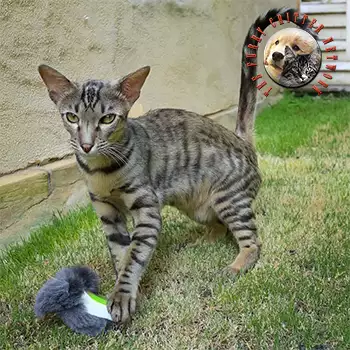

Oriental Shorthairs are lean, muscular cats with a metabolism that runs hotter than many other breeds. Their slender, tubular body type means they burn through calories quickly, especially given their tendency toward near-constant activity. A diet built around high-quality animal protein is essential for maintaining their muscle tone without adding unnecessary body fat. Look for foods where a named animal protein — such as chicken, turkey, or fish — appears as the first ingredient.
Because Orientals are prone to staying slim, underweight can be just as much of a concern as overweight. Monitoring body condition regularly helps you determine whether your cat needs a calorie boost or a slight reduction. Ribs should be easily felt but not prominently visible. A food with moderate fat content, generally in the range of twelve to eighteen percent, provides the sustained energy these cats demand without pushing them toward obesity.
Orientals can be susceptible to certain cardiac conditions, including dilated cardiomyopathy, which has nutritional links. Ensuring adequate taurine levels in their diet is critical, as taurine deficiency is a known contributor to heart problems in cats. Most commercial cat foods are supplemented with taurine, but it is worth verifying on the guaranteed analysis panel. Omega-3 fatty acids from marine sources also support cardiovascular health and help keep their fine, close-lying coat in excellent condition.
Hydration is another important consideration. Orientals, like all cats, evolved as desert animals and may not drink enough water on their own. Incorporating wet food into the rotation or offering broth-based meal toppers can significantly improve daily fluid intake. Chronic low-grade dehydration contributes to urinary tract issues and kidney stress over time, both of which are concerns in the broader Siamese family of breeds.