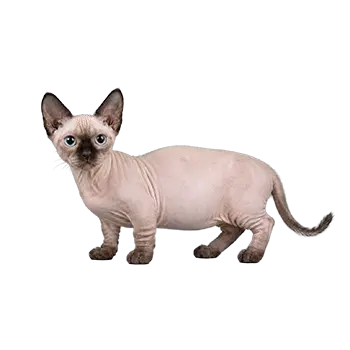

Harnesses, Collars & Leashes

Traditional collars can irritate a Minskin's exposed skin, so a well-fitted harness is generally the better choice for any situation requiring restraint or identification. Look for harnesses made from soft, breathable materials with flat seams that won't chafe bare skin. Vest-style designs that distribute pressure across the chest and shoulders are more comfortable and more escape-proof than strap-only models, which a small, flexible cat can wriggle out of surprisingly easily.

Sizing is critical for a breed this small. Most cat harnesses are designed for animals in the eight-to-twelve-pound range, which means a three-to-six-pound Minskin may swim in a standard small. Measure your cat's chest circumference just behind the front legs and compare it against the manufacturer's size chart — don't guess based on the size label alone. An adjustable harness with multiple points of tightening gives you the best chance of a secure, comfortable fit.

If you prefer a collar for ID purposes, choose a breakaway design that releases under pressure if the cat snags it on furniture or fencing. Line the interior with a soft fabric sleeve or moleskin strip to protect the neck from friction. Keep the collar loose enough to slide two fingers underneath but tight enough that it can't slip over the head. Check the fit weekly, as collars can shift on a cat without a thick fur buffer.

Leash training a Minskin is entirely feasible — they're intelligent and adaptable — but start indoors with short sessions before moving outside. Use a lightweight leash that doesn't add drag or weight the cat has to fight against. Retractable leashes are generally a poor fit for cats because the constant tension and sudden stops can startle them. A simple four-to-six-foot nylon or cotton leash gives you enough control without overwhelming a small animal.

Grooming Tools

Grooming a Minskin looks different from grooming a fully coated cat. The primary task is skin care rather than fur management. A soft, damp microfiber cloth wiped gently over the body removes the natural oils that accumulate on exposed skin. Without a full coat to absorb these oils, Minskins can develop a greasy feel and even mild acne if their skin isn't cleaned regularly — typically once or twice a week, though individual cats vary.

Bathing is occasionally necessary when wipe-downs aren't sufficient. Use a gentle, fragrance-free pet shampoo or a hypoallergenic formula designed for sensitive skin. Water temperature should be comfortably warm, never hot, and the entire process should be kept brief and calm. Rinse thoroughly — soap residue on bare skin causes irritation faster than it would on a coated cat — and towel-dry immediately to prevent chilling.

Ear cleaning is more important in semi-hairless breeds because the ear canals lack the fur that helps filter debris in coated cats. Use a veterinarian-recommended ear cleaning solution and a soft cotton pad to gently wipe the visible portions of the ear canal every one to two weeks. Cotton swabs should never be inserted into the ear canal itself, as they can cause injury and push debris deeper.

Nail trimming rounds out the grooming routine. Minskins' nails grow at the same rate as any cat's, but they're more visible against bare paw pads, which makes overgrowth easier to spot. Trim every two to three weeks with a sharp, cat-specific clipper. Guillotine-style and scissor-style clippers both work well — the best one is whichever your cat tolerates most calmly. Keep styptic powder on hand in case you nick the quick.

Bowls & Feeders

Shallow, wide bowls are the best fit for most Minskins. Cats in general prefer eating surfaces that don't press against their whiskers — a sensitivity called whisker fatigue — and flat or gently curved dishes let them eat comfortably without contorting their posture. For a small cat, a saucer-style bowl or a shallow oval dish keeps food accessible without forcing the cat to reach awkwardly into a deep vessel.

Material matters for hygiene and durability. Stainless steel and ceramic are the easiest to sanitize and the least likely to harbor bacteria in scratches or pores. Plastic bowls can develop micro-abrasions over time that trap bacteria and potentially cause feline chin acne — a concern that's amplified in a breed with exposed facial skin. If you do use plastic, replace it at the first sign of scratching or discoloration.

Water fountains encourage hydration far more effectively than still water bowls. The movement and aeration appeal to a cat's instinct to seek running water, and many cats — Minskins included — will drink significantly more from a fountain than from a standing bowl. Choose a fountain with a quiet pump, easily replaceable filters, and components that disassemble for thorough cleaning. Stainless steel or ceramic models are preferable to plastic for the same hygiene reasons that apply to food bowls.

Elevated feeders bring the food and water to a more natural eating height, reducing neck strain during meals. This is a small comfort that adds up over a lifetime of twice-daily feeding. A feeder raised two to four inches off the floor suits the Minskin's compact frame. Non-slip bases or weighted designs prevent the bowl from sliding across the floor during enthusiastic eating.

Travel Gear

Beyond the carrier itself, several accessories make travel safer and less stressful for a Minskin. A portable litter box — collapsible silicone or disposable cardboard — ensures your cat has access to a familiar toilet setup in hotel rooms, at relatives' homes, or during long car trips. Bring a small bag of your cat's regular litter to maintain scent consistency, which reduces the likelihood of accidents in unfamiliar environments.

Travel water bottles with attached bowls keep your Minskin hydrated on the road. Cats are less likely to drink from an unfamiliar water source, so carrying water from home for the first day of travel can ease the transition. Collapsible silicone bowls pack flat and weigh almost nothing, making them practical additions to any travel kit.

A lightweight blanket or fleece from home serves multiple purposes during travel. Draped over the carrier, it reduces visual stimulation and creates a den-like environment that calms anxious cats. Placed inside the carrier, it provides familiar scent and insulation. At the destination, it gives your Minskin a piece of home territory to anchor to while adjusting to new surroundings.

For car travel specifically, secure the carrier with a seatbelt or place it on the floor behind the front seat where it can't slide or tip. Never leave a Minskin unattended in a parked car, even briefly — their limited coat offers no buffer against temperature swings, and a car interior can reach dangerous temperatures in minutes during warm weather or drop rapidly in cold conditions.

Safety & ID

Microchipping is the single most reliable form of permanent identification for any cat, and it's especially important for a small, distinctive breed like the Minskin. Collars and tags can be lost, but a microchip implanted between the shoulder blades stays with the cat for life. Register the chip with your current contact information and update it whenever you move or change phone numbers — a chip with outdated data is almost as useless as no chip at all.

ID tags should display your phone number and the cat's name at minimum. Some owners also include a note that the cat is an indoor-only pet, which signals to anyone who finds the cat that it's lost rather than roaming intentionally. Lightweight, flat-profile tags are less likely to irritate a Minskin's neck than bulky dangling designs. Slide-on tags that attach directly to the collar sit flat against the body and eliminate jingling noise.

Window and door security is a critical but often overlooked safety investment. Minskins are curious and agile enough to exploit gaps in screens, partially open windows, and doors left ajar. Secure window screens with reinforced mesh or screen guards, and consider installing screen doors with pet-proof material on exterior exits. Childproof locks on sliding windows add an extra layer of protection.

First-aid preparedness rounds out a comprehensive safety plan. Assemble a small pet first-aid kit containing gauze, adhesive wrap, antiseptic solution, styptic powder, a digital thermometer, and your veterinarian's emergency contact number. Minskins' exposed skin makes them more prone to minor cuts, scrapes, and contact irritation than coated cats, so having basic wound care supplies on hand saves time during those inevitable small incidents.

Seasonal & Clothing Gear

Cat clothing is functional rather than decorative for a Minskin. In cooler months, a well-fitted sweater or fleece shirt provides a layer of insulation that their sparse coat cannot. The garment should cover the torso without restricting leg movement, and it should fasten securely enough that the cat can't pull it off and become entangled. Velcro closures or snap buttons along the back are easier to manage than pull-over designs.

Fabric choice is important for skin health. Soft cotton, bamboo jersey, or fleece in close weave work best — they trap warmth without irritating sensitive skin. Avoid rough knits, wool, and synthetic fabrics that generate static or cause itching. Wash cat clothing in fragrance-free, hypoallergenic detergent and rinse thoroughly before first use, as dyes and sizing chemicals in new garments can cause contact dermatitis on exposed skin.

Not every Minskin tolerates clothing, and forcing the issue causes more stress than the warmth is worth. Introduce garments gradually — start with a loose, lightweight shirt for a few minutes at a time, paired with treats and praise. If your cat freezes, flattens to the floor, or frantically tries to remove the garment after several attempts over a week, respect that boundary and rely on heated beds and warm rooms instead.

Sunscreen is the seasonal essential that many cat owners overlook. During summer, any sun-exposed skin — ears, nose, belly, and back — is vulnerable to UV damage. Use a pet-safe, fragrance-free sunscreen rated for sensitive skin, applied in a thin layer before any outdoor time. Reapply after two hours if the cat is still outdoors. Human sunscreens often contain zinc oxide or salicylates, which are toxic to cats if ingested through grooming, so a veterinary-formulated product is non-negotiable.

Always consult a qualified professional before making any health-related decisions. This content is provided for informational reference only and should not replace professional guidance specific to your animal.