
Nutritional Needs

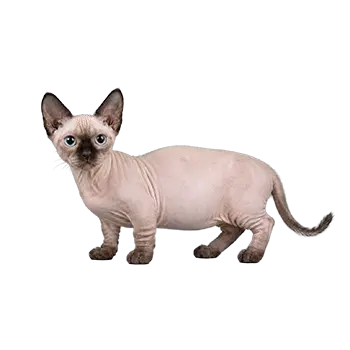
The Minskin is a small but metabolically active breed that burns calories at a higher rate than many fully coated cats. Their sparse-to-hairless bodies work harder to regulate temperature, which means they need a diet that delivers dense, high-quality nutrition in relatively modest portions. Protein should form the foundation of every meal, with animal-sourced ingredients listed first on any label you consider.

Because of their unique coat — ranging from nearly bare skin to short fur points on the extremities — Minskins benefit from diets rich in omega-3 and omega-6 fatty acids. These essential fats support skin elasticity, reduce dryness, and help maintain the fine fur they do carry. Look for formulas that include fish oil, flaxseed, or similar lipid sources as prominent ingredients rather than afterthoughts.

Caloric density matters more for the Minskin than for many breeds. A three-to-six-pound cat that's constantly thermoregulating can lose condition quickly on a low-calorie maintenance diet. Work with your veterinarian to establish a target calorie range, and weigh your cat regularly to catch any drift before it becomes a problem. Small cats can fluctuate by a meaningful percentage of body weight without it being visually obvious.

Hydration is another pillar of Minskin nutrition. Cats in general are prone to chronic low-grade dehydration, and hairless or semi-hairless breeds with exposed skin can lose moisture more readily through transepidermal water loss. Wet food, bone broth toppers, and water fountains all help keep fluid intake where it should be.

What to Look For

Start with the ingredient panel, not the marketing copy. The first two or three ingredients should be named animal proteins — chicken, turkey, salmon, or similar — rather than vague terms like "meat meal" or "animal by-products." Cats are obligate carnivores, and the Minskin's higher caloric demands make protein quality even more important than usual.

Fat content should sit in the moderate-to-high range for this breed. A formula designed for active or indoor-active cats often hits the right caloric density without resorting to excessive carbohydrate fillers. Avoid foods that rely heavily on corn, wheat, or soy as primary ingredients; these contribute bulk but relatively little nutritional value for a feline digestive system.

Skin-support ingredients are worth seeking out deliberately. Beyond omega fatty acids, look for foods fortified with vitamin E, biotin, and zinc — all of which play roles in maintaining the skin barrier. For a breed that exposes more skin to the environment than most cats, these micronutrients are functional, not cosmetic.

Finally, consider the kibble or pâté texture in the context of your Minskin's dental structure. Some small breeds have slightly crowded dentition, and a food that's easy to chew and swallow reduces the risk of dental complications over time. If your cat consistently leaves half-chewed pieces in the bowl, the size or hardness of the food may need adjustment.

Recommended Dry Food

Dry food works well as part of a Minskin's diet when you choose a formula with high protein density and small kibble size. Look for products marketed for small or toy breeds within the cat food category — these tend to have appropriately sized pieces and calorie profiles that match a compact, active body.

Grain-free options are popular but not universally necessary. What matters more is that any grain present is a whole grain used in moderation, not a cheap filler dominating the recipe. Some grain-inclusive formulas with brown rice or oats provide useful fiber for digestive regularity without displacing protein. Let your cat's digestion and your veterinarian's guidance drive that decision.

High-calorie performance or kitten formulas can be useful for Minskins that struggle to maintain weight, particularly in cooler environments. These formulas pack more energy per cup, reducing the volume your cat needs to eat while still meeting caloric targets. Monitor body condition closely when using these, as it's equally easy to overshoot in the other direction.

Store dry food in an airtight container away from heat and light. Fats in premium cat food oxidize quickly once the bag is opened, and rancid fats lose their nutritional value while becoming less palatable. Buying smaller bags more frequently is often a better strategy than bulk purchasing for a single small cat.

Wet & Fresh Options

Wet food is arguably the single best dietary addition for a Minskin. The moisture content — typically seventy to eighty percent — directly addresses the hydration concerns that come with a semi-hairless breed. Many owners use wet food as the primary diet, supplemented by dry kibble for dental texture and convenience.

Pâté-style formulas generally offer higher protein density per serving than chunks-in-gravy varieties, which can pad their weight with thickeners and water. That said, some Minskins strongly prefer the gravy styles, and a food your cat actually eats is always better than a theoretically perfect one sitting untouched. Try several textures during the introductory period and let your cat's enthusiasm guide you.

Fresh and refrigerated cat food lines have expanded significantly and can be excellent choices for Minskins. These products undergo minimal processing, which preserves more of the bioavailable nutrients in the ingredients. The tradeoff is shorter shelf life and higher cost per serving, so they work best as a rotational option or for owners willing to commit to the logistics.

When transitioning to a new wet food, do so gradually over seven to ten days, mixing increasing proportions of the new food with the old. Minskins can have sensitive stomachs, and abrupt dietary changes may cause digestive upset that discourages the cat from accepting the new food at all.

Treats & Supplements

Treats should complement the diet, not undermine it. For a cat that weighs three to six pounds, even a few high-calorie treats per day can represent a significant percentage of total intake. Choose treats with recognizable protein ingredients and keep them to no more than ten percent of daily calories.

Freeze-dried single-protein treats — chicken, fish, or liver — are excellent options for Minskins. They're high in protein, low in fillers, and most cats find them irresistible. They also double as training rewards for Minskins, who are intelligent and food-motivated enough to learn tricks and recall commands.

Skin and coat supplements formulated for cats can be worthwhile for this breed. Fish oil capsules designed for felines, or pump-style omega supplements that mix into food, provide a concentrated source of the fatty acids that keep exposed skin supple and healthy. Start with the lowest recommended dose and increase only if your veterinarian advises it, as excess oil can cause loose stools.

Probiotic supplements are another category worth discussing with your vet. A healthy gut microbiome supports nutrient absorption, immune function, and skin health — all priorities for the Minskin. Powdered probiotics that mix into wet food are the easiest delivery method for most cats.

Foods to Avoid

The standard list of toxic foods applies to Minskins as it does to all cats: onions, garlic, chocolate, grapes, raisins, alcohol, caffeine, and xylitol are all dangerous and potentially fatal. Keep these out of reach entirely, and educate household members about the risks, especially with foods like garlic that can appear in unexpected places such as butter or seasoning blends.

Raw diets are a topic of ongoing debate, but they carry particular risks for Minskins. Their exposed skin makes them more susceptible to bacterial contamination from handling raw meat, and any pathogen that colonizes the skin can lead to dermatitis or infection. If you're committed to raw feeding, work with a veterinary nutritionist to ensure the diet is balanced and follow strict food-safety protocols.

Dairy products are poorly tolerated by most adult cats, who lack sufficient lactase to digest lactose. Milk, cheese, and cream can cause diarrhea and bloating. Small amounts of plain, unsweetened yogurt are sometimes tolerated, but this is the exception rather than the rule.

Avoid foods with artificial colors, flavors, or preservatives like BHA, BHT, and ethoxyquin. While regulatory agencies permit these additives in pet food, cleaner formulas are widely available and eliminate any uncertainty about long-term effects. For a breed with sensitive skin, reducing unnecessary chemical exposure through the diet is a reasonable precaution.

Feeding Schedule

Most adult Minskins do well on two to three measured meals per day rather than free-feeding. Their small size makes portion control critical — it's very easy for a six-pound cat to become a seven-pound cat without anyone noticing until the veterinarian flags it. Measured meals also let you monitor appetite, which is one of the earliest indicators of health changes in cats.

Kittens and young Minskins under twelve months should eat three to four times daily to support growth and their even-higher metabolic rate. Use a kitten-specific formula during this stage, as adult maintenance food won't deliver the protein and calorie density a growing Minskin needs.

If your household schedule makes midday feeding difficult, a timed automatic feeder can bridge the gap. Choose one that accommodates wet food if that's part of the rotation, and make sure it seals well enough to prevent spoilage. Dry-food-only feeders are simpler but limit your options.

Weigh your cat every two to four weeks on a kitchen scale or infant scale for accuracy. Track the numbers over time rather than relying on visual assessment, which is unreliable in small cats. If weight trends upward or downward by more than five percent, adjust portions accordingly and consult your veterinarian if the trend doesn't stabilize.

Always consult a qualified professional before making any health-related decisions. This content is provided for informational reference only and should not replace professional guidance specific to your animal.