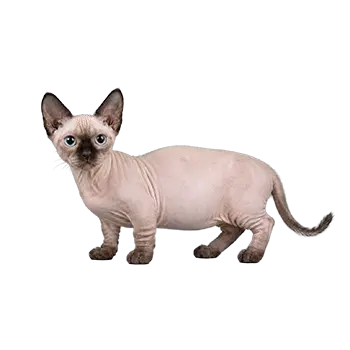

Space Requirements

Minskins are small cats, but they're far from sedentary. Their playful, curious nature means they use vertical and horizontal space actively throughout the day. A Minskin doesn't need a sprawling home, but it does need a thoughtfully arranged one — climbing opportunities, perching spots near windows, and warm corners for resting are all essential components of a well-designed space.

Vertical territory matters as much as floor space. Cat trees, wall-mounted shelves, and window perches give Minskins the elevated vantage points they instinctively seek. Position at least one perch near a heat source or in a sun-catching window, since these cats gravitate toward warmth constantly. A tall cat tree with enclosed cubbies at several heights satisfies both climbing and nesting instincts simultaneously.

Dedicate at least one quiet zone in the home where your Minskin can retreat when it needs downtime. Even the most social cats benefit from a space that feels protected and private. A covered bed tucked into a low-traffic corner or a shelf unit with a cozy insert works well. Avoid placing the retreat area near noisy appliances like washing machines or dishwashers.

If you live in a smaller apartment, maximize the vertical dimension. Floor space limitations matter less to cats than to dogs, and a studio apartment with three levels of wall shelving and a solid cat tree can feel spacious to a Minskin. The key is variety — multiple resting options at different heights and temperatures give the cat the environmental control it needs to stay comfortable.

Carriers & Travel Crates

A well-chosen carrier is essential for veterinary visits, travel, and emergencies. For a Minskin, size the carrier to allow standing, turning, and lying down comfortably without being so large that the cat slides around during transport. A carrier rated for cats up to eight or ten pounds typically provides the right fit with a margin for bedding.

Hard-sided carriers with top-loading doors are often the best choice for veterinary visits. They allow your vet to examine the cat without dragging it through a front opening, which reduces stress for everyone involved. Look for models with both front and top access so you have options depending on the situation.

Soft-sided carriers work well for air travel and short trips where a lighter, more flexible option is practical. Choose one with mesh ventilation panels on multiple sides — Minskins can overheat in poorly ventilated carriers just as easily as they can get cold in drafty ones. Airline-approved dimensions vary by carrier, so verify measurements against your specific airline's requirements before purchasing.

Line any carrier with a familiar blanket or fleece pad. The scent of home reduces anxiety during transport, and the padding provides insulation against cold surfaces. In winter, a self-warming pad or a microwavable heat disc placed beneath the bedding keeps your Minskin comfortable during car rides. Avoid electric heating pads in carriers, as they pose a safety risk in unattended or enclosed spaces.

Beds & Sleeping Areas

Minskins are heat seekers by nature, and their bedding choices should reflect that. Enclosed beds — hooded domes, cave-style designs, and covered cubbies — trap body heat and create a microclimate that semi-hairless cats find irresistible. A bed with a plush, high-loft interior retains warmth better than flat pads, and many Minskins will choose a hooded bed over an open one every time.

Self-warming beds that use reflective thermal layers to bounce body heat back to the cat are an excellent low-maintenance option. They don't require electricity, making them safe for unsupervised use in any room. Place them in the spots your cat already gravitates toward — on furniture near a window, inside a cat tree cubby, or on a shelf at the cat's preferred height.

Heated pet beds with low-wattage elements are worth considering for homes in colder climates or during winter months. Look for models with chew-resistant cords, auto-shutoff features, and washable covers. The surface temperature should hover around the cat's body temperature — roughly one hundred to one hundred two degrees Fahrenheit — without exceeding it. Cats can't always sense gradual overheating, so thermostat controls are a non-negotiable safety feature.

Provide multiple sleeping options throughout the home rather than relying on a single bed. Minskins rotate resting spots based on time of day, sun position, and household activity patterns. Three or four beds distributed across the living space cost less than you might expect and dramatically improve your cat's comfort and sense of territorial security.

Outdoor Enclosures

Minskins should never roam outdoors unsupervised. Their sparse coat offers virtually no protection against sunburn, temperature extremes, or abrasion from rough surfaces, and their small size makes them vulnerable to predators. However, supervised outdoor access through a secure enclosure — commonly called a catio — can enrich their lives significantly.

A catio attached to a window or door gives your Minskin fresh air, natural light, and environmental stimulation without the risks of free roaming. Enclosed designs with mesh or wire panels on all sides and a solid roof protect against escape, predators, and direct sun exposure. Include shaded areas within the enclosure so the cat can regulate its sun exposure independently.

Portable outdoor enclosures and cat tents offer a lighter-weight alternative for occasional use. These pop-up structures let you bring your Minskin onto a patio or into a garden under supervision. They're not secure enough for unattended use, but they work well for owners who want to share outdoor time with their cat without building a permanent structure.

Regardless of the enclosure type, limit outdoor time during temperature extremes. Minskins can sunburn in as little as fifteen to twenty minutes of direct summer sun, and they chill rapidly when temperatures drop below sixty degrees Fahrenheit. Apply pet-safe sunscreen to exposed skin during warm-weather outings, and bring the cat inside at the first sign of shivering or discomfort in cooler conditions.

Climate Considerations

Temperature management is arguably the most important housing consideration for any semi-hairless breed. Minskins are comfortable in the same temperature range most humans prefer — roughly sixty-eight to seventy-eight degrees Fahrenheit — but they feel the effects of drafts, air conditioning, and seasonal swings more acutely than coated cats. Maintaining a stable indoor temperature is the simplest way to keep your Minskin healthy and comfortable year-round.

In winter, supplement ambient heating with localized warming options. Heated beds, microwavable heat pads, and even warm water bottles wrapped in towels give your Minskin concentrated heat sources to curl up against. Position beds away from exterior walls and windows, where cold air infiltration is strongest, unless the windows receive direct sunlight during the day.

Summer presents the opposite challenge. Air conditioning is beneficial but can create cold zones that a Minskin may avoid, leading the cat to seek out warmer spots that may be too warm. Ceiling fans and gentle cross-ventilation help moderate temperatures without creating the sharp cold pockets that central air can produce. Ensure your cat always has access to a room that sits in the comfortable middle range.

Humidity also matters for exposed skin. Very dry air — common in heated homes during winter — can cause flaking, irritation, and cracking on a Minskin's skin. A room humidifier set to forty to fifty percent relative humidity benefits both the cat and the humans in the household. Place it out of the cat's reach to prevent tipping, and clean it regularly to avoid mold or bacterial buildup.

Multi-Pet Households

Minskins are exceptionally social cats that generally thrive in multi-pet homes. They tend to get along well with other cats, cat-friendly dogs, and even smaller animals when introductions are handled properly. Their affectionate, non-aggressive temperament makes them good candidates for households that already have resident pets.

The main concern in a multi-pet environment is ensuring the Minskin has secure access to warm resting spots that can't be monopolized by larger or more assertive animals. Elevated beds, enclosed cubbies, and heated pads should be available in locations where the Minskin feels safe. If a larger cat or dog routinely displaces your Minskin from its preferred sleeping spot, add duplicate resources in a room the Minskin can access but the other pet cannot — a microchip-activated pet door to a dedicated room is one effective solution.

Resource competition extends beyond beds. Provide separate feeding stations, multiple litter boxes following the one-per-cat-plus-one guideline, and enough scratching posts and perches that no animal has to compete for essentials. Minskins are not confrontational by nature, and they may quietly withdraw from contested resources rather than assert themselves, which can lead to stress, under-eating, or litter box avoidance.

Watch for rough play that could injure exposed skin. A Minskin wrestling with a fully coated cat is at a disadvantage — claws and teeth that would glance off fur can scratch or puncture bare skin easily. Supervise play sessions during the early weeks of any new pet introduction, and trim the nails of all cats in the household regularly to minimize accidental injury.

Always consult a qualified professional before making any health-related decisions. This content is provided for informational reference only and should not replace professional guidance specific to your animal.