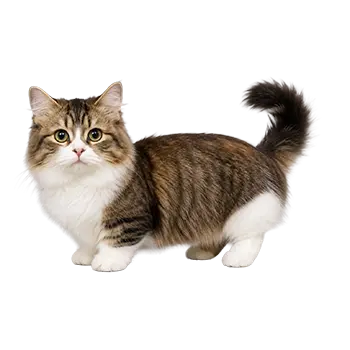

Wearable activity monitors designed for cats attach to the collar and track movement patterns, rest cycles, and overall activity levels throughout the day. For the Kinkalow, these devices provide valuable baseline data that can help you detect changes in behavior before they become visible to the naked eye. A sudden drop in activity or a significant change in sleep patterns may indicate pain, illness, or stress that warrants veterinary attention.
Most cat activity monitors sync with a smartphone app that displays daily and weekly trends in graphical format. Look for devices that differentiate between active play, casual movement, and rest rather than simply counting steps. Cats do not move the way dogs do, and a device calibrated for feline movement patterns will produce more meaningful data than a generic pet tracker repurposed from a canine model.
Weight monitoring is particularly important for the Kinkalow given the breed's small size and susceptibility to weight-related joint stress. Some smart scales designed for pets can identify individual animals in a multi-pet household and log weight automatically over time. These devices sit under or replace the food bowl and take readings during meals, removing the need to manually weigh the cat on a separate scale.
When evaluating any health monitoring device, consider battery life, water resistance, and the weight of the unit itself. A monitor that weighs more than a few grams becomes a burden on a small cat's collar and may cause irritation or reluctance to wear it. Rechargeable models are more economical over time than those requiring frequent battery replacements.