
Nutritional Needs

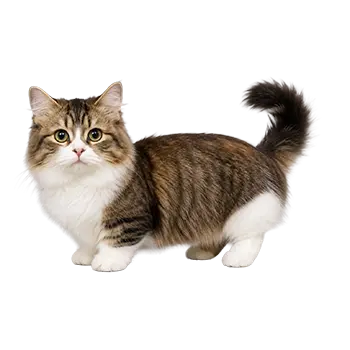
The Kinkalow is a small, active cat with a compact body carried on short legs. Because of their diminutive frame, they have a relatively fast metabolism and require a nutrient-dense diet that delivers concentrated energy without excessive volume. Overfeeding is a genuine risk with this breed, as even a small amount of excess weight can place disproportionate strain on their shortened limbs and lower spine.

Protein should be the foundation of the Kinkalow's diet. As obligate carnivores, cats rely on animal-based proteins for essential amino acids like taurine and arginine that they cannot synthesize on their own. Look for foods where a named animal protein appears as the first ingredient, and aim for a minimum crude protein content of around 35 to 40 percent on a dry matter basis.

Fat is the next critical macronutrient, providing essential fatty acids that support coat quality, brain function, and energy. A moderate fat content of roughly 15 to 20 percent on a dry matter basis is appropriate for most Kinkalows. Omega-3 and omega-6 fatty acids are particularly beneficial for maintaining the breed's plush coat and supporting joint health, which is especially important given the structural characteristics inherited from the Munchkin side of their lineage.

Carbohydrates should play a minimal role in the Kinkalow's diet. Cats have limited ability to process starches, and excessive carbohydrate intake can contribute to weight gain and blood sugar fluctuations. Some carbohydrate content is unavoidable in commercial foods, but it should come from digestible sources like sweet potato or peas rather than cheap fillers like corn or wheat gluten.

What to Look For

When evaluating food labels for your Kinkalow, the ingredient list and guaranteed analysis are your two most important tools. The ingredient list is ordered by weight, so the first several items tell you what makes up the bulk of the food. Prioritize products where at least two of the first five ingredients are named animal proteins such as chicken, turkey, salmon, or duck. Avoid vague terms like "meat meal" or "animal by-products" that obscure the actual source.

The guaranteed analysis provides minimum and maximum percentages for protein, fat, fiber, and moisture. These values let you compare products on a dry matter basis once you account for moisture content. Wet foods may appear lower in protein at a glance, but when you remove the water content from the equation, many are actually more protein-rich than dry kibble.

Avoid artificial preservatives like BHA, BHT, and ethoxyquin, as well as artificial colors and flavors. These additives provide no nutritional benefit and may pose long-term health concerns. Instead, look for foods preserved naturally with mixed tocopherols or rosemary extract. Similarly, steer clear of products that rely heavily on by-product meals, rendered fats from unnamed sources, or added sugars.

Consider the life stage designation on the packaging. Kinkalow kittens need food formulated for growth, which contains higher protein and calorie density. Adult Kinkalows do well on maintenance formulas, while senior cats may benefit from foods with added joint support and slightly reduced calorie content.

Recommended Dry Food

Dry kibble offers convenience, shelf stability, and dental benefits through gentle abrasion as the cat chews. For the Kinkalow, choose a small-kibble formula designed for small or toy breeds, as their compact jaws may struggle with larger pieces. A high-protein, grain-free or limited-ingredient formula is generally a strong choice, though some Kinkalows tolerate whole grains like brown rice without issue.

Look for dry foods that include a named animal protein as the first ingredient, followed by additional protein sources or wholesome carbohydrates. A crude protein content of at least 36 percent on a dry matter basis is a reasonable target. The inclusion of added probiotics or prebiotic fiber can support digestive health, which is worthwhile for any breed.

Portion control is critical with dry food because it is calorie-dense. Free-feeding, where kibble is left out all day, often leads to overeating in Kinkalows. Measured meals served two to three times daily give you much better control over caloric intake. Use a kitchen scale or precise measuring cup rather than eyeballing portions, as even small overestimates accumulate over time.

Store dry food in an airtight container away from heat and sunlight to preserve nutritional integrity and prevent fat oxidation. Once a bag is opened, try to use it within four to six weeks. If you buy in bulk to save cost, consider portioning it into smaller sealed containers at the time of purchase.

Wet & Fresh Options

Wet food is an excellent dietary component for Kinkalows because of its high moisture content, which supports urinary tract health and kidney function. Many cats, including Kinkalows, are naturally poor water drinkers, so incorporating wet food into their routine is one of the simplest ways to improve overall hydration. Pâté, shredded, and minced textures are all well-accepted by most Kinkalows.

Fresh and refrigerated cat foods have gained popularity as a middle ground between commercial wet food and home-prepared diets. These products are typically gently cooked or raw, minimally processed, and free of artificial preservatives. They tend to feature short, recognizable ingredient lists and higher protein content than many conventional options. The trade-off is cost and shelf life, so they work best as a regular rotation item rather than the sole diet unless your budget allows.

If you choose to prepare homemade meals, proceed with caution. Cats have specific nutritional requirements that are difficult to meet without careful formulation. Homemade diets must include appropriate supplementation of taurine, calcium, and other micronutrients that are naturally present in commercial foods but absent from plain cooked meat. Consult a veterinary nutritionist before committing to this path.

When mixing wet and dry food, adjust portions of each to maintain appropriate total calorie intake. A common approach is to offer wet food at one meal and dry at another, or to use wet food as a topper on kibble. Either method works well as long as you track the combined caloric value.

Treats & Supplements

Treats serve a valuable role in training, bonding, and enrichment, but they should not exceed 10 percent of the Kinkalow's daily caloric intake. Choose treats made from single-ingredient proteins like freeze-dried chicken, salmon, or shrimp. These options are high in protein, low in carbohydrates, and free of unnecessary fillers and additives.

Joint supplements containing glucosamine and chondroitin are worth considering for the Kinkalow, given the breed's short-legged structure and the potential for added stress on the lower spine and joints over time. These supplements are available as standalone chews, powders, or as ingredients already incorporated into some premium cat foods. Omega-3 fatty acid supplements derived from fish oil can complement joint support while also benefiting coat and skin health.

Probiotic supplements can be helpful for Kinkalows with sensitive stomachs or those transitioning between foods. They support a healthy gut microbiome and may reduce issues like intermittent soft stools or gas. Probiotic powders designed for cats can be sprinkled directly onto food.

Avoid treat products that contain garlic, onion powder, excessive salt, or artificial sweeteners like xylitol, all of which are toxic or harmful to cats. Dental treats marketed for tartar control can be useful but should be appropriately sized for the Kinkalow's small mouth. Always review the calorie content per treat so you can factor them into the daily feeding plan.

Foods to Avoid

Several common human foods are toxic to cats and should never be offered to your Kinkalow. Onions, garlic, leeks, and chives in any form can cause oxidative damage to red blood cells, leading to anemia. Grapes and raisins are associated with kidney damage, and chocolate contains theobromine, which cats metabolize very slowly and which can cause cardiac and neurological symptoms even in small amounts.

Raw eggs, raw fish, and raw meat carry the risk of bacterial contamination from salmonella or E. coli, which can affect both the cat and the humans in the household. While some owners pursue raw feeding philosophies, this approach requires strict sourcing, handling, and supplementation protocols that go well beyond simply offering uncooked meat from the grocery store.

Dairy products are poorly tolerated by most adult cats, including Kinkalows. After weaning, cats produce very little lactase, the enzyme needed to digest lactose. Milk, cream, and cheese can cause digestive upset including diarrhea and bloating. If you want to offer a dairy-like treat, look for lactose-free cat milk products designed specifically for felines.

Bones, whether cooked or raw, present choking and splintering hazards. Cooked bones are especially dangerous because they become brittle and can fracture into sharp fragments that damage the mouth, throat, or digestive tract. Avoid giving your Kinkalow any bone from poultry, fish, or red meat.

Feeding Schedule

Kinkalow kittens under six months old should be fed three to four small meals per day to support their rapid growth and high energy demands. As they approach six months, you can transition to three meals daily, and by one year of age, most Kinkalows do well on two measured meals per day. Consistent meal timing helps regulate digestion and makes it easier to monitor appetite changes that could signal health issues.

For adult Kinkalows, a twice-daily feeding schedule is the most practical approach. Serve meals at roughly 12-hour intervals, adjusting portion sizes based on your cat's weight, activity level, and body condition. A typical adult Kinkalow in the five to six pound range may require approximately 200 to 250 calories per day, though individual needs vary. Your veterinarian can help you determine the right caloric target.

Weight monitoring should be a regular practice. Because the Kinkalow is so small, even a half-pound gain represents a significant percentage increase in body weight. Use a baby scale or small pet scale to track weight monthly, and adjust food portions accordingly. You should be able to feel your cat's ribs without pressing hard, and they should have a visible waist when viewed from above.

If your Kinkalow tends to eat too quickly, consider using a slow-feeder bowl or food puzzle to extend mealtime and improve digestion. Rapid eating can cause vomiting and reduces the sense of satiation, leading to persistent begging between meals. Slow feeders also provide mental stimulation, which complements the breed's naturally curious and playful personality.

Always consult a qualified professional before making any health-related decisions. This content is provided for informational reference only and should not replace professional guidance specific to your animal.