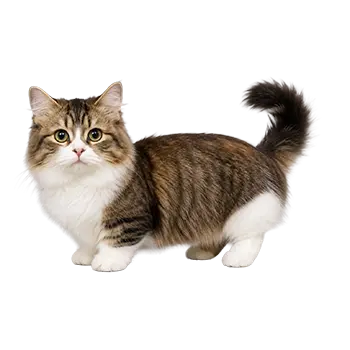

The Kinkalow is a small cat, but that does not mean it thrives in a small space. This breed is curious, energetic, and socially engaged, so it benefits from an environment that offers room to explore, play, and retreat. A single-room apartment can work well for a Kinkalow provided the vertical and horizontal space is thoughtfully arranged with climbing structures, hiding spots, and clear sightlines to household activity.
Because Kinkalows have short legs, their spatial needs differ slightly from those of longer-legged breeds. They are capable climbers but cannot make the same leaping distances, so environmental design should emphasize graduated access points. Ramps, staggered shelves, and low-entry platforms allow the Kinkalow to reach elevated areas without risky jumps that could stress their joints or spine.
Dedicate at least one quiet zone in the home where the cat can retreat from noise and activity. Kinkalows are social animals and generally prefer to be near their people, but every cat needs the option to withdraw. A covered bed in a low-traffic corner or a shelf-mounted hideaway in a bedroom serves this purpose well.
If you live in a multi-story home, ensure the cat has access to resources on every floor it frequents. Placing food, water, a litter box, and a resting area on each level prevents the Kinkalow from having to navigate stairs excessively, which is important given the breed's leg structure.