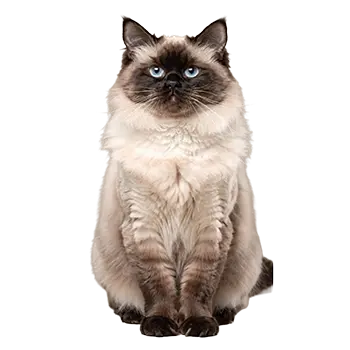

Understanding how a Himalayan plays is the first step in choosing toys that will actually get used rather than ignored. This breed does not share the explosive, acrobatic energy of breeds like the Abyssinian or Bengal. Himalayans tend toward short, moderate-intensity play sessions interspersed with long periods of rest. Their play style is often described as dignified — deliberate batting, careful stalking, and measured pouncing rather than wild sprinting and leaping.
Despite their calm reputation, Himalayans absolutely need regular play and mental stimulation. A Himalayan that receives no enrichment will not typically destroy furniture out of boredom the way a more active breed might, but it will become increasingly sedentary, which accelerates weight gain and contributes to the lethargy that many owners mistakenly assume is just the breed's personality. Two to three play sessions of 10 to 15 minutes each day is a reasonable target that most Himalayans will engage with willingly.
Ground-level play is strongly preferred by this breed. Toys that require jumping, climbing, or sustained high-speed chasing tend to be abandoned quickly because the Himalayan's stocky build and brachycephalic breathing make extended aerobic activity uncomfortable. Instead, the ideal toy engages the cat's attention and predatory instincts without demanding sustained physical output — slow-moving targets, puzzle-based challenges, and toys that reward investigation rather than athleticism.
The social dimension of play should not be overlooked. Himalayans are affectionate, people-oriented cats that often prefer interactive play with their owner over solitary toy use. A wand toy wielded by a human is almost always more engaging to a Himalayan than an automated toy left to run on its own. Building play sessions into the daily routine strengthens the bond between cat and owner while ensuring the cat gets the stimulation and exercise it needs.