
Housing Considerations

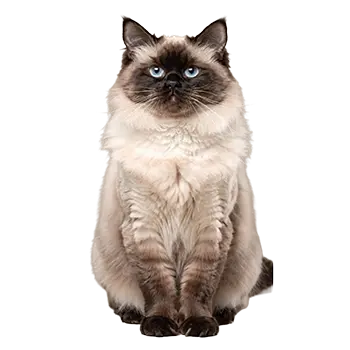
The Himalayan's housing needs are shaped by three defining characteristics: a long, dense double coat that retains heat, a brachycephalic facial structure that limits respiratory efficiency, and a temperament that favors ground-level lounging over vertical exploration. Together, these traits mean that the ideal indoor environment for a Himalayan looks quite different from what you might set up for an athletic, shorthaired breed.

Temperature control is the most critical environmental factor. Himalayans are highly sensitive to heat because their thick coat provides insulation they cannot shed quickly, and their shortened nasal passages make panting — a cat's primary emergency cooling mechanism — far less effective. An indoor environment kept between 65 and 75 degrees Fahrenheit is generally comfortable. In warmer climates or during summer months, air conditioning is not a luxury but a necessity for this breed's wellbeing.

Floor space matters more than vertical space for Himalayans. While many cat breeds thrive with tall cat trees and high shelving, Himalayans are not natural climbers or jumpers. Their stocky build and short legs make launching to high platforms awkward and potentially dangerous. A housing setup that emphasizes accessible, cushioned resting spots at low to moderate heights will see far more use than an elaborate ceiling-height climbing system.

Noise and traffic levels within the home also deserve consideration. Himalayans are generally quiet, gentle cats that can become stressed in chaotic environments. Providing at least one retreat space — a quiet room, a covered bed in a low-traffic area, or a secluded corner — gives the cat a place to decompress. This is especially important in households with young children, other active pets, or frequent visitors.

Cat Trees & Climbing Structures

Cat trees for Himalayans should prioritize stability, accessibility, and platform size over height. A tree with wide, carpeted platforms set at staggered low-to-medium heights — roughly 18 to 36 inches off the ground — gives the cat comfortable elevated perching options without requiring athletic leaps. Look for models with gradual ramps or closely spaced platforms that function as steps rather than requiring the cat to jump between distant levels.

Platform dimensions are important because Himalayans are broader and heavier than many cat breeds. Platforms that are too narrow force the cat to balance awkwardly, which discourages use. A minimum platform width of 14 to 16 inches gives a Himalayan enough room to lie down comfortably, turn around, and shift positions without feeling precarious. Enclosed cubbies or condos built into the tree should be similarly spacious, with openings large enough that the cat's coat does not constantly brush against the edges.

Base stability is non-negotiable. A Himalayan weighing 10 to 14 pounds landing on a platform can generate significant lateral force, and a tree that wobbles or tips will be abandoned after one bad experience. Wide, heavy bases or wall-anchoring kits provide the stability needed. Some owners opt for floor-to-ceiling tension pole models, which eliminate tipping risk entirely, though these should still have platforms at accessible heights.

Material choice affects both durability and grooming workload. Sisal-wrapped posts are ideal for scratching surfaces, but the platform and bed coverings deserve thought. Plush carpet traps loose hair from the Himalayan's constantly shedding coat and can be difficult to clean. Short-pile fabric, microfiber, or removable and washable covers are more practical choices that reduce the amount of loose fur accumulating on the tree and make regular cleaning feasible.

Beds & Resting Areas

Himalayans are champion sleepers, often spending 16 or more hours per day resting, which makes their bed one of the most heavily used items in the home. Investing in a high-quality cat bed is not indulgent — it directly affects the cat's comfort and joint health over its lifetime. Orthopedic beds with memory foam or high-density foam inserts provide cushioning that supports the joints of a heavy, low-slung breed and can be particularly beneficial for older Himalayans showing early signs of arthritis.

Bed shape influences how readily a Himalayan will adopt it. Many cats in this breed prefer bolstered or donut-style beds that provide a raised edge to rest their head on. This slight elevation can also help with breathing comfort, as it keeps the head marginally above the body and reduces the compression on already shortened airways during sleep. Flat mats or pads see less consistent use in this breed compared to beds with some structural support.

Cooling beds or mats are a worthwhile investment for Himalayan owners in warmer climates. Gel-infused cooling pads or elevated mesh cot-style beds allow air to circulate beneath the cat, helping to dissipate the heat that the dense double coat traps against the body. Placing a cooling bed near a vent or in an air-conditioned room gives the cat a reliable spot to retreat to when it begins to overheat.

Washability is a practical necessity rather than a nice-to-have feature. The Himalayan's coat sheds continuously, and any bed will accumulate a dense layer of loose fur within days. Beds with removable, machine-washable covers — or beds that can go into the washing machine whole — make the cleaning cycle manageable. Beds that cannot be easily laundered tend to develop odor and allergen buildup that makes them unpleasant for both the cat and the household. Having two beds and rotating them through the wash keeps a clean option available at all times.

Litter Boxes & Setup

Litter box selection for a Himalayan involves considerations that go beyond what applies to shorthaired breeds. The long coat is the primary complicating factor — fur around the hindquarters and between the toes picks up litter granules, clumps, and debris with remarkable efficiency. Choosing the right box, litter type, and maintenance routine can significantly reduce tracking and coat contamination.

Box size should be generous. The general rule of at least 1.5 times the cat's body length applies, but for a Himalayan, erring toward the larger end is beneficial. A roomy box gives the cat space to position itself without pressing its coat against soiled walls. High-sided boxes or those with inward-curving rims help contain litter spray during digging while still allowing easy entry. Top-entry boxes work well for some cats but can be challenging for heavier, less agile Himalayans, so test before committing.

Litter type matters considerably for longhaired breeds. Fine-grain clumping clay litters tend to adhere to the fur on the paws and hindquarters, creating small clumps that dry and mat into the coat. Larger-grain or pellet-style litters — such as pine, walnut shell, or crystal litters — are less likely to cling to long fur. Some owners find that a litter mat with a textured surface placed immediately outside the box entrance captures loose granules as the cat exits, reducing tracking through the house.

Placement and number of boxes follow the standard recommendation of one box per cat plus one extra, placed in quiet, easily accessible locations. For Himalayans, it is worth ensuring that the litter box area is not in a warm part of the house, as the cat may avoid using a box located near a heat source or in direct sunlight. Climate-controlled areas with good ventilation are ideal. Scooping at least twice daily and performing a full litter change weekly keeps the box hygienic and encourages consistent use — Himalayans, like their Persian relatives, can be particular about litter box cleanliness.

Outdoor Enclosures & Catios

Himalayans are almost universally recommended as indoor-only cats. Their coat collects debris, burrs, and parasites readily, their brachycephalic anatomy makes them vulnerable to heat stress, and their trusting, docile temperament leaves them poorly equipped to handle confrontations with other animals. However, providing safe outdoor access through an enclosed catio or window enclosure can enrich their environment without the risks of free roaming.

Catios — enclosed outdoor patios for cats — range from small window-box units to large walk-in structures. For a Himalayan, even a modest window-mounted enclosure that extends a few feet outward provides fresh air, natural light, and sensory stimulation from outdoor sounds and smells. The enclosure should be fully screened with heavy-gauge wire or welded mesh, with no gaps large enough for the cat to squeeze through or for wildlife to enter.

Shade is absolutely essential in any outdoor enclosure for a Himalayan. Direct sun combined with the breed's dense coat and compromised breathing can lead to heat exhaustion rapidly. The enclosure should be positioned on the north or east side of the building where afternoon sun exposure is minimized, or fitted with a solid roof or shade cloth that blocks direct sunlight. A water source inside the enclosure provides hydration during outdoor time.

Flooring in the catio should be easy to clean and comfortable for the cat. Concrete or paving stones are durable but can become hot in summer, so covering them with outdoor-rated rubber mats or artificial turf gives the cat a cooler surface. Avoid natural grass inside the enclosure, as it retains moisture and can harbor fleas, ticks, and intestinal parasites. Providing a sturdy shelf or bench inside the enclosure at a comfortable sitting height gives the Himalayan an elevated vantage point without requiring climbing. Bringing the cat inside during the hottest part of the day and during any weather extremes should be standard practice.

Temperature & Climate Control

Managing indoor temperature is one of the most important aspects of Himalayan cat ownership, and it is frequently underestimated by first-time owners of the breed. The combination of a thick double coat and a brachycephalic airway creates a cat that overheats easily and cannot cool itself efficiently. While most cats tolerate a wide range of indoor temperatures without issue, Himalayans require a narrower comfort zone, ideally between 65 and 72 degrees Fahrenheit.

Air conditioning is a practical requirement in any region where summer temperatures regularly exceed 80 degrees. Even in a climate-controlled home, hot spots near windows, appliances, or upper floors can create localized heat zones that affect the cat. Identifying and mitigating these areas — with window film, fans, or by restricting access — prevents the cat from inadvertently settling into an uncomfortably warm spot and developing heat stress before the owner notices.

During winter, Himalayans are generally comfortable at normal indoor heating temperatures, but drafty areas near doors or single-pane windows can create cold spots that the cat may avoid. The coat provides significant insulation against cold, so overheating from radiators or heated cat beds is actually a greater risk in winter than chilling. Heated beds should always have a thermostat or auto-shutoff feature, and the cat should always have the option to move away from the heat source.

Humidity levels also influence comfort and coat condition. Very dry air — common in heated homes during winter — can cause static buildup in the long coat and contribute to dry, flaky skin. A room humidifier set to maintain 40–50% relative humidity benefits both the cat's coat and the owner's comfort. Conversely, high humidity above 60% can make the coat feel heavy and damp, and creates conditions favorable to fungal skin infections. Monitoring humidity with a simple hygrometer and adjusting as needed keeps the environment in the optimal range.

Multi-Cat & Multi-Pet Households

Himalayans generally coexist well with other pets, but their gentle, non-confrontational nature means they are easily bullied or stressed by more assertive animals. In a multi-cat household, ensuring that the Himalayan has its own dedicated resources — food station, water source, litter box, and resting area — prevents competition-related stress. Resource guarding by a dominant cat in the household can cause a Himalayan to under-eat, avoid the litter box, or withdraw socially.

Vertical territory management is less relevant for Himalayans than for many breeds, but horizontal territory is important. The Himalayan should have access to at least one room or zone that it can retreat to without being followed or cornered by other pets. Baby gates, microchip-activated cat doors, or simply closing a door to create a Himalayan-only space can make a meaningful difference in the cat's stress levels and overall wellbeing.

Introductions to new pets should be conducted gradually, using scent-swapping and visual introduction through barriers before allowing direct contact. Himalayans are not typically aggressive, but they are also not quick to adapt to change. Rushed introductions can result in prolonged hiding, appetite loss, and stress-related health issues such as idiopathic cystitis. A slow, structured introduction over one to three weeks gives the Himalayan time to acclimate without feeling threatened.

In households with dogs, the dog's temperament and energy level are the primary concern. A calm, well-trained dog is usually a fine companion for a Himalayan, but a high-energy or prey-driven dog can terrorize a slow, ground-dwelling cat that has no ability to escape vertically. Supervised interactions during the initial weeks and providing the cat with dog-free zones — elevated shelves the dog cannot reach, or rooms blocked by cat-sized openings — creates a safe coexistence framework.

Always consult a qualified professional before making any health-related decisions. This content is provided for informational reference only and should not replace professional guidance specific to your animal.