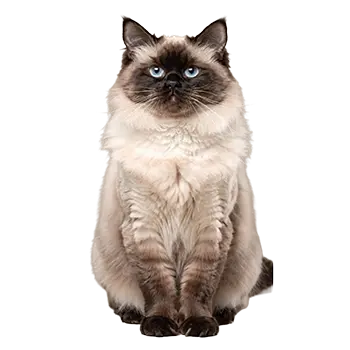

Grooming is not optional with a Himalayan — it is a daily obligation. The breed's long, dense double coat mats quickly if neglected, and mats that are allowed to tighten against the skin can cause pain, restrict movement, and create conditions for skin infections underneath. Building a comprehensive grooming toolkit and establishing a daily routine from kittenhood is one of the most important commitments a Himalayan owner makes.
A high-quality stainless steel comb with both wide-spaced and fine-spaced teeth is the foundation of Himalayan grooming. The wide teeth work through the outer coat to identify tangles and loose fur, while the fine teeth address the dense undercoat where mats most commonly form. Combing should move in the direction of hair growth, starting at the head and working toward the tail, with special attention to the areas behind the ears, under the armpits, along the belly, and around the hindquarters — all high-friction zones where matting occurs first.
A slicker brush complements the comb by removing loose undercoat and distributing skin oils through the coat. For Himalayans, a slicker brush with flexible, fine wire pins and a cushioned pad is gentler on sensitive skin than rigid-pin models. The brush should be used after combing, once tangles have been removed, to smooth and finish the coat. Pressing too firmly with a slicker brush can cause brush burn on the skin beneath the coat, so a light hand is essential.
Mat splitters and dematting combs are necessary for addressing mats that have already formed. These tools use shielded blades to cut through matted fur without risking skin lacerations. For severe matting, a professional groomer is the safer choice, as attempting to remove large, tight mats at home can cause significant discomfort and injury. Routine daily combing — even five to ten minutes — is far more effective and less stressful for the cat than infrequent intensive grooming sessions that attempt to undo weeks of neglect.