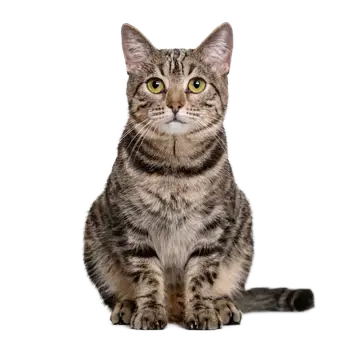

The European Shorthair's dense, close-lying coat is one of the breed's most practical features — it requires far less maintenance than the long, flowing coats of Persian or Maine Coon cats, but it is not entirely self-maintaining. Regular brushing removes loose undercoat, distributes natural skin oils across the hair shaft, and provides an opportunity to inspect the skin for parasites, wounds, or abnormalities that might otherwise go unnoticed under that thick covering. A weekly brushing session is sufficient for most European Shorthairs, increasing to two or three times per week during the heavier spring and autumn shedding periods.
A rubber grooming mitt or short-bristled brush is the most effective primary tool for this coat type. Rubber grooming mitts conform to the cat's body contours and remove loose hair through gentle friction without the discomfort that some cats associate with metal-tined tools. Many European Shorthairs that resist conventional brushing will accept and even lean into a grooming mitt session because the sensation more closely resembles petting. A fine-toothed comb is useful as a secondary tool for checking behind the ears, under the chin, and along the belly where mats or debris can occasionally accumulate.
Nail trimming should be part of the regular grooming routine, particularly for indoor cats whose claws do not experience the natural wear that outdoor activity provides. A pair of sharp, guillotine-style or scissor-style cat nail clippers is essential. Trim just the transparent tip of each claw, avoiding the pink quick that contains blood vessels and nerves. Starting nail handling during kittenhood establishes a baseline of acceptance, but older cats that have never been trimmed can be desensitized gradually through incremental exposure — handling paws during petting, touching the clippers to a nail without cutting, and eventually trimming one nail per session until the cat tolerates the full procedure.
Dental care is the most frequently neglected aspect of feline grooming and one of the most consequential for long-term health. Periodontal disease affects the majority of cats over the age of three and can lead to chronic pain, tooth loss, and systemic infections that impact the kidneys, liver, and heart. A small, soft-bristled cat toothbrush and enzymatic toothpaste formulated for cats should be used several times per week. If brushing is met with absolute resistance, dental treats, water additives, and regular veterinary dental cleanings provide partial alternatives, though none is as effective as mechanical brushing.