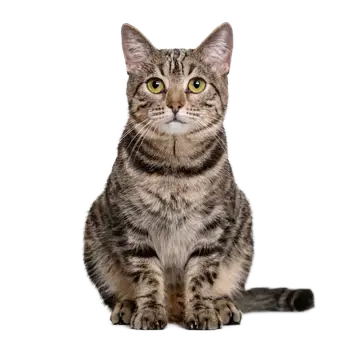

Health monitoring technology for cats has advanced significantly in recent years, and for a long-lived breed like the European Shorthair — where a cat may share your home for nearly two decades — early detection of health changes can add years of quality life. The most practical category of health monitors for home use are smart scales and weight-tracking platforms that record the cat's weight each time it eats or uses a specific device. Gradual weight loss is one of the earliest detectable signs of chronic kidney disease, hyperthyroidism, diabetes, and cancer in cats, and a trend that might be invisible to the naked eye becomes unmistakable when plotted on a weekly graph.
Smart litter box monitors take a different approach by tracking elimination patterns — frequency of visits, duration of use, and in some models, weight of deposits. Increased urination frequency can signal diabetes, kidney disease, or urinary tract infection, while decreased frequency or prolonged straining may indicate constipation, urinary blockage, or other gastrointestinal issues. For multi-cat households, devices that use microchip or RFID identification to assign each litter box visit to a specific cat provide individualized data that would be impossible to gather through observation alone.
Wearable health monitors designed for cats are still an emerging category, but collar-attached activity trackers have reached a level of reliability that makes them useful for detecting behavioral changes associated with illness or pain. These devices record daily activity levels, rest patterns, and in some cases calorie expenditure estimates. A European Shorthair that typically logs moderate activity throughout the day and suddenly shows a sustained drop in movement may be experiencing joint pain, illness, or depression — all conditions that benefit from early veterinary intervention.
The value of any health monitoring device depends entirely on consistent use and honest interpretation of the data. A smart scale that is used intermittently provides fragmented data that obscures trends. A litter monitor that alerts you to increased urination is only useful if you follow up with a veterinary consultation rather than dismissing the notification. These devices are powerful screening tools that complement veterinary care — they do not replace it. Share trend data with your veterinarian at annual wellness visits to provide a longitudinal picture of your cat's health that a single clinical exam cannot capture.