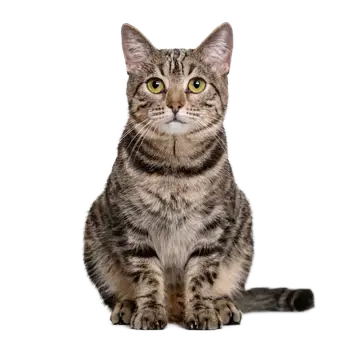

Indoor Living Environment

The European Shorthair is a breed shaped by centuries of coexistence with humans in ordinary homes, barns, and villages across the continent, and it remains one of the most adaptable cats when it comes to living arrangements. These cats do not require elaborate or exotic setups to thrive indoors, but they do need a thoughtfully organized space that respects their natural behavioral patterns — namely, the instinct to climb, survey their territory from elevated positions, retreat to secure hiding spots, and maintain clear separation between resting, eating, and elimination areas.

Floor space alone does not define quality of life for an indoor cat. Vertical territory is often more important than square footage, because cats perceive their environment in three dimensions. A small apartment with well-placed shelves, perches, and a tall cat tree can feel far more spacious to a European Shorthair than a large open-plan house with no vertical options. When planning your layout, think about creating pathways that allow the cat to move through rooms at different heights without needing to touch the floor.

Window access is a significant enrichment factor for indoor European Shorthairs. A secure perch positioned at a window with a view of outdoor activity — birds, pedestrians, weather changes — provides hours of passive stimulation that helps prevent boredom and its associated behavioral problems. South- or west-facing windows that catch afternoon sun are particularly valued, as cats are drawn to warmth and will often adjust their resting position throughout the day to follow sunlight across a room.

Noise and household traffic patterns also influence how comfortable a European Shorthair feels in its environment. While this breed is generally confident and not easily spooked, every cat benefits from having at least one retreat area that is removed from high-traffic zones. A quiet bedroom corner, an elevated shelf in a hallway, or even the top of a wardrobe can serve as a sanctuary where the cat can observe household activity without feeling exposed or pressured to interact.

Cat Trees & Vertical Space

A sturdy cat tree is one of the most impactful single purchases you can make for a European Shorthair. This breed is a capable climber and jumper with a solid, muscular build that demands a tree constructed from durable materials on a stable, wide base. Lightweight trees designed for smaller or less active breeds tend to wobble or tip under the weight and momentum of a European Shorthair launching itself from the floor to the top platform, which creates a safety hazard and discourages use after a negative experience.

Height matters. A cat tree that reaches at least five feet gives the European Shorthair access to the elevated vantage points it instinctively seeks. Taller models — six feet or more — are preferable in homes with high ceilings, as the cat will almost always gravitate to the highest available perch. Ceiling-mounted or floor-to-ceiling tension-pole designs offer maximum height while distributing the structural load more effectively than freestanding models, making them a strong choice for larger cats.

Platform size is frequently underestimated. The European Shorthair is a medium-to-large cat, and many cat trees marketed as "large" still feature platforms barely wide enough for the cat to sit on without overhanging. Look for platforms that are at least 14 inches wide and deep enough for the cat to stretch out comfortably. Enclosed cubbies or condos should be similarly scaled — a cat that has to squeeze into a space will simply avoid it, defeating the purpose of the investment.

Wall-mounted shelves and catwalks offer an alternative or complement to traditional cat trees and are especially useful in smaller living spaces where floor area is at a premium. Floating shelves installed in a staggered pattern up a wall create a climbing route that the cat can navigate at its own pace. Ensure shelves are rated for dynamic loads well above the cat's weight, since a jumping cat generates significantly more force than its static body weight. Carpet or sisal covering on shelf surfaces provides traction and reduces the risk of slipping during landing.

Sleeping Areas & Beds

European Shorthairs tend to be pragmatic about where they sleep, often choosing spots based on warmth, elevation, and security rather than the aesthetic appeal of a store-bought bed. Understanding these preferences can save you money and frustration — there is little point in investing in an expensive designer cat bed if the cat consistently ignores it in favor of a cardboard box or the top of the refrigerator. Observing where your cat naturally gravitates during rest periods gives you the best data for strategic bed placement.

Enclosed beds and hooded designs appeal to many European Shorthairs because they provide the sense of security that cats seek during deep sleep. A covered bed placed on an elevated surface — such as a shelf, the top of a dresser, or a cat tree platform — combines the cat's dual preferences for enclosure and height. Heated beds or self-warming pads that reflect body heat are particularly appreciated during colder months and by older cats whose thermoregulation may be less efficient.

Bed materials should be easy to clean, since the European Shorthair's dense coat sheds moderately year-round with heavier shedding during seasonal transitions. Removable, machine-washable covers are essential for maintaining hygiene. Avoid beds with excessive decorative elements like dangling tassels or loose buttons, which some cats will chew or ingest, creating a foreign body risk. Simple, well-constructed designs with reinforced seams hold up best over time.

Providing multiple resting spots throughout the home is more important than having one perfect bed. Cats rotate their sleeping locations based on time of day, ambient temperature, and social dynamics, and a European Shorthair with access to three or four comfortable options will use them all. In multi-cat households, the number of desirable sleeping spots should exceed the number of cats to reduce competition and the social tension that arises when a subordinate cat cannot find a secure place to rest.

Litter Box Setup

Litter box management is one of the most critical aspects of indoor housing for any cat, and getting it right from the start prevents the most common behavioral complaint cat owners bring to veterinarians: inappropriate elimination. The standard rule of one litter box per cat plus one extra applies to the European Shorthair as it does to all breeds. For a single-cat household, this means two boxes placed in separate locations — not side by side, which most cats treat as a single resource.

Box size is a frequent point of failure. Many commercial litter boxes are designed for an average-sized cat, and the European Shorthair, particularly larger males, may find standard boxes cramped and uncomfortable. A box should be at least one and a half times the length of the cat from nose to base of tail. Large, high-sided storage containers with an entry cut into one side often provide more usable space and better containment than purpose-built litter boxes, at a fraction of the cost.

Litter substrate choice depends partly on the cat's established preferences and partly on household practicality. Unscented clumping clay litter remains the most widely accepted substrate among cats, offering a texture that most readily mimics the fine sand or soil cats would naturally choose outdoors. Some European Shorthairs tolerate or even prefer alternative substrates like wood pellets, recycled paper, or silica crystals, but abrupt switches in litter type are a common trigger for litter box avoidance. If you need to change substrates, do so gradually by mixing the new litter with the old over a period of two to three weeks.

Placement matters as much as the box itself. Litter boxes should be in quiet, low-traffic areas that the cat can access at all times without needing to pass through a gauntlet of household activity, noisy appliances, or other animals. Avoid placing boxes near food and water stations, as cats instinctively separate elimination areas from feeding sites. In multi-story homes, at least one box per floor ensures that the cat is never more than a short walk from a clean option, which is especially important for older cats with reduced mobility.

Outdoor Access & Catios

The European Shorthair's ancestry as a working and village cat means many individuals retain a strong interest in the outdoors. Fresh air, natural sunlight, varied sensory input from wind and birdsong, and the opportunity to engage with grass and soil all contribute positively to feline well-being. However, unsupervised outdoor access introduces risks including traffic, predators, toxin exposure, infectious disease transmission, and territorial conflicts with other cats, all of which can dramatically shorten a cat's lifespan.

A catio — an enclosed outdoor space accessible through a window, door, or pet flap — offers the best compromise between outdoor enrichment and safety. Catios range from simple window-box extensions that provide a screened perch in open air to full walk-in enclosures that allow the cat to climb, explore, and lounge in a secure outdoor environment. For the European Shorthair, a catio with vertical elements such as shelves, branches, or climbing posts makes the most of the available space and satisfies the breed's natural inclination to survey its surroundings from height.

Construction materials should be weather-resistant and escape-proof. Galvanized steel wire mesh or welded wire panels with openings no larger than one inch by two inches prevent the cat from squeezing through or reaching a paw far enough to hook passing wildlife. Wood framing should be treated or sealed against moisture to prevent rot, and all joints and seams should be checked regularly for gaps that might develop as materials expand and contract with temperature changes. Roofing — whether solid or mesh — is non-negotiable to prevent escape and protect against aerial predators.

For owners who cannot build a permanent catio, portable outdoor enclosures and cat tents offer a seasonal alternative. These products are lightweight, collapsible, and can be set up in a yard or on a balcony during supervised outdoor time. They are not secure enough for unattended use, as a determined cat can eventually find a way out of most portable designs, but they provide a meaningful taste of the outdoors under controlled conditions. Harness-and-leash walking is another option, though individual cats vary widely in their tolerance for wearing a harness, and the European Shorthair's independent streak means some individuals will flatly refuse the arrangement.

Multi-Cat Household Considerations

The European Shorthair's social flexibility makes it one of the more adaptable breeds for multi-cat living, but adaptable does not mean indifferent to spatial design. In any multi-cat household, the key principle is resource abundance and distribution. Every critical resource — food stations, water sources, litter boxes, resting spots, scratching surfaces, and elevated perches — should exist in sufficient quantity and be distributed throughout the home so that no single cat can monopolize access by controlling a single location.

Vertical space becomes even more important in multi-cat settings because it allows cats to establish spatial hierarchies without direct confrontation. A dominant cat may claim the highest perch while a more subordinate individual occupies a mid-level shelf, and both can coexist peacefully as long as neither is forced into ground-level exposure without escape routes. Installing cat trees in multiple rooms and adding wall-mounted shelves and perches creates a three-dimensional territory that feels significantly larger to the cats than the floor plan alone would suggest.

Sight-line management is a subtle but powerful tool for reducing tension. Cats that can see each other from across a room at all times — with no visual barriers — experience a low-grade but persistent form of social stress. Providing visual breaks through furniture arrangement, room dividers, or strategically placed cat tunnels allows cats to move through the home without constant visual monitoring of each other. This is particularly important during feeding, when competition anxiety is highest.

Introduction protocols matter as much as physical setup when adding a new cat to a household that already includes a European Shorthair. Gradual, scent-based introductions followed by controlled visual access and finally supervised physical meetings give both cats time to adjust without the trauma of an abrupt territorial invasion. Rushing the process is the single most common mistake owners make, and it can create lasting social friction that no amount of environmental design can fully resolve. Patience during the introduction phase sets the foundation for long-term household harmony.

Seasonal & Climate Adjustments

The European Shorthair's dense coat provides reasonable insulation against moderate cold, but indoor environmental conditions still affect the cat's comfort and behavior across seasons. During winter, cats gravitate toward heat sources — radiators, heating vents, sunny windows, and warm electronics. Providing a heated bed or self-warming pad in the cat's preferred resting area ensures consistent warmth without the risks associated with the cat seeking heat from potentially dangerous sources like stovetops or space heaters. Position heated beds away from drafts and off cold floors for maximum effectiveness.

Summer heat poses its own challenges, particularly in regions where temperatures climb above 85 degrees Fahrenheit or in homes without air conditioning. Cats regulate body temperature primarily through panting and seeking cool surfaces, both of which have limited effectiveness in extreme heat. Elevated cooling mats, ceramic tile resting areas, and fans that circulate air without blowing directly on the cat can all help manage heat stress. Ensure fresh water is always available and consider adding an extra water station during hot periods, as increased ambient temperature drives higher water consumption.

Humidity levels affect both comfort and respiratory health. Excessively dry air — common in heated homes during winter — can irritate the mucous membranes and contribute to upper respiratory discomfort. A room humidifier maintained in the 40–60% relative humidity range benefits both the cat and the humans in the household. Conversely, chronically high humidity promotes mold growth and dust mite proliferation, both of which can exacerbate allergies in sensitive cats.

Seasonal coat changes in the European Shorthair typically produce a heavier shed in spring and a lighter one in autumn as the cat adjusts its undercoat density. During heavy shedding periods, increasing the frequency of brushing and vacuuming helps manage loose hair in the living environment. Washable furniture covers and lint rollers stationed in key rooms are practical concessions to living with a shedding cat that most owners find far easier than constantly battling hair on upholstery. Investing in a quality vacuum with a pet-hair attachment pays for itself quickly in households with one or more cats.

Always consult a qualified professional before making any health-related decisions. This content is provided for informational reference only and should not replace professional guidance specific to your animal.