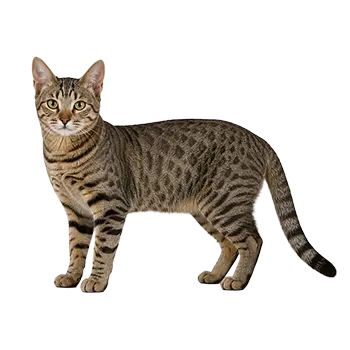

Automated feeding technology has advanced significantly in recent years, and smart feeders offer practical benefits for Dragon Li owners who maintain regular work schedules or travel occasionally. The core value proposition is consistency — a programmable feeder dispenses precise portions at exact times regardless of whether the owner is home, awake, or available. For a breed that thrives on routine, the reliability of automated feeding can reduce mealtime anxiety and behavioral issues associated with unpredictable feeding schedules.
Gravity-fed dispensers are the simplest automated option but offer no portion control — they simply refill the bowl as the cat eats, which amounts to free-feeding. For Dragon Li cats, timed portion-control feeders are far more appropriate. These devices store dry food in a sealed hopper and release a programmed amount at scheduled times. Models with individual meal-size settings and multiple daily dispensing slots allow owners to replicate their manual feeding schedule precisely. Some advanced units include slow-feed modes that dispense kibble gradually over several minutes, which prevents the rapid consumption that some Dragon Li cats are prone to.
Microchip-activated feeders solve the specific problem of food theft in multi-cat households. These units read the approaching cat's implanted microchip or a paired RFID collar tag and open only for the authorized cat. For Dragon Li owners managing cats on different diets — prescription food, calorie-restricted portions, or medication mixed into food — microchip feeders ensure each cat accesses only its own meal. The lid closes automatically when the authorized cat walks away, preventing competitors from finishing the leftovers.
Smart water fountains with app connectivity track daily water consumption and alert owners to changes in drinking patterns. A sudden decrease in water intake can be an early indicator of illness, particularly kidney disease or urinary tract obstruction — conditions that benefit enormously from early detection. Fountains with integrated filtration systems maintain water quality between cleanings, and those with flow-rate monitoring can distinguish between actual drinking and incidental water disturbance caused by the cat batting at the stream.