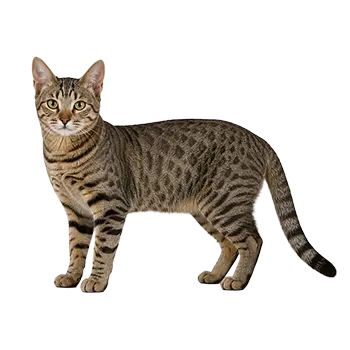

The Dragon Li is a natural breed that developed over centuries in China without heavy selective breeding, and its dietary requirements reflect that hardy, athletic origin. These cats are medium-sized but solidly built, carrying a muscular frame beneath their distinctive brown mackerel tabby coat. Their metabolism tends to be efficient rather than hyperactive, but they are far from sedentary — most Dragon Li cats are keen hunters and explorers that benefit from a protein-rich diet designed to sustain lean muscle and sustained energy.
As obligate carnivores, Dragon Li cats require a diet anchored by high-quality animal protein. Their ancestral background as working cats — historically valued in China for rodent control — means their digestive systems are well-adapted to processing whole-prey-style nutrition. A minimum of 40% protein on a dry-matter basis is a reasonable target, with named animal proteins forming the foundation of the ingredient list.
Fat intake is equally important for the Dragon Li. Their short, dense coat with its characteristic ticked mackerel pattern depends on adequate dietary fat to maintain its texture and natural sheen. Omega-3 fatty acids from marine sources support skin barrier function, while omega-6 fatty acids from poultry fats and plant oils contribute to coat luster. A combined fat content in the range of 15–20% on a dry-matter basis generally meets the needs of an adult Dragon Li at a healthy weight.
Hydration deserves particular attention with this breed. Like all cats, the Dragon Li has a low natural thirst drive, a trait inherited from the arid environments where early felids evolved. Because the Dragon Li is a robust breed not typically prone to fussiness, incorporating wet food into the diet is usually straightforward and provides a reliable way to increase daily water intake, supporting kidney and urinary tract health over the cat's lifetime.