
Collars & Identification

A properly fitted collar with current identification is one of the most basic and important accessories for any cat, and the Dragon Li — with its strong, muscular neck and active disposition — requires a collar that balances security with safety. Breakaway collars are the standard recommendation for all cats, featuring a clasp that releases under pressure if the collar snags on a branch, fence, or piece of furniture. For the Dragon Li, which is more likely than sedentary breeds to find itself in situations where snagging is possible, a breakaway mechanism is non-negotiable.

Fit is critical. A collar that is too loose can slip over the cat's head or catch on the lower jaw, creating a dangerous entanglement. Too tight, and it restricts breathing and causes skin irritation. The standard guideline is that two fingers should fit snugly between the collar and the cat's neck. Because Dragon Li cats are muscular through the neck and shoulders, the collar width should be at least half an inch to distribute pressure evenly and prevent the narrow-band chafing that thinner collars can cause.

Identification tags should include the cat's name, the owner's phone number, and ideally a secondary contact number. Flat, slide-on tags that lie flush against the collar are preferable to dangling pendant-style tags, which can catch on objects, create noise that bothers the cat, and are more easily lost. Engraved information lasts longer than printed tags, which can become illegible from wear and moisture exposure over time.

Microchipping provides a permanent, tamper-proof layer of identification that complements but does not replace a visible collar tag. A microchip is a passive RFID transponder injected beneath the skin between the shoulder blades, readable by scanners at veterinary offices and shelters. Registration with the microchip company's database — and keeping contact information current — is essential, as the chip itself contains only an identification number that must be linked to owner information to be useful.

Harnesses & Leash Walking

The Dragon Li's intelligence, confidence, and moderate adaptability make it one of the more leash-trainable cat breeds, though individual temperament varies considerably. A well-fitted harness is the only safe option for leash walking a cat — collars should never be used for leash attachment, as the pulling force concentrates on the trachea and cervical spine, creating injury risk and enabling escape by backing out of the collar.

Vest-style harnesses that distribute pressure across the chest and shoulders are the most secure and comfortable option for the Dragon Li. The figure-H style, which consists of two loops connected by a dorsal strap, is a simpler alternative but offers less surface contact and can shift during movement. For a muscular, determined breed like the Dragon Li, a vest harness with adjustable straps at the neck, chest, and girth provides the most escape-resistant fit.

Harness introduction should be gradual and positive. Begin by leaving the harness near the cat's resting area for several days so it becomes a familiar object. Next, drape it over the cat's back during treat-rewarded sessions without fastening it. Progress to fastening the harness indoors and allowing the cat to wear it during normal indoor activity. Only after the cat moves comfortably in the harness should the leash be attached, and initial leash sessions should take place indoors where the environment is controlled and familiar.

Outdoor leash sessions with a Dragon Li require a fundamentally different approach than walking a dog. The cat sets the pace and direction. Attempts to lead or redirect a cat on leash typically result in the cat freezing, resisting, or becoming agitated. The owner's role is to follow the cat's chosen route while maintaining gentle tension to prevent the cat from bolting into unsafe areas. A retractable leash offers some flexibility but can malfunction or allow too much slack in critical moments — a standard 6–8 foot lightweight leash provides a better balance of freedom and control.

Carriers & Travel Gear

A sturdy, appropriately sized carrier is essential equipment for any Dragon Li owner. Veterinary visits, emergency evacuations, travel, and boarding all require secure transport, and the Dragon Li's strength and determination make carrier quality more important than it might be for a smaller or more docile breed. A hard-sided carrier with a secure metal latch is the safest option for vehicle transport, as it maintains its structural integrity during sudden stops and cannot be clawed open from inside.

Size specifications for a Dragon Li carrier should allow the cat to stand up, turn around, and lie down comfortably. For an adult Dragon Li weighing 9–12 pounds, a carrier with interior dimensions of approximately 19–20 inches long, 12 inches wide, and 12 inches tall provides adequate space. Oversized carriers are counterproductive — too much interior space allows the cat to be thrown around during vehicle movement, increasing injury risk and anxiety.

Top-loading carriers offer a significant practical advantage for cats that resist being pushed through a front door opening. Many Dragon Li cats will brace their legs against the carrier entrance and resist insertion with considerable force. A top-loading design allows the owner to lower the cat into the carrier from above, which most cats find less threatening and which gives the handler better physical control during the process. Carriers that offer both front and top openings provide the most versatility.

Carrier conditioning should begin well before the carrier is needed for actual transport. Leaving the carrier open in the home with a comfortable blanket inside, feeding treats and occasional meals inside the carrier, and allowing the cat to use it as a voluntary resting spot all build a positive association. A Dragon Li that views its carrier as a safe den rather than a confinement device will enter it voluntarily and travel with significantly less stress. Pheromone sprays designed to reduce feline anxiety can be applied to the carrier interior 15–20 minutes before use to provide additional calming support.

Grooming Tools

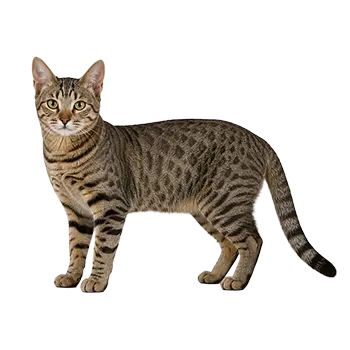
The Dragon Li's short, dense coat is relatively low-maintenance compared to long-haired breeds, but regular grooming still provides meaningful benefits including reduced shedding around the home, early detection of skin issues or parasites, and strengthened bonding between cat and owner. The breed's coat consists of a moderately thick undercoat beneath the characteristically marked outer guard hairs, and seasonal shedding — particularly in spring — can be substantial.

A fine-toothed stainless steel comb is the most versatile primary grooming tool for the Dragon Li. It effectively removes loose undercoat without irritating the skin and can detect flea dirt, mats, and skin abnormalities during routine grooming sessions. A rubber grooming mitt or silicone brush is a gentler alternative that many cats enjoy and that works well for cats initially resistant to traditional combing. Weekly grooming is sufficient for most Dragon Li cats, increasing to every two or three days during heavy shedding periods.

Nail trimming is a regular maintenance task that should not be neglected even when the cat has access to scratching posts. Overgrown nails can catch on fabrics and furniture, potentially tearing and causing pain or infection. Guillotine-style or scissor-style cat nail clippers are both effective — the choice is largely a matter of handler preference. Trimming the sharp tip of each claw every two to three weeks is generally sufficient. Introducing nail handling early and pairing it with treats establishes a cooperative grooming routine that prevents the struggle many owners experience when attempting to trim an unaccustomed adult cat's nails.

Dental care is an often-neglected aspect of feline grooming that has significant long-term health implications. Periodontal disease affects the majority of cats over age three and can lead to pain, tooth loss, and systemic health problems. Enzymatic cat toothpaste applied with a finger brush or small-headed cat toothbrush provides the most direct preventive care. Daily brushing is ideal but even two to three times weekly provides meaningful benefit. Dental treats and water additives offer supplementary support but should not be relied upon as the sole approach to oral hygiene.

Bowls & Feeding Accessories

The design and placement of food and water vessels affects both the Dragon Li's comfort during meals and its willingness to consume adequate food and water. Bowl material, depth, width, and elevation all influence feeding behavior in ways that may not be immediately obvious but have real impact over time.

Stainless steel and ceramic are the preferred materials for cat food and water bowls. Stainless steel is virtually indestructible, easy to sanitize, and does not harbor bacteria in surface scratches. Ceramic offers similar hygiene advantages and is heavy enough to resist tipping or sliding during enthusiastic eating. Plastic bowls should be avoided — they scratch easily, providing harbor for bacteria, and some cats develop chin acne (feline acne) from contact with plastic surfaces during feeding. If ceramic is chosen, ensure it is lead-free and food-safe glazed.

Bowl width and depth matter more than most owners realize. Cats have sensitive whiskers that can be overstimulated by contact with the sides of a narrow, deep bowl — a phenomenon often called whisker fatigue. The Dragon Li, with its broad face and prominent whisker pads, benefits from a wide, shallow bowl or a flat plate-style dish that allows it to eat without compressing its whiskers against the bowl walls. Cats that paw food out of the bowl or eat reluctantly from deep dishes often show immediate improvement when switched to a wider, shallower vessel.

Elevated feeding stations raise food and water to a height that reduces neck strain during meals. For a Dragon Li, an elevation of 4–6 inches is generally comfortable, bringing the bowl to a level that allows the cat to eat without crouching. This is particularly beneficial for older cats with cervical arthritis or stiffness. Elevated stations with non-slip bases prevent the platform from sliding across hard floors during feeding.

Water fountains deserve separate consideration as a hydration accessory. Cats are instinctively attracted to moving water, which in nature is more likely to be fresh and uncontaminated than standing water. A recirculating fountain with a charcoal filter provides a constant flow of clean, oxygenated water that many Dragon Li cats will drink from more readily than a static bowl. Stainless steel or ceramic fountains are preferred over plastic for the same hygiene reasons that apply to food bowls.

Seasonal & Specialty Gear

While the Dragon Li's short coat and robust constitution make it less sensitive to temperature extremes than some breeds, seasonal gear can still enhance comfort and safety. During winter months in colder climates, heated cat beds or self-warming pads that reflect body heat provide welcome warmth for indoor cats, particularly those that rest near drafty windows or on uncarpeted floors. These products are most beneficial for elderly Dragon Li cats whose circulation and thermoregulation may be less efficient.

Summer brings different considerations. Cooling mats filled with pressure-activated gel can provide relief during heat waves, especially in homes without air conditioning. These mats activate when the cat lies on them and require no electricity or refrigeration. Placing a cooling mat in the cat's preferred resting spot during hot weather offers a passive comfort measure. Ceramic tiles placed in shaded areas serve a similar purpose — cats naturally seek out cool surfaces during warm weather, and a tile provides a predictably cool resting option.

Window screens and window guards are critical safety accessories for any indoor cat during warm-weather months when windows are opened for ventilation. Standard insect screens are not designed to withstand the weight of a cat leaning against them, and falls from windows — even at relatively low heights — are a common and often serious feline injury. Pet-rated window screens or adjustable window guards that limit the opening to a few inches provide ventilation without creating a fall hazard.

Cat-proof household accessories address the Dragon Li's natural curiosity and problem-solving ability, which can lead to interactions with household items that other cat breeds might ignore. Childproof cabinet latches prevent a determined Dragon Li from opening kitchen or bathroom cabinets. Cord management systems protect both the cat and electronic equipment from chewing damage. Toilet lid locks prevent drinking from the bowl — a common habit that exposes the cat to cleaning product residue and bacteria. These proofing measures are investments in prevention that avoid costly veterinary visits and household damage.

First Aid & Emergency Supplies

A well-stocked feline first aid kit is an essential accessory for every Dragon Li household. The breed's active lifestyle and investigative nature increase the probability of minor injuries, and having supplies on hand allows immediate response before veterinary care can be accessed. A dedicated kit stored in an accessible but cat-proof location ensures materials are organized and available when needed.

Core first aid components include sterile gauze pads and rolls for wound coverage, self-adhering bandage wrap that sticks to itself without adhesive contact with fur, blunt-tipped scissors for cutting bandage material, a digital thermometer (normal feline temperature ranges from 100.5 to 102.5 degrees Fahrenheit), and a pair of tweezers for tick or splinter removal. Antiseptic solution suitable for cats — chlorhexidine at 0.05% concentration is widely recommended — should be included for wound cleaning. Hydrogen peroxide should be available only for inducing vomiting under specific veterinary direction and should never be applied to wounds, as it damages healthy tissue.

Styptic powder or cornstarch addresses bleeding from nail trimming accidents, which occur occasionally even with experienced handlers. Saline solution for flushing debris from eyes, an instant cold pack for swelling, and a small flashlight for examining ears, mouth, and other hard-to-see areas round out the basic supplies. Disposable gloves protect the handler and prevent wound contamination during treatment.

Emergency documentation should accompany the first aid kit. A card listing the cat's microchip number, veterinary clinic contact information, emergency veterinary hospital address and phone number, and any known allergies or ongoing medications provides critical information that may be difficult to recall during a stressful emergency. A current photograph of the cat stored with the kit aids identification if the cat escapes during an emergency evacuation. Reviewing and restocking the kit every six months ensures that supplies remain current and unexpired.

Always consult a qualified professional before making any health-related decisions. This content is provided for informational reference only and should not replace professional guidance specific to your animal.