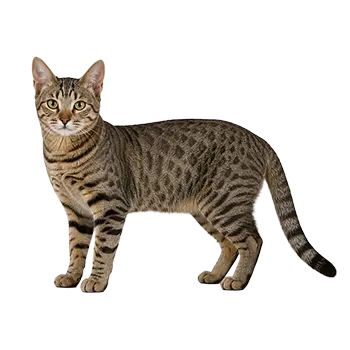

The Dragon Li is a breed whose natural instincts remain close to the surface, and its indoor environment should reflect that. These cats descend from Chinese mountain cats that evolved in terrain demanding agility, awareness, and vertical navigation. An indoor space that offers only flat surfaces and soft furniture will leave a Dragon Li under-stimulated and potentially destructive. The goal is to create an environment that channels the breed's inherent athleticism and curiosity into appropriate outlets.
Vertical space is the single most important element in a Dragon Li's indoor habitat. These cats are natural climbers that feel most secure when they can survey their territory from an elevated vantage point. Wall-mounted shelves, tall cat trees, and ceiling-height climbing poles all serve this purpose. The arrangement should allow the cat to move from one elevated surface to another without returning to floor level — creating an aerial highway that satisfies the breed's desire to patrol and observe from above.
Horizontal territory matters as well, particularly in multi-cat households. Dragon Li cats tend toward independence and can be territorial with other cats. Providing multiple pathways through the home, rather than forcing cats through shared chokepoints like narrow hallways or single doorways, reduces conflict and resource guarding. Strategic placement of furniture and cat-specific structures can create parallel routes that allow cats to navigate without confrontation.
Lighting and window access are often overlooked but significantly impact a Dragon Li's quality of life indoors. These cats are keenly observant and derive considerable enrichment from watching outdoor activity — birds, insects, passing pedestrians, and weather changes. Ensuring that at least one elevated perch offers a clear window view provides hours of passive stimulation. Window perches with suction-cup mounts or shelf-style installations can transform an otherwise underused window into the cat's preferred resting spot.