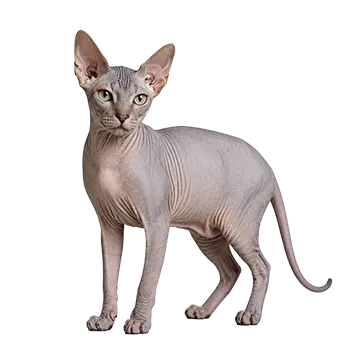

Wearable activity monitors designed for cats track movement patterns, sleep duration, calorie expenditure estimates, and general activity levels throughout the day. For the Donskoy, these devices provide valuable baseline data that can help you detect early signs of illness or discomfort. A sudden drop in activity or a significant change in sleep patterns may indicate pain, illness, or environmental stress before more obvious symptoms appear.
Most cat activity monitors attach to a collar or harness and sync data to a smartphone app for review. When selecting a monitor for the Donskoy, pay close attention to how the device attaches and whether the attachment hardware could irritate bare skin. Devices that clip onto a wide, padded collar or integrate directly into a harness strap tend to be more comfortable for hairless cats than units that dangle or bounce during movement.
The health insights provided by activity monitors become more useful over time as the device builds a profile of your individual cat's normal behavior. After several weeks of data collection, the app can flag deviations from established patterns — sleeping significantly more or less than usual, reduced playfulness, or changes in eating frequency at smart feeders. This trend data is especially valuable for veterinary visits, where objective behavioral measurements supplement your subjective observations.
Weight tracking, while not typically a feature of wearable monitors, can be accomplished through smart pet scales that record daily weights and chart trends over time. For the Donskoy, whose body composition changes are more visible without fur, a weight trend chart provides an objective complement to visual assessment. Even minor weight fluctuations of a few ounces can be significant in a cat that typically weighs between six and twelve pounds.