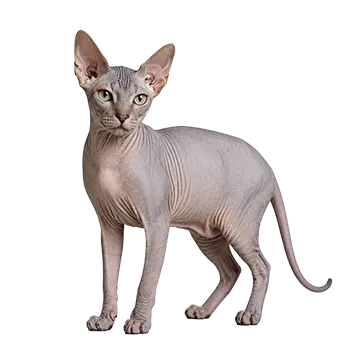

Space Requirements

The Donskoy is an active, curious cat that needs ample vertical and horizontal space to stay mentally and physically engaged. While they adapt well to apartment living, the environment should include climbing structures, elevated perches, and clear sightlines to windows or household activity areas. A cramped or under-furnished space will leave this intelligent breed bored and prone to behavioral issues.

Vertical territory is especially important for the Donskoy. Cat trees, wall-mounted shelves, and elevated walkways give this breed the climbing opportunities it craves and help establish a sense of security. Position vertical structures near windows where your Donskoy can observe outdoor activity — this breed is endlessly curious and benefits from visual stimulation throughout the day.

Because the Donskoy lacks a protective coat, the surfaces in their living space matter more than they would for a furred cat. Rough or abrasive materials on shelves, perches, and resting spots can irritate exposed skin. Choose furnishings with smooth, soft coverings or add washable fleece pads to surfaces your cat frequents. This is a practical concern that affects both comfort and skin health over time.

Dedicate at least one quiet retreat area where the Donskoy can withdraw when overstimulated. Despite their social nature, all cats benefit from a private space, and the Donskoy is no exception. An enclosed cat cave, a covered bed tucked into a calm corner, or a high shelf away from foot traffic can serve this purpose well.

Cat Trees & Climbing Structures

A sturdy, well-designed cat tree is one of the most important investments for a Donskoy household. Look for structures with a solid base that won't wobble during vigorous climbing — the Donskoy is a muscular, athletic cat that generates real force when leaping between platforms. Instability in a cat tree quickly erodes a cat's confidence and discourages use.

Platform material is a critical consideration for hairless breeds. Standard sisal-wrapped posts are fine for scratching, but platforms and perches should be covered in soft, skin-friendly fabric rather than rough carpet. Some cat trees come with removable, washable covers, which is ideal for the Donskoy since their skin produces natural oils that transfer to surfaces and require regular cleaning.

Multi-level designs with enclosed cubbies offer the best of both worlds — open platforms for surveying the room and enclosed spaces for warmth and privacy. The Donskoy tends to seek out warm, enclosed spots for napping, so a cat tree with at least one cave-style compartment will see heavy use, especially in cooler weather.

Wall-mounted shelving systems provide an alternative or supplement to freestanding cat trees. These systems save floor space and can be configured to create elaborate climbing routes along walls and around room perimeters. For the Donskoy, ensure shelf surfaces are padded and that the system is anchored securely to wall studs to support the cat's weight during active play.

Beds & Sleeping Areas

The Donskoy's lack of fur makes bed selection more consequential than it is for most cats. This breed loses body heat rapidly and gravitates toward warm, insulated sleeping spots. Hooded or cave-style beds that retain body heat are consistently popular with hairless cats and provide the snug, enclosed feeling the Donskoy prefers for deep sleep.

Self-warming beds that use reflective thermal liners to bounce body heat back to the cat are a practical choice for the Donskoy. These beds require no electricity, making them safe for unsupervised use, and they provide a gentle warmth boost that helps the cat maintain comfortable body temperature during sleep. For colder environments, heated pet beds with thermostatic controls offer more substantial warmth — choose models with chew-resistant cords and automatic shutoff features.

Fabric choice directly affects the Donskoy's skin comfort and hygiene. Smooth, tightly woven materials like microfleece, sherpa, or jersey knit are gentler on exposed skin than textured or looped fabrics. Because hairless cats produce more visible skin oils, bed covers should be removable and machine washable. Plan to wash bedding at least weekly to prevent oil buildup, bacterial growth, and the development of skin irritation.

Place beds in warm, draft-free locations away from exterior walls and windows that may radiate cold. Many Donskoy owners keep multiple beds throughout the home so the cat always has a warm option nearby. A bed near a sunny window, another in the living area, and one in the bedroom creates a network of comfortable resting spots that follows the household's daily rhythm.

Outdoor Enclosures

The Donskoy should never be allowed to roam outdoors unsupervised. Without fur, this breed is vulnerable to sunburn, temperature extremes, parasites, and skin injuries from rough surfaces or vegetation. However, controlled outdoor access through a secured enclosure — commonly called a catio — can provide valuable enrichment without the associated risks.

A well-designed catio for the Donskoy should include solid roofing or UV-filtering panels to prevent sun exposure. Hairless cats are highly susceptible to sunburn, and even brief unprotected exposure can cause redness, peeling, and long-term skin damage. Shade structures, retractable awnings, or polycarbonate roofing panels all provide effective UV protection while allowing natural light to filter through.

Temperature management limits when outdoor enclosures are practical. The Donskoy should only use an outdoor enclosure when ambient temperatures are comfortably warm — generally between 65 and 85 degrees Fahrenheit. Below this range, the cat loses body heat too quickly; above it, direct heat on exposed skin becomes a concern. Monitor weather conditions and restrict catio access to appropriate days and times.

The enclosure floor should be smooth and clean. Avoid bare concrete, rough wood, or gravel, which can abrade the Donskoy's sensitive paw pads and belly skin. Outdoor-rated interlocking foam tiles, artificial turf, or smooth composite decking provide comfortable footing. Include elevated perches, scratching posts, and a covered retreat area within the catio so the cat has activity options and can self-regulate its environment.

Climate Considerations

Temperature control is arguably the single most important housing consideration for the Donskoy. This breed lacks the insulating layer that fur provides to other cats, making them heavily dependent on ambient temperature for thermal comfort. The ideal indoor temperature range for a Donskoy is between 72 and 78 degrees Fahrenheit, though individual preferences vary.

During winter months or in cooler climates, supplemental warmth sources become essential. Heated cat beds, microwavable warming discs, and thermal blankets all help the Donskoy maintain body temperature without requiring you to overheat your entire home. Position these warming options in the cat's favorite resting spots and ensure they are thermostatically controlled to prevent overheating.

Air conditioning during summer requires careful management. While the Donskoy can overheat in hot environments, aggressive air conditioning can also chill a hairless cat too quickly. Avoid placing cat beds or resting areas directly in the path of AC vents. If your home runs cool during summer, keep warming options available so the Donskoy can self-regulate. The goal is a stable, moderate environment without sharp temperature fluctuations.

Humidity also affects the Donskoy's skin health. Very dry indoor air — common in heated homes during winter — can cause flaking, itching, and irritation on exposed skin. A room humidifier in the area where your Donskoy spends the most time helps maintain skin moisture. Aim for indoor humidity between 40 and 60 percent, which benefits both the cat and the humans in the household.

Multi-Pet Households

The Donskoy's social nature makes it generally well-suited to multi-pet households, but the physical environment must be structured to prevent conflict and ensure every animal has adequate resources. The basic rule is to provide one of each critical resource — litter box, feeding station, water source, resting area — per cat, plus one extra. This reduces competition and gives each cat options.

Vertical space becomes even more important in multi-cat homes. Cats establish social hierarchies partly through access to elevated positions, and having abundant high perches, cat trees, and wall shelves allows each cat to claim territory without direct confrontation. The Donskoy is generally confident and will readily use vertical space, but ensure there are enough elevated spots that no cat is forced to stay at ground level.

The Donskoy's hairless skin makes it more vulnerable to scratches and bites during rough play or disputes with other cats. While most multi-cat interactions are benign, even casual wrestling can leave marks on unprotected skin. Monitor play sessions between your Donskoy and other cats, especially during the introduction period. Provide ample hiding spots and escape routes so any cat can disengage from an interaction that becomes too intense.

If you have both hairless and coated cats, be aware that temperature preferences may differ. The Donskoy will seek out the warmest spots in the house, which may create competition for heated beds, sunny windowsills, or other prime warm locations. Providing multiple warming options distributed throughout the home prevents resource guarding and ensures every cat can find a comfortable resting spot.

Always consult a qualified professional before making any health-related decisions. This content is provided for informational reference only and should not replace professional guidance specific to your animal.