
Nutritional Needs

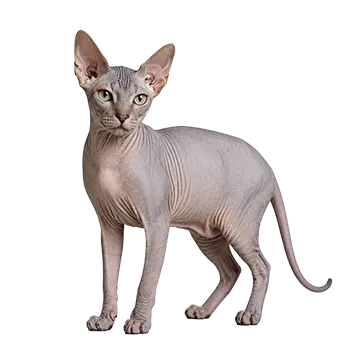
The Donskoy is a hairless breed with a notably higher metabolic rate than most coated cats. Without fur to insulate their bodies, these cats burn through calories more quickly to maintain their core temperature, particularly during cooler months. This elevated metabolism means the Donskoy typically requires a more calorie-dense diet than the average domestic cat of similar size and weight.

Protein should form the foundation of the Donskoy's diet, with animal-based protein sources listed as the first ingredient in any food you select. Look for formulas that deliver at least 40 percent protein on a dry-matter basis, as this breed's lean musculature and active disposition demand consistent amino acid intake. Taurine, an essential amino acid for all cats, is especially important for supporting heart and eye health.

Fat content plays a dual role for the Donskoy. Healthy fats provide a concentrated energy source to fuel their fast metabolism, and omega-3 and omega-6 fatty acids are critical for maintaining skin health. Because the Donskoy's skin is exposed rather than protected by a coat, dietary fat quality directly affects skin condition, oil production, and overall comfort.

Carbohydrates should remain limited in the Donskoy's diet. While some carbohydrate content is unavoidable in commercial cat food, excessive grain or starch fillers can lead to digestive upset and unwanted weight gain. Prioritize formulas that use digestible carbohydrate sources sparingly and rely on protein and fat as primary caloric contributors.

What to Look For

When evaluating cat food labels for a Donskoy, start with the ingredient list. A named animal protein — such as chicken, turkey, salmon, or duck — should appear as the first ingredient. Avoid products that list vague terms like "meat meal" or "animal by-products" without specifying the source, as these offer less transparency about nutritional quality.

Pay attention to the guaranteed analysis panel, which breaks down minimum percentages of protein, fat, fiber, and moisture. For the Donskoy, you want higher protein and moderate-to-high fat percentages relative to standard adult cat formulas. Fiber should be moderate to support digestive health without displacing more nutrient-dense ingredients.

Skin-supporting nutrients deserve special attention with this breed. Look for foods that include omega fatty acid sources such as fish oil, flaxseed, or salmon meal. Vitamin E and biotin are also beneficial for skin integrity. Some formulas marketed for skin and coat health can be a good starting point, though you should still verify the overall nutritional profile meets the Donskoy's caloric needs.

Avoid artificial preservatives, colors, and flavors. While these additives are generally undesirable for any cat, the Donskoy's exposed skin may be more sensitive to dietary irritants. Clean, simple ingredient lists with recognizable whole-food components tend to produce the best results for this breed.

Recommended Dry Food

Dry kibble can serve as a convenient base for the Donskoy's diet, but it should be chosen carefully. Look for high-protein, grain-free or limited-grain formulas that deliver calorie density without relying on cheap fillers. The best dry foods for this breed use multiple named animal protein sources and include added omega fatty acids for skin support.

Kibble size and texture matter for the Donskoy. Some hairless cats have slightly different dental characteristics, and smaller kibble pieces may be easier to manage. If your Donskoy tends to eat quickly, consider a kibble designed to encourage slower chewing, which can reduce the risk of regurgitation and improve nutrient absorption.

Because dry food has very low moisture content, hydration becomes a concern when kibble makes up the majority of the diet. The Donskoy's higher metabolic rate increases water needs, so always pair dry food with ample fresh water access. Many owners find that adding a small amount of warm water or low-sodium broth to kibble improves palatability and boosts daily fluid intake.

Store dry food properly in a sealed container to preserve freshness and prevent fat oxidation. Rancid fats not only lose nutritional value but can also cause digestive issues and skin reactions — a particular concern for a breed whose skin health is closely tied to diet quality.

Wet & Fresh Options

Wet food is an excellent dietary component for the Donskoy, primarily because of its high moisture content. Hairless cats lose more body heat through their skin and may not drink enough water on their own to compensate for their elevated metabolic demands. A diet that includes wet food helps ensure adequate hydration and supports kidney and urinary tract health over the long term.

Pâté-style wet foods tend to offer higher protein and fat density per serving compared to chunks-in-gravy formulas, which often contain more water and thickening agents. For a breed that needs concentrated nutrition, pâté or finely minced textures deliver more calories per ounce. However, some Donskoys show strong texture preferences, so it may take some experimentation to find what your cat enjoys most.

Fresh and raw diet options have gained popularity among hairless cat owners who want maximum control over ingredient quality. If you choose to explore fresh feeding, work with a veterinary nutritionist to ensure the diet is complete and balanced. Cats have strict nutritional requirements that are difficult to meet with homemade meals alone, and deficiencies can develop quickly — especially in a breed with higher caloric turnover.

Rotational feeding, where you alternate between several high-quality wet food varieties, can help prevent ingredient sensitivities from developing and keeps mealtime interesting for the Donskoy's curious palate. Just introduce new foods gradually over several days to avoid digestive disruption.

Treats & Supplements

Treats should complement the Donskoy's diet without unbalancing it. The general rule of keeping treats to no more than ten percent of daily caloric intake applies here, though given this breed's higher calorie requirements, you have slightly more room to work with. Choose treats that are high in protein and low in fillers, artificial additives, and excessive carbohydrates.

Freeze-dried single-protein treats — such as chicken, salmon, or liver — are among the best options for the Donskoy. They provide a concentrated burst of animal protein without unnecessary ingredients, and most cats find their flavor and texture irresistible. These treats also work well for training and positive reinforcement, as the Donskoy is an intelligent breed that responds well to food motivation.

Supplementation may be warranted for some Donskoys, particularly those with dry or flaky skin. Fish oil supplements rich in EPA and DHA can improve skin moisture and reduce irritation. Probiotic supplements can support digestive health, which in turn affects nutrient absorption and skin condition. Always consult your veterinarian before adding supplements, as over-supplementation can be just as problematic as deficiency.

Dental treats designed to reduce tartar buildup can be a useful addition, especially if your Donskoy eats primarily wet food. Without the mild abrasive action of dry kibble, wet-food-dominant cats may accumulate dental plaque more quickly. Look for dental treats with recognized veterinary endorsements for efficacy.

Foods to Avoid

Several common human foods are toxic to cats and must be kept away from the Donskoy at all times. Onions, garlic, chives, and related alliums can cause oxidative damage to red blood cells, leading to anemia. Grapes and raisins pose a risk of kidney damage. Chocolate contains theobromine, which cats metabolize very slowly, making even small amounts dangerous.

Raw eggs and raw fish, while sometimes promoted in raw feeding circles, carry risks of bacterial contamination and can interfere with nutrient absorption. Raw egg whites contain avidin, which blocks biotin uptake — particularly concerning for a hairless breed that depends on biotin for skin health. If you choose to feed raw proteins, ensure they are handled with strict food safety protocols and sourced from reputable suppliers.

Dairy products are poorly tolerated by most adult cats, including the Donskoy. Cats generally lose the enzyme lactase after weaning, making them lactose intolerant. Milk, cheese, and cream can cause gastrointestinal distress including diarrhea and bloating. If your Donskoy enjoys creamy textures, look for cat-specific milk alternatives formulated without lactose.

Excessive liver, while a favorite treat for many cats, can lead to vitamin A toxicity when fed in large quantities over time. This condition affects bones and joints and can become serious if left unchecked. Liver should be offered only occasionally and in small portions as part of a balanced overall diet.

Feeding Schedule

The Donskoy's fast metabolism benefits from multiple smaller meals throughout the day rather than one or two large feedings. Most adult Donskoys do well with three meals daily, spaced roughly eight hours apart. This approach provides a steady stream of calories to support thermoregulation and prevents the energy crashes that can occur with less frequent feeding.

Kittens and young Donskoys under one year of age should be fed four to five times daily, as their caloric needs per pound of body weight are significantly higher during growth phases. Use a kitten formula specifically designed for the increased protein, fat, and mineral requirements of developing cats, and transition gradually to an adult formula around twelve months of age.

Portion control is important even for a breed with elevated calorie needs. Monitor your Donskoy's body condition regularly by checking for a visible waist when viewed from above and ribs that can be felt without pressing through a layer of fat. Because hairless cats show body composition changes more visibly than coated breeds, you may notice weight fluctuations sooner — use this as an advantage for early dietary adjustments.

During colder months, the Donskoy may require a modest increase in daily calories to offset the additional energy spent on body heat maintenance. Conversely, a climate-controlled indoor environment may reduce seasonal caloric variation. Pay attention to your cat's appetite cues and body condition throughout the year, and adjust portions accordingly rather than relying on a fixed measurement year-round.

Always consult a qualified professional before making any health-related decisions. This content is provided for informational reference only and should not replace professional guidance specific to your animal.