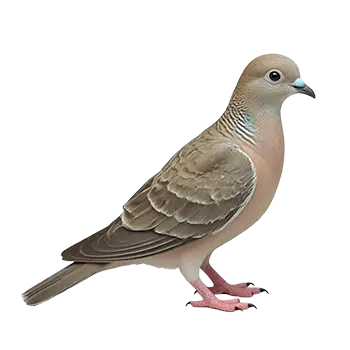

Technology in aviculture has evolved well beyond simple timers and thermometers. Modern devices allow Zebra Dove keepers to monitor environmental conditions continuously, observe bird behavior remotely, automate lighting and climate controls, and track health metrics digitally over time. For a species as quiet and behaviorally subtle as the Zebra Dove, technology fills an important gap: it captures data and patterns that even attentive owners might miss during their limited daily observation windows.
The value of technology in Zebra Dove care is not about replacing hands-on husbandry but about augmenting it. No camera or sensor replaces the keeper's judgment during a physical health check, and no automated feeder replicates the behavioral enrichment of hand-delivered fresh food. What technology does exceptionally well is maintain environmental consistency, detect gradual changes that escape human perception, provide oversight during the keeper's absence, and create quantitative records that support more informed care decisions.
Zebra Doves are tropical birds that thrive within a relatively narrow band of temperature and humidity conditions. Small deviations outside this range may not produce immediate visible symptoms but can erode the bird's health over weeks and months through chronic thermal stress, respiratory irritation from dry air, or immune suppression from temperature cycling. Continuous environmental monitoring catches these slow drifts before they produce clinical consequences, making it one of the highest-value technology applications for dove keepers.
Adopting technology does not require a large upfront investment or technical expertise. Many of the most useful devices for bird care are consumer-grade smart home products that happen to solve avicultural problems exceptionally well. A twenty-dollar temperature and humidity sensor with a smartphone app provides more useful environmental data than any amount of manual thermometer checking. A basic webcam pointed at the enclosure offers more behavioral insight during work hours than the most detailed morning observation. The key is selecting devices that address genuine care needs rather than accumulating technology for its own sake.