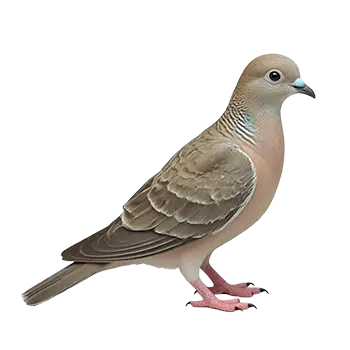

Essential Accessories Overview

Beyond the cage itself and the food that fills it, a well-equipped Zebra Dove setup requires a carefully chosen collection of accessories that support daily care, hygiene, health monitoring, and the occasional need for transport. The accessories market for birds is dominated by products designed for parrots and finches, many of which are poorly suited or outright unsafe for doves. Selecting the right items requires understanding the Zebra Dove's specific anatomy, behavior, and care requirements rather than defaulting to whatever is available on a pet store shelf.

The most essential accessories fall into a few core categories: feeding and watering equipment, perching and resting surfaces, bathing provisions, grooming and first-aid tools, cleaning supplies, and transport carriers. Each category contains products that range from adequate to excellent, and the differences between budget and quality options often come down to durability, ease of cleaning, and how well the product accommodates the specific habits of doves versus other bird types.

Investing in quality accessories at the outset saves money and frustration over time. Cheap plastic dishes crack and harbor bacteria in surface scratches. Flimsy perches splinter under even modest use. Carriers with poor latching mechanisms become escape risks during stressful veterinary visits. Each of these failures creates a problem that could have been avoided by spending moderately more on a well-designed product from the beginning. For a bird that may live a decade or longer, the per-year cost of quality accessories is negligible.

Accessories should also be evaluated for compatibility with the specific enclosure in use. A beautiful ceramic dish that does not fit through the cage door requires removing the bird for every feeding. A perch that is too long for the cage width must be trimmed and may not mount securely after modification. Measuring the enclosure's interior dimensions and door openings before purchasing accessories prevents these common mismatches and ensures that every item integrates smoothly into the bird's living environment.

Perches and Resting Surfaces

Perch design for Zebra Doves should prioritize flat or gently rounded surfaces over the cylindrical dowels that are standard in most parrot cages. Dove feet are structured differently from those of hookbills. Their toes are shorter, their grip strength is weaker, and they spend long periods standing in one position. A narrow, round perch forces the bird to maintain constant muscular tension to stay balanced, which contributes to foot fatigue and can eventually lead to pressure sores on the plantar surface known as bumblefoot. Flat perches, wooden shelves, and natural branches with irregular surfaces distribute the bird's weight more evenly and allow the foot to rest in a relaxed position.

Natural wood perches cut from safe hardwood species provide the best combination of comfort, foot health, and environmental enrichment. The irregular surface of a natural branch engages different parts of the foot with each step, promotes healthy circulation, and gives the bird a textured surface to rub its beak against for conditioning. Branches from apple, pear, maple, birch, and elm trees are all safe choices. The ideal diameter for a Zebra Dove perch falls between half an inch and three-quarters of an inch, allowing the toes to wrap partway around the surface without straining.

Platform perches, which are essentially small wooden shelves mounted inside the cage, serve double duty as resting surfaces and potential nesting sites. A platform measuring approximately five by seven inches, mounted at a moderate height with a slight lip to prevent eggs from rolling off, provides a secure resting spot that doves prefer over round perches for extended periods. Cork-covered or sisal-wrapped platforms offer additional foot traction and can be particularly beneficial for older birds with reduced grip strength.

Sandpaper perch covers, often marketed as nail-trimming aids, should be avoided entirely. These abrasive covers cause painful irritation to the delicate skin on the underside of the dove's feet, especially given the extended time doves spend standing in one place. Over weeks of use, sandpaper perches can create open sores that become infected and difficult to heal. Concrete and mineral perches are acceptable in moderation for beak and nail conditioning but should never be the bird's primary resting perch. One conditioning perch placed in a secondary position, where the bird steps on it occasionally but does not sleep on it, is sufficient.

Feeding and Watering Equipment

Zebra Doves eat and drink at ground level, and their feeding equipment should accommodate this natural behavior. Elevated seed cups mounted to cage bars, while standard equipment in most new cage purchases, are often ignored by doves that prefer to eat from a surface at or near floor level. Wide, shallow ceramic dishes placed directly on the cage floor or on a low platform are the most dove-appropriate feeding vessels. Ceramic is preferable to plastic because it resists scratching, does not harbor bacteria in surface imperfections, and has enough weight to stay in place when the bird stands on the rim.

Water dishes for Zebra Doves should be wide enough for the bird to comfortably submerge its bill and shallow enough to prevent accidental drowning, particularly if chicks or very young birds are present. A dish with a depth of roughly one inch and a diameter of four to five inches works well for a single bird or pair. Doves drink by a suction method, inserting their bill into the water and drawing it up without tilting their heads back, so the dish must allow unobstructed bill insertion. Tube-style water dispensers and bottle-fed systems designed for rodents are generally rejected by doves and should not be relied upon as primary water sources.

Seed guards and cage skirts help manage the mess that ground-feeding doves inevitably create. Zebra Doves flick seed husks and small debris while eating, and without some form of containment, this material scatters onto the surrounding floor. Fabric or mesh seed guards that attach around the lower portion of the cage catch much of this debris before it reaches the ground. Alternatively, placing the cage inside a shallow tray with raised edges achieves the same effect. These containment measures reduce daily cleanup time and prevent seed waste from attracting insects or rodents.

Separate dishes for grit, cuttlebone fragments, and supplements should be provided alongside the primary food and water vessels. Mixing grit directly into seed is sometimes recommended but prevents the bird from regulating its own grit intake, which healthy doves are capable of doing when given free-choice access. A small ramekin or shallow cup containing a blend of soluble and insoluble grit, refreshed weekly, allows the bird to consume grit as its digestive system demands. Cuttlebone can be mounted low on the cage wall or broken into pieces and placed in a dish, depending on the individual bird's preference.

Bathing and Grooming Accessories

Bathing is an important maintenance behavior for Zebra Doves that supports feather condition, skin health, and overall comfort. Most doves prefer to bathe in shallow standing water rather than under a spray, and providing a dedicated bathing dish two to three times per week gives the bird the opportunity to engage in this natural activity. The ideal bathing dish is heavy, stable, and shallow, no more than one inch of water in a vessel at least six inches in diameter. Ceramic pie dishes and shallow terracotta saucers work well and resist tipping when the bird splashes vigorously.

Dust bathing is equally important for Zebra Doves and should be offered as a complement to water bathing rather than a substitute. A dish of fine chinchilla dust or food-grade diatomaceous earth allows the bird to work dry, absorbent material through its feathers, which helps control feather parasites and removes excess oil from the plumage. Dust baths should be offered in a contained vessel to minimize dispersal throughout the cage, and the material should be replaced after each use to prevent the accumulation of dander and debris. Not every dove will readily dust-bathe in captivity, but most will adopt the behavior within a few weeks if the opportunity is consistently provided.

Nail maintenance is a periodic grooming need that most dove keepers will encounter. In the wild, Zebra Doves wear their nails naturally through extensive walking on abrasive ground surfaces. Captive birds housed on smooth substrates may develop overgrown nails that curl and impede walking. A small pair of bird nail clippers, designed for finch to cockatiel-sized birds, should be part of every dove keeper's toolkit. The key to safe nail trimming is identifying the quick, the vascularized core of the nail, and cutting only the transparent tip beyond it. Styptic powder should be on hand to stop bleeding in case the quick is accidentally nicked.

Mist spraying with a clean, fine-mist spray bottle provides an alternative or supplementary bathing method that some doves enjoy, particularly in dry indoor environments where humidity drops below comfortable levels. A gentle misting directed above the bird, allowing the droplets to settle like light rain, often triggers preening behavior and helps maintain feather moisture between full baths. The spray bottle should be dedicated exclusively to bird use, never repurposed from household cleaning, and filled with fresh lukewarm water at each use. Doves that are startled by misting should not be forced to accept it, as the stress negates any grooming benefit.

Travel and Transport Carriers

Every Zebra Dove owner needs a suitable transport carrier, even if the bird rarely leaves the house. Veterinary visits, emergency evacuations, and occasional relocations are inevitable over the course of a bird's life, and having an appropriate carrier ready eliminates the scramble to find a safe container in a stressful moment. The carrier should be small enough to prevent the bird from building up dangerous momentum during panic flights but large enough for the bird to stand, turn, and rest comfortably during transport.

Hard-sided carriers designed for small birds or small mammals, with secure latch mechanisms and adequate ventilation on multiple sides, are the safest option for dove transport. A carrier with interior dimensions of roughly twelve inches long by eight inches wide by eight inches tall accommodates a single Zebra Dove comfortably without excessive space. Cardboard boxes, while sometimes used in emergencies, are not reliable for repeated use because they offer poor ventilation, can be weakened by moisture, and do not provide secure containment if the bird panics. Clear-sided carriers allow the owner to monitor the bird during transport but may increase stress if the bird is exposed to unfamiliar visual stimuli; partially covering the carrier with a towel can mitigate this.

The carrier floor should be lined with a non-slip surface to prevent the bird from sliding during vehicle movement. A layer of paper towel over a non-skid shelf liner provides both traction and absorbency. A small amount of seed scattered on the carrier floor and a shallow water dish secured so it cannot tip are appropriate for short trips. For longer journeys exceeding an hour, a small piece of fruit or moistened vegetable provides hydration without the spill risk of an open water container.

Carrier acclimation is an often-neglected step that significantly reduces transport stress. Leaving the open carrier in or near the bird's enclosure for several days before a planned trip allows the dove to investigate it at its own pace and reduces the association between the carrier and stressful experiences. Placing a small amount of seed or a familiar perch inside the carrier encourages voluntary entry. A dove that has been gradually acclimated to its carrier will enter more calmly and travel with less distress than one that is chased, caught, and placed into an unfamiliar container.

First Aid and Health Supplies

A basic avian first-aid kit is an essential accessory for any Zebra Dove keeper. Bird emergencies frequently occur outside veterinary office hours, and having the right supplies on hand can stabilize a sick or injured bird until professional care is available. The kit does not need to be elaborate, but it should contain a few key items that address the most common emergency scenarios: bleeding, injury, heat loss, and dehydration.

Styptic powder or a styptic pencil is the single most critical first-aid item for bird owners. Broken blood feathers and nail injuries are the most frequent causes of acute bleeding in captive doves, and a bleeding bird can lose a dangerous volume of blood in a short time relative to its small body mass. Applying styptic powder to a bleeding nail or feather shaft stops hemorrhage quickly. Cornstarch or baking flour can serve as emergency substitutes if styptic powder is unavailable, though they are less effective. A small pair of hemostats or needle-nose pliers should accompany the styptic powder for extracting broken blood feathers that continue to bleed despite external styptic application.

A heat source is critical for stabilizing a sick or injured dove. Birds that are unwell lose body heat rapidly, and hypothermia compounds whatever underlying condition triggered the crisis. A small heating pad set to its lowest setting, placed beneath one half of a hospital cage or carrier, allows the bird to move toward or away from the warmth as needed. Chemical hand warmers wrapped in a towel provide portable heat during transport to a veterinary clinic. The bird should never be placed directly on an uncovered heating pad, as burns can occur even at low settings.

Oral rehydration supplies round out the essential first-aid kit. A small syringe or eyedropper allows the careful administration of fluids to a dehydrated bird. Commercially available avian electrolyte solutions are ideal, but a homemade solution of warm water with a small amount of sugar and a pinch of salt can substitute in an emergency. Fluid administration must be extremely careful in doves, as their small size makes aspiration pneumonia a serious risk if liquid enters the airway. Drops should be placed at the side of the beak and allowed to be swallowed voluntarily rather than forced into the throat.

A gram scale capable of measuring in one-gram increments is an accessory that many keepers overlook but experienced aviculturists consider indispensable. Daily weight monitoring is the single most sensitive early indicator of illness in small birds. A Zebra Dove that drops even five percent of its body weight over a few days may be in the early stages of a disease process that has not yet produced visible symptoms. Recording the bird's weight at the same time each morning, before feeding, creates a baseline that makes meaningful weight changes immediately apparent.

Cleaning and Maintenance Supplies

Maintaining hygienic conditions in a Zebra Dove enclosure requires a dedicated set of cleaning supplies that are effective against avian pathogens without introducing chemical hazards into the bird's environment. The cleaning toolkit should include a stiff-bristled brush for scrubbing perches and cage bars, a bottle brush for water and food containers, a handheld vacuum or dustpan for substrate removal, a dedicated sponge or cloth for surface wiping, and a spray bottle containing the primary cage disinfectant.

Bird-safe disinfectants differ significantly from general household cleaners. Many common cleaning products, including those containing ammonia, bleach at high concentrations, pine oil, phenol, or synthetic fragrances, release fumes that can damage the delicate avian respiratory system. Dilute white vinegar is the simplest and safest general-purpose cleaner for daily cage wiping, effective at cutting through organic residue and mild enough to use with the bird nearby. For deeper disinfection during weekly cleanings, products specifically formulated for avian use provide stronger antimicrobial action without toxic residue when used according to label directions.

Cage liners and substrate materials should be purchased in bulk to ensure a consistent supply. Running short on cage paper or substrate material often leads to delayed cage changes, which directly affects the bird's exposure to accumulated droppings and bacterial growth. Rolls of unprinted newsprint, butcher paper, or purpose-made cage liner paper are economical in quantity and easy to cut to size. Bags of aspen shavings or washed play sand for aviary floors should be stored in dry, sealed containers to prevent contamination and moisture absorption.

A schedule posted near the cage serves as a practical management tool that ensures no maintenance task is overlooked. The schedule should track daily tasks such as food and water changes, substrate spot-cleaning, and fresh food removal alongside weekly tasks like full cage disinfection, perch scrubbing, and grit replacement. Monthly items, including thorough hardware inspections, deep substrate changes in aviaries, and accessory rotation or replacement, should also appear on the calendar. This systematic approach prevents the gradual decline in enclosure hygiene that occurs when cleaning relies on memory and visual assessment alone.

Always consult a qualified professional before making any health-related decisions. This content is provided for informational reference only and should not replace professional guidance specific to your animal.