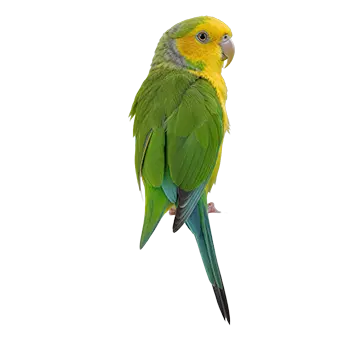

The case for technology-assisted monitoring is arguably stronger for small parrots like the Yellow-Faced Parrotlet than for their larger relatives, precisely because the signs of illness and environmental distress are harder to detect in a bird that weighs barely an ounce. Parrots of all sizes are masters of masking illness, an evolutionary adaptation that prevents them from appearing vulnerable to predators and flock mates. In a large parrot, subtle behavioral changes may still be visible to an attentive owner across the room. In a parrotlet, those same changes can be imperceptible without close observation, and by the time symptoms become obvious to the naked eye, the condition may have progressed to a critical stage.
Technology fills this detection gap by providing continuous, objective data that complements but does not replace daily hands-on observation. A digital scale that logs daily weight changes can identify a downward trend days before the bird looks visibly thin. An environmental sensor that tracks temperature and humidity around the clock can reveal overnight drops or daytime spikes that the owner, asleep or at work, would never know about. A camera that records behavior while the owner is away can expose signs of distress, lethargy, or abnormal repetitive movements that the bird may suppress when a human is present.
The technology landscape for pet bird care has expanded significantly in recent years, driven by the broader consumer adoption of smart home devices and the growing recognition among avian veterinarians that data-driven care produces better health outcomes. Products that were unavailable or prohibitively expensive a decade ago are now accessible, affordable, and often designed with companion animals specifically in mind. The challenge for parrotlet owners is not finding technology but selecting the right devices and integrating them into a care routine without overcomplicating daily life.
It is worth emphasizing that no amount of technology substitutes for competent veterinary care, a well-designed diet, and daily direct interaction with the bird. Monitoring devices are tools that enhance the owner's ability to detect problems early and respond appropriately, but they do not diagnose conditions, prescribe treatments, or provide the social engagement that a parrotlet needs from its human flock. Technology works best when it serves as an early warning system that triggers timely human and veterinary action.