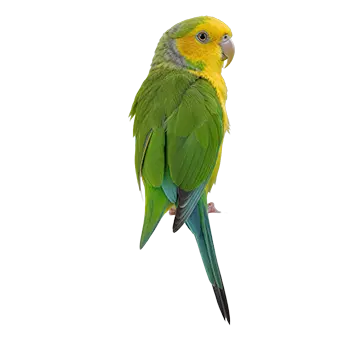

The feeding and watering setup for a Yellow-Faced Parrotlet requires more thought than simply placing any small dish in the cage. These active, curious birds interact with their food and water containers constantly, and the design of those containers affects hygiene, food waste, water quality, and even the bird's willingness to eat and drink adequately throughout the day. Choosing the right feeding accessories prevents common problems before they start and reduces the daily maintenance burden on the owner.
Stainless steel coop cups that hook onto cage bars are the standard recommendation for parrotlet feeding stations. They are easy to remove for cleaning, resistant to tipping, and do not harbor bacteria in cracks or porous surfaces the way plastic dishes can over time. The cup size for a parrotlet should be small enough that food does not pile up and go stale before being consumed but large enough for the bird to eat from comfortably. A cup diameter of two to three inches is appropriate for most individuals. Locking coop cup holders prevent the bird from unhooking and dropping the dish, which is a game some parrotlets learn quickly and never tire of.
Water delivery is an area where owners have several options, each with distinct advantages. Open water dishes provide natural access and allow the bird to bathe if inclined, but they also collect food debris, droppings, and feather dust within hours. Water bottles with sipper tubes maintain cleaner water for longer periods and eliminate the drowning risk that exists with deep open dishes, but they require regular disinfection of the tube and ball valve to prevent biofilm buildup. Some owners use both systems, offering a bottle for primary hydration and a shallow dish for bathing, which balances hygiene with the bird's behavioral needs.
Seed guards and splash guards are accessories that attach to the cage around feeding stations to contain the mess that parrotlets inevitably create during meals. Parrotlets are hull-and-scatter feeders that crack seeds, discard hulls, and fling food with considerable energy, and without containment, seed hulls and food fragments accumulate on floors and furniture around the cage. Clear acrylic seed guards that clip to the cage exterior provide effective containment without obstructing the bird's view or the owner's access to the cage interior.