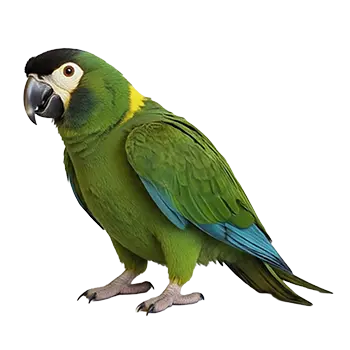

Remote camera systems have become one of the most valuable technology investments for Yellow-Collared Macaw owners, particularly those who spend significant portions of the day away from home for work or other obligations. A well-positioned camera provides real-time visual access to the bird's behavior, activity level, and physical condition, offering reassurance during normal days and early warning when something is wrong. Birds that are fluffed, lethargic, sitting on the cage floor, or exhibiting unusual postures can be identified through a camera feed hours before the owner would otherwise arrive home, allowing veterinary consultation or an early return when warranted.
Camera selection for bird monitoring should prioritize high-definition resolution, wide-angle lens coverage, and reliable low-light performance. A resolution of at least 1080p is necessary to observe fine details like feather condition, eye clarity, and dropping consistency at the distances typically involved. Wide-angle lenses covering 120 to 150 degrees capture the full cage and surrounding area in a single frame, eliminating blind spots where important behavior might go unobserved. Night vision or infrared capability allows monitoring during the bird's sleeping hours, which is useful for detecting night frights, restless sleeping, or unusual overnight activity without disturbing the bird with visible light.
Two-way audio is a camera feature that carries specific implications for parrot owners. The ability to speak to the bird through the camera's speaker can be soothing for a social species like the Yellow-Collared Macaw, and some birds respond positively to hearing their owner's voice during the day. However, this feature should be used judiciously, as sudden unexpected voices from the camera can startle the bird, and some individuals become confused or frustrated by hearing a familiar voice without the corresponding physical presence. Testing the bird's response to remote audio under supervised conditions before relying on it during absences establishes whether the feature is beneficial or counterproductive for that particular bird.
Motion-activated recording and alert systems add a layer of security and behavioral documentation. A camera that begins recording when it detects movement near the cage captures events the owner would otherwise miss entirely: the bird's reaction to sudden noises, interactions with other household pets that approach the cage, escape attempts, and the timing and duration of active versus resting periods throughout the day. Reviewing this footage provides insights into the bird's daily behavioral patterns that inform enrichment planning, cage placement decisions, and identification of environmental stressors.