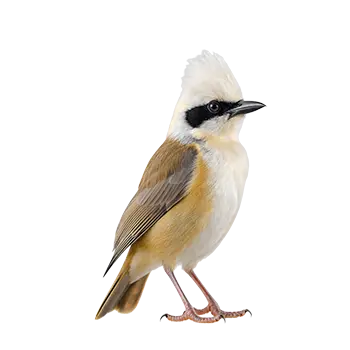

White-crested Laughingthrushes are among the most behaviorally complex softbill species in aviculture, and their enrichment requirements reflect an intelligence and social sophistication that rivals many parrot species. In the wild, these birds spend their days in constant purposeful activity, turning over leaf litter in search of invertebrates, coordinating group foraging movements through dense undergrowth, engaging in elaborate vocal duets and choruses, and maintaining intricate social hierarchies within their flock. A captive environment that fails to provide outlets for these behaviors produces birds that are physically present but psychologically diminished, manifesting their frustration through repetitive movements, excessive vocalization, feather picking, and aggression toward cage mates.
The enrichment needs of laughingthrushes differ fundamentally from those of hookbills, and keepers transitioning from parrot experience must adjust their thinking accordingly. Parrots are manipulators that use their beaks and feet as tools to disassemble, chew, and explore objects, which is why parrot toys emphasize destructible materials, puzzles with moving parts, and items that can be held and rotated. Laughingthrushes interact with their environment primarily through their feet and bills in a foraging context, scratching through substrate, flipping objects, probing into crevices, and tossing items aside to access food hidden beneath. Effective enrichment for this species centers on foraging opportunities, environmental complexity, and social interaction rather than on chew toys and hanging puzzles.
The social dimension of laughingthrush enrichment cannot be overstated. These birds derive enormous behavioral satisfaction from interacting with flock mates, and no amount of physical enrichment can substitute for appropriate social housing. A solitary laughingthrush in a toy-filled aviary remains a deprived bird, while a small flock in a simpler environment with adequate foraging substrate may display a full behavioral repertoire. Enrichment products and strategies should be designed to complement social housing rather than replace it, enhancing the group dynamic by providing shared activities and foraging opportunities that the birds can engage in collectively.
Seasonal variation in enrichment keeps the environment fresh and prevents habituation, which occurs when the same stimuli are present for so long that the birds stop responding to them. Just as the natural environment shifts with seasons, bringing different food sources, nesting materials, and environmental conditions, the captive enrichment program should rotate materials, change layouts, and introduce novel elements on a regular cycle. This does not require expensive purchases; it requires planning and creativity on the keeper's part.