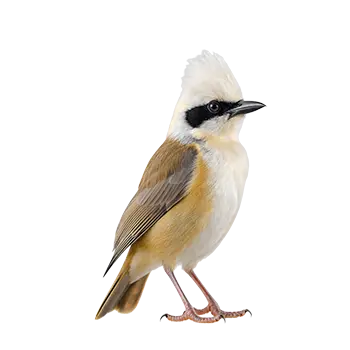

White-crested Laughingthrushes are true omnivores with a dietary profile that sets them apart from the seed-eating psittacines most bird owners are familiar with. In the wild, these birds forage along the forest floor and through dense undergrowth in the montane forests of southern China and northern Vietnam, consuming a shifting mix of invertebrates, soft fruits, berries, and occasional small vertebrates. Replicating this dietary breadth in captivity is the central challenge of feeding this species, and the consequences of getting it wrong range from feather degradation and weight loss to organ failure and dramatically shortened lifespans.
Protein is the cornerstone of the laughingthrush diet. Unlike granivorous species that derive much of their energy from carbohydrates and fats, laughingthrushes rely heavily on animal-source protein for muscle maintenance, feather production, and reproductive health. Insects and other invertebrates should constitute a substantial proportion of daily intake, providing not only protein but also essential amino acids, chitin, and micronutrients that plant-based foods cannot fully deliver. During the breeding season or periods of molt, protein requirements increase further, and keepers must be prepared to adjust the diet accordingly.
Fruit and plant matter fulfill the carbohydrate and micronutrient portions of the diet. White-crested Laughingthrushes are drawn to soft, sweet fruits in the wild, and captive birds generally accept a wide variety of tropical and temperate fruits with enthusiasm. The sugar content of fruit provides quick energy for this highly active species, while the fiber, vitamins, and antioxidants support digestive health and immune function. However, fruit alone cannot sustain a laughingthrush, and keepers who over-rely on fruit at the expense of protein sources will see steady health decline.
Calcium and iron metabolism deserve particular attention in softbill species. Laughingthrushes, like many other softbills, can be susceptible to iron storage disease if fed diets excessively high in iron or if iron absorption is not modulated by appropriate dietary choices. At the same time, calcium intake must be adequate to support bone density, egg production in breeding hens, and overall metabolic function. Balancing these competing mineral concerns requires careful product selection and an understanding of how different food items interact nutritionally.