
Monitoring Needs

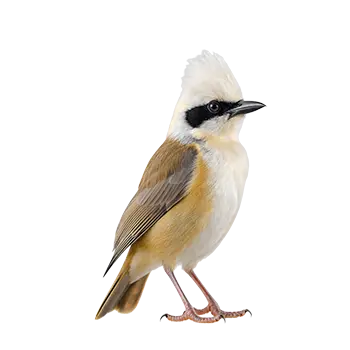
White-crested Laughingthrushes are a species whose health and behavioral wellbeing depend heavily on environmental conditions that are invisible to the casual observer. Temperature fluctuations, humidity drops, air quality degradation, and subtle changes in light intensity all affect these birds in ways that may not produce obvious symptoms until a problem has become serious. Technology fills the gap between what the keeper can perceive with their senses and what the birds actually experience, transforming environmental management from guesswork into data-driven precision. For a species with specific climatic origins in the humid montane forests of southeastern Asia, this precision is not a luxury but a practical necessity.

The monitoring needs of laughingthrush keepers cluster around four domains: climate, which encompasses temperature and humidity; air quality, which includes particulate levels, volatile organic compounds, and ventilation adequacy; lighting, which covers intensity, spectrum, and photoperiod management; and behavioral observation, which relies on visual monitoring to detect early signs of illness, social disruption, or environmental stress. Each domain has its own set of technological solutions ranging from inexpensive standalone sensors to integrated smart systems that automate responses to changing conditions.

The value of continuous monitoring becomes apparent during the periods when the keeper is not physically present. Laughingthrushes are affected by nighttime temperature drops, daytime humidity fluctuations during work hours, and air quality changes caused by household activities like cooking and cleaning that may occur in adjacent rooms. A monitoring system that logs environmental data continuously and alerts the keeper when parameters move outside acceptable ranges catches problems that periodic manual checks would miss, and the historical data it accumulates reveals trends and patterns that inform long-term husbandry improvements.

Technology adoption should be proportional to the complexity of the keeping situation. A pair of laughingthrushes in a dedicated bird room with stable climate control may need only basic temperature and humidity monitoring. A larger flock in an outdoor aviary subject to seasonal extremes may benefit from a comprehensive sensor network with automated climate responses. Breeding programs where environmental conditions influence reproductive success justify the most sophisticated monitoring and control systems. The goal is not to accumulate gadgets but to deploy technology strategically where it addresses genuine monitoring gaps in the specific keeping arrangement.

What to Look For

Selecting technology products for aviary use requires attention to factors that do not apply to standard consumer electronics. The environment around bird enclosures is challenging for sensitive equipment: humidity levels are deliberately elevated, organic dust and dander circulate in the air, and water spray from bathing and misting systems can reach nearby surfaces. Any device placed near or inside the enclosure must tolerate these conditions without corrosion, sensor drift, or electrical failure. Look for products with sealed enclosures, conformal-coated circuit boards, and ingress protection ratings of at least IP44, which indicates protection against splashing water and solid particles larger than one millimeter.

Wireless connectivity has become standard in environmental monitoring products and offers significant advantages for aviary applications. Wireless sensors can be placed inside or directly adjacent to the enclosure without running cables that birds might chew or that complicate cleaning routines. Devices that communicate via low-power protocols like Bluetooth Low Energy or Zigbee offer extended battery life measured in months rather than days, reducing the maintenance burden of frequent battery changes. Products that connect to a central hub or directly to a home network allow data to be accessed remotely via smartphone applications, which is particularly valuable for keepers who are away from home during working hours.

Accuracy and calibration matter more than precision for aviary monitoring. A temperature sensor that reads consistently two degrees high is less useful than one that reads within half a degree of the true temperature, even if the first sensor displays values to one-tenth of a degree. When evaluating sensors, look for stated accuracy specifications rather than display resolution, and prefer products from manufacturers that provide calibration certificates or allow user calibration against a known reference. Humidity sensors are particularly prone to drift over time and should be recalibrated or replaced annually to maintain reliable readings.

Alarm and notification capabilities transform monitoring devices from passive data loggers into active safety systems. The most useful products allow the keeper to set custom threshold values for each parameter and receive immediate notifications via push alert, text message, or email when a threshold is breached. This capability is essential for critical parameters like temperature, where a heater failure on a cold night could expose the birds to dangerous conditions before the keeper's next physical check. Products that offer only on-device alarms without remote notification capability have limited value for keepers who are not always within earshot of the aviary.

Temperature and Humidity Sensors

Temperature and humidity are the two environmental parameters that most directly affect the day-to-day comfort and long-term health of captive White-crested Laughingthrushes, and monitoring them is the first technological investment most keepers should make. The species tolerates a temperature range of approximately fifty-five to eighty-five degrees Fahrenheit but thrives in the sixty-five to seventy-five degree window, and maintaining conditions within this range requires awareness of actual enclosure conditions rather than reliance on room thermostat readings, which often differ significantly from conditions inside or immediately adjacent to the aviary.

Combined temperature and humidity sensors offer the most practical monitoring solution for most keepers, as both parameters are relevant and the devices that measure them are typically packaged together. Digital hygrometer-thermometer units with remote probes allow the display unit to be positioned outside the enclosure where it is easily read while the sensing probe sits inside the enclosure at bird level, measuring conditions where the birds actually live. Multiple probes placed at different locations within a large aviary reveal temperature and humidity gradients that a single sensor would miss, such as the cooler, more humid conditions near floor-level substrate versus the warmer, drier air near the ceiling.

Data-logging sensors that record readings at regular intervals and store or transmit them for later review provide insights that real-time-only displays cannot. Reviewing twenty-four-hour temperature and humidity graphs reveals patterns such as overnight temperature drops, midday humidity crashes when heating systems cycle, and the environmental impact of routine activities like opening windows or running kitchen exhaust fans. Over weeks and months, this data builds a detailed picture of the enclosure's environmental behavior that guides improvements in climate control strategy. Many modern sensors upload data to cloud platforms that generate graphs, trend analyses, and downloadable records automatically.

Sensor placement requires thought to ensure readings are representative of conditions the birds experience. Placing a sensor in direct sunlight, near a heat emitter, or in a draft produces readings that reflect those localized conditions rather than the general enclosure environment. The ideal sensor position is at the birds' typical perching or roosting height, shielded from direct radiant heat sources and air vents, and protected from direct water exposure. For enclosures with significant environmental variation between zones, two or three sensors positioned in different areas provide a more complete picture than a single sensor in one location.

Camera and Visual Monitoring Systems

Camera systems serve multiple functions in laughingthrush husbandry, from security monitoring and behavioral observation to breeding documentation and veterinary consultation support. The ability to watch the birds remotely during hours when the keeper is away from home reveals behaviors, interactions, and potential problems that would otherwise go unobserved. Nighttime footage is particularly valuable, as it can reveal nocturnal disturbances from predators, temperature-related huddling or panting, and roosting dynamics that indicate social stress within the flock.

Wireless cameras designed for home security applications translate well to aviary use with minimal modification. Products offering high-definition video, infrared night vision, two-way audio, and cloud or local storage provide a comprehensive monitoring capability at consumer price points. The night vision feature is especially important for laughingthrush monitoring, as it allows observation of roosting behavior without disturbing the birds with visible light. Two-way audio capability, while primarily designed for home security communication, can be used to play back recordings of the keeper's voice to the birds during extended absences, providing a measure of social continuity.

Camera placement should prioritize coverage of key behavioral zones rather than attempting to capture every corner of the enclosure. The feeding area, primary bathing station, roosting site, and any nesting location during breeding season are the highest-priority viewing angles. A single wide-angle camera positioned above the enclosure looking down provides a good general overview, while a second camera at bird level captures facial expressions, foot condition, and close-up behavioral details that overhead angles miss. Cameras should be mounted outside the enclosure or protected by housings that prevent the birds from accessing and damaging them, and cable runs must be secured where birds cannot reach and chew them.

Recorded footage becomes a valuable veterinary tool when health concerns arise. Video of a bird's behavior, gait, breathing pattern, and social interactions can be shared with an avian veterinarian in advance of or in lieu of an in-person visit, allowing the clinician to assess the situation with context that a brief examination room encounter cannot provide. Time-lapse compilations of feeding behavior, activity levels, and droppings output over several days can help identify declining trends that might not be obvious from any single observation. Keepers who maintain organized video archives organized by date can reference historical footage to establish behavioral baselines against which current behavior can be compared.

Lighting and Timer Systems

Lighting technology plays a critical role in the health and behavioral management of captive White-crested Laughingthrushes, particularly for birds housed indoors where natural daylight is limited or absent. Birds perceive light differently from humans, with visual sensitivity extending into the ultraviolet spectrum that standard household lighting does not emit. Full-spectrum lighting that includes ultraviolet A and B wavelengths is essential for indoor-housed laughingthrushes, supporting vitamin D3 synthesis for calcium metabolism, enabling normal color perception for social signaling and food identification, and regulating the hormonal cycles that govern molt, breeding readiness, and overall behavioral rhythms.

Full-spectrum fluorescent and LED fixtures designed specifically for avian use are available from several manufacturers and represent a significant improvement over standard household lighting for bird rooms. These fixtures emit light across the visible spectrum including UVA and UVB wavelengths that support the biological processes standard lights cannot. When selecting avian lighting, verify that the product specifies UVB output in microwatts per square centimeter at the intended mounting distance, as some products marketed as full-spectrum for birds emit negligible ultraviolet radiation despite the labeling. The fixture should be mounted at a distance that delivers UVB intensity within the manufacturer's recommended range for the species' needs, typically twelve to eighteen inches from the nearest perching surface.

Timer systems automate the light cycle and eliminate the variability of manual switching, which is important because consistent photoperiod management directly influences hormonal regulation in birds. Programmable digital timers allow the keeper to set precise on and off times and adjust them gradually through the seasons to simulate natural daylength changes. A spring photoperiod of thirteen to fourteen hours of light gradually lengthening from a winter baseline of ten to eleven hours mimics the seasonal cycle that would cue breeding behavior in wild laughingthrushes. Abrupt photoperiod changes should be avoided because they can trigger hormonal disruptions, abnormal molt timing, and behavioral stress.

Dimming capability adds a layer of naturalism to the lighting program that benefits the birds' daily behavioral rhythm. In nature, light transitions gradually at dawn and dusk, giving birds time to wake, begin activity, and eventually settle into roosting positions. A lighting system with programmable dimming ramps that simulate a thirty to sixty minute dawn and dusk transition eliminates the jarring effect of sudden illumination changes and reduces the startle responses and disorientation that abrupt switching can cause. Some advanced lighting controllers also allow midday intensity peaks and afternoon dimming that approximate the light curve of a natural day, though simpler systems that manage only dawn and dusk transitions still provide substantial behavioral benefit.

Air Quality and Filtration

Air quality management is an underappreciated aspect of laughingthrush husbandry that has significant implications for respiratory health, feather condition, and overall vitality. Birds have highly efficient respiratory systems with air sacs that extend throughout the body cavity, making them far more sensitive to airborne contaminants than mammals of comparable size. Particulate matter from feather dust, substrate particles, and dried droppings, volatile organic compounds from household products and cooking, and airborne microorganisms from food waste and standing water all contribute to the air quality burden in and around bird enclosures, and managing these factors requires both good ventilation practices and appropriate filtration technology.

HEPA air purifiers are the most effective technological tool for managing particulate air quality in bird rooms. True HEPA filters capture particles down to 0.3 microns in diameter with an efficiency of at least 99.97 percent, which encompasses the feather dust, dander, and fine substrate particles that are the primary airborne irritants in bird environments. The purifier should be sized appropriately for the room volume where the birds are housed, with a clean air delivery rate sufficient to cycle the room's air volume multiple times per hour. Positioning the unit where it draws air from the area around the enclosure and exhausts filtered air back into the room maximizes the capture of bird-generated particles at their source.

Activated carbon filtration, often included as a secondary filter stage in HEPA purifiers, addresses gaseous pollutants and odors that particle filtration alone cannot remove. The metabolic waste products of birds, decomposing food waste, and damp substrate all generate volatile compounds that contribute to odor and may irritate the respiratory systems of both birds and humans sharing the space. Carbon filters adsorb these compounds effectively but have a limited capacity and must be replaced on the manufacturer's recommended schedule to maintain performance. Some keepers in rooms with persistent odor challenges add a standalone activated carbon filter to supplement the carbon stage in their HEPA unit.

Ventilation is the foundation upon which filtration technology builds, and no amount of filtration can substitute for adequate fresh air exchange. Indoor bird rooms should have a means of introducing fresh outdoor air, whether through operable windows, dedicated ventilation fans, or connection to the building's HVAC system with appropriate filtering. Air exchange rates of at least six to ten room volumes per hour are recommended for spaces housing birds, with higher rates advisable for rooms with multiple enclosures or large flocks. Exhaust fans positioned to draw air away from the birds and out of the room create directional airflow that carries contaminants away from the breathing zone rather than recirculating them.

Air quality monitors that measure particulate matter concentrations, carbon dioxide levels, and volatile organic compound levels provide objective data on conditions that the human nose and lungs may not perceive accurately. Compact consumer-grade air quality monitors have become affordable and accurate enough to serve as useful tools for bird room management, displaying real-time readings and logging trends that reveal the impact of specific activities like substrate changes, cooking in adjacent rooms, or seasonal ventilation adjustments on the air the birds breathe.

Smart Integration and Automation

Smart home technology offers laughingthrush keepers the ability to integrate individual monitoring and control devices into coordinated systems that respond automatically to changing conditions, reducing the manual intervention required to maintain optimal enclosure environments. The convergence of affordable wireless sensors, internet-connected controllers, and smartphone-based management platforms makes aviary automation accessible to hobbyist keepers without requiring specialized technical knowledge or professional installation.

The most immediately valuable automation involves linking environmental sensors to climate control devices through conditional rules. A temperature sensor connected to a smart plug powering a ceramic heat emitter can activate heating automatically when the enclosure temperature drops below a set threshold and deactivate it when the target temperature is reached, maintaining stable conditions through cold nights without keeper intervention. Similarly, a humidity sensor linked to a misting system or humidifier can trigger moisture delivery when ambient humidity falls below the target range and pause it when adequate humidity is restored. These simple automations address the most consequential environmental variables and provide peace of mind during the periods when the keeper cannot respond manually.

Lighting automation through smart bulbs or smart switches connected to programmable schedules ensures consistent photoperiod management without relying on the keeper's memory or physical presence at sunrise and sunset times. Advanced smart lighting systems can simulate gradual dawn and dusk transitions by dimming lights incrementally over a programmed period, and seasonal schedule adjustments can be programmed weeks or months in advance so the light cycle shifts gradually without requiring manual timer updates. Some systems allow different zones within a bird room to operate on independent schedules, which is useful for keepers managing multiple enclosures with different photoperiod needs.

Notification and alerting capabilities tie the entire monitoring system together by ensuring the keeper is informed of significant events or threshold breaches regardless of their physical location. Push notifications sent to a smartphone when temperature drops below a critical threshold, humidity falls out of range, or a camera detects motion during unexpected hours provide immediate awareness of conditions that require attention. The most sophisticated systems allow the keeper to respond remotely, activating backup heating, adjusting misting schedules, or reviewing live camera feeds from anywhere with an internet connection. This remote management capability is particularly valuable during travel, allowing the keeper or a designated caretaker to monitor and adjust conditions without being physically present at the aviary.

Integration complexity should be managed carefully to avoid creating systems so elaborate that troubleshooting becomes difficult and single points of failure can cascade into multiple system outages. A sound approach is to build automation incrementally, starting with the most critical functions like temperature control and adding layers of sophistication as the keeper gains confidence with the technology. Every automated system should have a manual backup mode so that equipment continues to function if the smart controller, internet connection, or cloud service experiences an outage. Redundancy in critical systems, such as a secondary thermostatic heater that operates independently of the smart system, ensures that the birds remain protected even when technology fails.

Always consult a qualified professional before making any health-related decisions. This content is provided for informational reference only and should not replace professional guidance specific to your animal.