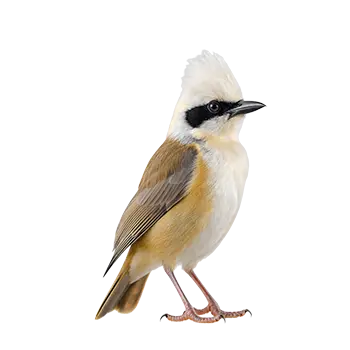

Equipping a White-crested Laughingthrush enclosure with the right accessories transforms a bare cage or aviary into a functional habitat that supports the bird's physical health, behavioral needs, and long-term wellbeing. The accessory requirements for softbill species differ in important ways from those of hookbills, and keepers who stock their laughingthrush setup using a parrot supply checklist will end up with equipment that is poorly suited to the species' ground-foraging lifestyle, bathing habits, and social dynamics. Understanding which accessories are genuinely essential versus merely conventional saves money and avoids cluttering the enclosure with items that serve no useful purpose.
The core accessory categories for laughingthrush keeping include perching, feeding and watering equipment, bathing facilities, substrate management tools, and transport carriers. Beyond these fundamentals, seasonal accessories, grooming supplies, and specialized breeding equipment round out the inventory for keepers who maintain their birds through all life stages and calendar conditions. Each category involves choices that affect daily husbandry efficiency, and investing in quality items upfront consistently proves more economical than replacing cheap alternatives that corrode, break, or prove impractical within months.
Accessory selection should be guided by the specific demands of the species rather than by aesthetic preferences or marketing claims. Laughingthrushes are not heavy chewers, so the indestructibility that drives parrot accessory design is less relevant. They are, however, exceptionally active, vigorous bathers, and enthusiastic ground foragers, which means their accessories must withstand constant physical impact, frequent water exposure, and regular contact with organic debris. Materials that tolerate daily washing without degrading, hardware that remains secure under repeated vibration, and designs that facilitate quick disassembly for cleaning are the practical priorities that should guide purchasing decisions.
Scaling accessory quantities to flock size is a consideration that new keepers sometimes overlook. A pair of laughingthrushes requires a minimum of two feeding stations and two water sources to prevent resource guarding, but a flock of four to six birds may need three or four of each to ensure all individuals can feed and drink without competition stress. Perching must be abundant enough that every bird can roost at a comfortable height without being crowded, and bathing facilities should accommodate the simultaneous use that these gregarious bathers prefer.