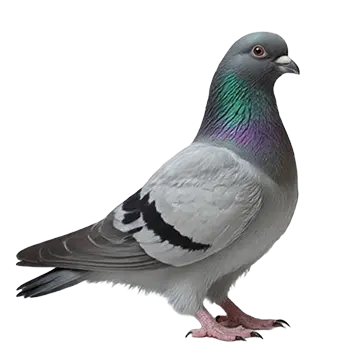

Tumbler Pigeons are intelligent, socially oriented birds with active minds that require stimulation beyond the basics of food and shelter. While their primary form of enrichment is free flight, which exercises their bodies and engages their navigational instincts, the hours spent inside the loft also need to be mentally engaging. A loft devoid of environmental variety produces bored, stressed birds that may develop behavioral problems such as feather plucking, excessive aggression toward loft mates, or reluctance to fly with enthusiasm.
Enrichment for pigeons operates on a different framework than enrichment for hookbill species like parrots. Pigeons do not manipulate objects with their feet or engage with puzzle toys in the way that psittacines do. Instead, pigeon enrichment centers on activities that align with their natural behavioral repertoire: foraging for food scattered across varied surfaces, bathing, preening, sunbathing, courtship displays, and exploring changes in their environment. Products and strategies designed for pigeon enrichment must work within these natural behaviors rather than imposing interaction styles borrowed from unrelated species.
The quality of enrichment available to loft-kept Tumblers directly affects their flying performance. Birds that are mentally engaged and physically comfortable in the loft are calmer, healthier, and more responsive during training. Conversely, birds kept in barren, monotonous environments often exhibit elevated stress hormones that manifest as erratic flight behavior, poor kit cohesion, and increased susceptibility to illness. Investing in enrichment is not a luxury but a practical component of maintaining a team of Tumblers at their competitive best.
Enrichment should be varied and rotated regularly. Even the most stimulating object or setup loses its enrichment value once it becomes a permanent, unchanging fixture. Introducing new elements on a weekly or biweekly rotation keeps the environment novel and maintains the birds' interest. The rotation need not involve expensive products; rearranging existing perches, changing the foraging substrate, or introducing a new bathing dish can provide meaningful environmental novelty at minimal cost.