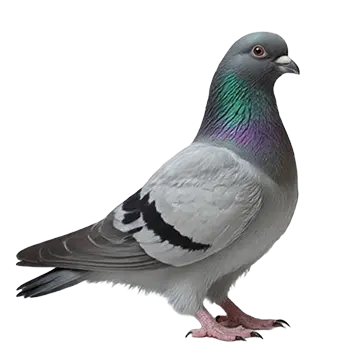

Tumbler Pigeons are performance birds whose dietary requirements differ meaningfully from those of ornamental or utility pigeon breeds. The acrobatic tumbling and rolling maneuvers that define the breed demand sustained muscular power, rapid neurological coordination, and cardiovascular endurance. A diet that merely keeps a pigeon alive will not support the athletic output expected of a well-conditioned Tumbler. Every aspect of feed selection should be evaluated against the goal of maintaining a bird that is lean, muscular, and responsive in flight.
Protein is the cornerstone of a Tumbler Pigeon's diet, particularly during the breeding season and the juvenile growth phase when flight muscles are developing. Adult Tumblers in active flying condition generally require a diet containing twelve to sixteen percent crude protein, with the higher end appropriate during the molt and breeding. Excessive protein, however, can lead to kidney stress and unwanted weight gain, so the balance must be managed carefully rather than simply maximized.
Carbohydrates supply the immediate energy that fuels flight. Grains such as corn, wheat, and milo provide readily available carbohydrate energy, but their proportions must be adjusted seasonally. During cold weather or periods of heavy flying, a higher percentage of corn in the mix delivers the caloric density needed to maintain body condition. In warmer months or rest periods, reducing corn and increasing lighter grains like wheat and barley prevents the birds from carrying excess body fat that impairs tumbling performance.
Fats are essential but must be carefully controlled. Safflower seeds, flaxseed, and small amounts of hemp seed provide omega fatty acids that support feather quality and overall metabolic function. An excessively fatty diet makes Tumblers sluggish and heavy, directly undermining the agility that defines the breed. Most experienced fanciers keep fat content in the overall mix between three and six percent, adjusting upward only during the molt or extreme cold.