
Nutritional Needs

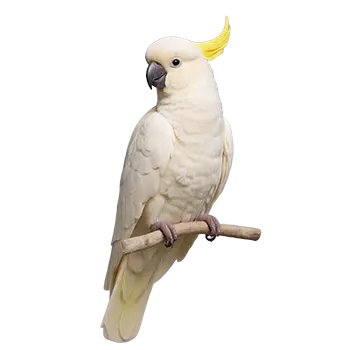
The Sulphur-Crested Cockatoo is a large, muscular parrot with an exceptionally high metabolic rate driven by constant physical activity and an intense emotional temperament. In the wild, these birds spend hours each day foraging across eucalyptus woodlands and open grasslands in Australia, New Guinea, and surrounding islands, consuming a varied diet of seeds, nuts, roots, berries, leaf buds, and the occasional insect larva. Replicating this nutritional diversity in captivity is essential for preventing the chronic health problems that plague underfed or poorly fed cockatoos, including fatty liver disease, obesity, feather-destructive behavior, and calcium imbalances.

Protein requirements for Sulphur-Crested Cockatoos are moderate compared to some parrot species but must be met consistently. Roughly twelve to fourteen percent of the overall diet should come from protein sources, supplied through quality pellets, cooked legumes, and small amounts of hard-boiled egg or sprouted seeds. Excess protein can stress the kidneys over the bird's multi-decade lifespan, while insufficient protein contributes to poor feather regrowth and muscle wasting, particularly in older birds or those recovering from illness.

Fat is a nutrient that requires careful calibration for this species. Sulphur-Crested Cockatoos are highly prone to obesity in captivity because their natural activity levels drop dramatically when confined to a cage for most of the day. A diet containing more than about fifteen percent fat by dry weight is excessive for a sedentary captive cockatoo. Seeds like sunflower and safflower, which many cockatoos find irresistible, are dense caloric packages that should be treated as occasional rewards rather than dietary staples. Nuts such as almonds, walnuts, and macadamias offer healthy fats and enrichment value but must be portioned carefully.

Calcium and vitamin D3 metabolism deserves particular attention. While Sulphur-Crested Cockatoos are not as acutely prone to hypocalcemia as African Greys, they still require steady calcium intake to maintain bone density, beak health, and proper muscle and nerve function over their long lifespans. Birds housed indoors without access to unfiltered sunlight are at elevated risk of vitamin D3 deficiency, which impairs calcium absorption regardless of how much calcium the diet provides. This interconnection between calcium and D3 means that dietary planning and light exposure must be considered together.

What to Look For

Choosing the right commercial diet for a Sulphur-Crested Cockatoo begins with understanding ingredient labels. The first three to four ingredients listed on a pellet package represent the bulk of the product's composition, and these should be recognizable whole foods such as ground corn, soybean meal, ground wheat, or dried vegetables. Products that list sugar, artificial coloring agents, or ethoxyquin as a preservative early in their ingredient panels should be avoided. Natural preservatives like mixed tocopherols or ascorbic acid are preferable and equally effective at maintaining shelf life.

Texture and pellet size influence acceptance and consumption efficiency. Sulphur-Crested Cockatoos have powerful beaks designed for cracking hard-shelled nuts and stripping bark, so they generally prefer larger pellets or nuggets that provide some resistance and tactile satisfaction. Pellets that crumble too easily may be crushed and discarded rather than eaten, leading to significant food waste and an inaccurate impression of how much the bird is actually consuming. Medium to large pellet formats, roughly half an inch to three-quarters of an inch in diameter, tend to work well for this species.

The overall formulation philosophy matters as much as individual ingredients. Some manufacturers take a whole-food approach, incorporating dried fruits, vegetables, and grains in visible pieces alongside the pellet base, which provides textural variety and encourages foraging behavior. Others produce uniform extruded pellets that deliver consistent nutrition in every bite but lack the sensory diversity that keeps intelligent birds engaged at mealtime. For Sulphur-Crested Cockatoos, which are easily bored and prone to developing food fixations, a product that offers some visual and textural variety within a nutritionally complete framework tends to produce the best long-term compliance.

Shelf life and storage requirements are practical considerations that affect nutritional quality. Pellets stored in hot, humid conditions or left in open bags for weeks lose vitamin potency and can develop mold or rancidity that is not always visible or detectable by human senses but can cause digestive upset or chronic low-grade toxicity in birds. Purchasing in quantities that will be used within four to six weeks, storing in airtight containers in a cool and dry location, and checking for any musty or off odors before serving are basic practices that protect the investment in quality food.

Recommended Pellet Types

Formulated pellets should constitute approximately fifty to sixty percent of a Sulphur-Crested Cockatoo's daily caloric intake, serving as the nutritional backbone that ensures baseline vitamin, mineral, and macronutrient needs are met regardless of what fresh foods the bird chooses to eat or ignore on any given day. The pellet market offers several formulation categories, and selecting the right one depends on the individual bird's health status, activity level, and dietary history.

Low-fat formulations are particularly relevant for this species. Because Sulphur-Crested Cockatoos are so susceptible to weight gain in captivity, pellets with a fat content below six percent are generally recommended for adult birds that are not breeding or recovering from illness. Several manufacturers produce cockatoo-specific or Australian-species formulations that account for this lower fat requirement while maintaining adequate caloric density through complex carbohydrates and moderate protein levels. These specialized products are worth seeking out over generic parrot pellets, which are often formulated with higher fat content appropriate for more active species.

Organic and naturally preserved pellets have become increasingly available and offer genuine advantages beyond marketing appeal. Organic certification ensures that the grains and vegetables used in production were grown without synthetic pesticides, which is relevant for a bird that may eat the same pellet formula daily for decades. The cumulative effect of trace pesticide residues over a forty-year lifespan is not well studied in parrots, making the precautionary choice of organic ingredients a reasonable investment for long-lived species.

Conversion from a seed-based diet to pellets can be one of the most challenging aspects of Sulphur-Crested Cockatoo ownership. These birds are notoriously stubborn about dietary changes and may refuse pellets for weeks or even months if not transitioned gradually. A common and effective approach is to mix a small amount of pellets into the existing seed mix and slowly increase the pellet ratio over several weeks while monitoring the bird's weight to ensure adequate caloric intake during the transition. Some owners find that moistening pellets slightly or warming them increases initial acceptance, as does offering pellets first thing in the morning when the bird is hungriest.

Fresh Foods and Cooking Mixes

Fresh foods provide the nutritional complexity and sensory enrichment that pellets alone cannot deliver. For Sulphur-Crested Cockatoos, fresh vegetables should make up roughly thirty to forty percent of the daily diet, with the emphasis on low-sugar, nutrient-dense options. Dark leafy greens such as kale, Swiss chard, dandelion greens, and bok choy deliver calcium, iron, and vitamin K. Orange and yellow vegetables including sweet potato, butternut squash, carrots, and bell peppers provide beta-carotene, which the body converts to vitamin A as needed without the toxicity risk associated with preformed vitamin A supplementation.

Cooking mixes formulated for parrots offer a practical solution for owners who want to provide cooked grains and legumes without the time investment of sourcing and preparing individual ingredients. Quality mixes typically contain a blend of lentils, split peas, brown rice, quinoa, barley, and dried vegetable pieces that cook into a soft, palatable mixture most cockatoos accept readily. When evaluating these products, avoid mixes that include dried fruit pieces high in sugar, added salt, or artificial flavor enhancers. The best mixes function as a nutritional base to which fresh chopped vegetables can be added after cooking.

Sprouted seeds represent one of the most nutritionally valuable fresh foods available for cockatoos. The germination process converts stored fats and starches into vitamins, enzymes, and plant proteins, dramatically altering the nutritional profile of the seed. A sunflower seed that would be an excessively fatty dietary item in its dry form becomes a nutrient-dense, lower-fat food once sprouted. Mung beans, lentils, radish seeds, and buckwheat are all excellent sprouting candidates. Hygiene during the sprouting process is critical, as the warm, moist conditions that promote germination also promote bacterial growth. Rinsing sprouts thoroughly at least twice daily during the sprouting period and discarding any batch that develops an off smell or slimy texture prevents foodborne illness.

Fruit should be offered sparingly and treated as an occasional enrichment food rather than a dietary pillar. Sulphur-Crested Cockatoos in the wild do consume native fruits and berries, but the cultivated fruits available commercially are significantly higher in sugar than their wild counterparts. Small portions of apple, pear, berries, pomegranate, and papaya provide vitamins and variety without contributing meaningfully to obesity risk when limited to a few tablespoons per day. Tropical fruits like mango and banana are well-accepted but are among the highest in sugar and should be offered least frequently.

Treats and Supplements

Treats play an outsized role in the daily life of a Sulphur-Crested Cockatoo because this species thrives on social interaction and positive reinforcement. Training sessions, behavioral management, and simple bonding moments all benefit from having a repertoire of high-value treats that the bird finds genuinely motivating. Nuts are the universally preferred treat for cockatoos, with almonds, walnuts, pecans, pine nuts, and cashews ranking among the most eagerly accepted. Because of their high fat content, nuts must be counted as part of the daily caloric budget. Breaking larger nuts into halves or quarters extends their usefulness during training without increasing total fat intake.

Seed-based treat sticks and honey-coated seed bars are heavily marketed to bird owners but represent some of the least appropriate treat options for Sulphur-Crested Cockatoos. These products are typically loaded with sunflower seeds, millet, and added sugars bound together with honey or corn syrup, delivering a concentrated dose of fat and simple carbohydrates with minimal nutritional benefit. A single seed stick can contain more fat and calories than the bird should consume in an entire day. Healthier commercial treat options include dried vegetable chips, baked pellet treats, and dehydrated fruit pieces made without added sugar or sulfur dioxide.

Calcium supplementation is advisable for most captive Sulphur-Crested Cockatoos, particularly those housed indoors without access to natural sunlight. Cuttlebone remains the most traditional calcium source and has the added benefit of providing beak conditioning, though individual cockatoos vary widely in their willingness to use cuttlebone. Mineral blocks formulated for large parrots offer another passive supplementation option. For birds that ignore both cuttlebone and mineral blocks, liquid calcium supplements added to soft foods or a small amount of finely ground calcium carbonate sprinkled over moist vegetables can ensure adequate intake. Any supplementation program should be discussed with an avian veterinarian, as excessive calcium can cause kidney mineralization and gout.

Vitamin and probiotic supplements occupy a nuanced space in cockatoo nutrition. A bird eating a well-balanced diet of quality pellets and varied fresh foods generally does not require a daily multivitamin, and routine supplementation of fat-soluble vitamins carries real risks of accumulation and toxicity. However, birds in dietary transition, those recovering from illness, breeding hens with elevated nutrient demands, and older birds with reduced digestive efficiency may benefit from targeted supplementation under veterinary guidance. Probiotic supplements designed for avian digestive systems can support gut flora balance, particularly following antibiotic treatment, and are generally safe for routine use when administered according to product directions.

Foods to Avoid

Several categories of food pose serious health risks to Sulphur-Crested Cockatoos and must be excluded from the diet entirely. Avocado tops the list of avian toxins. Every part of the avocado plant, including the flesh, skin, pit, and leaves, contains persin, a fungicidal toxin that causes myocardial necrosis in birds. The onset of symptoms following avocado ingestion can be rapid, and the outcome is frequently fatal even with emergency veterinary intervention. No amount of avocado is considered safe for any parrot species.

Chocolate and caffeine-containing foods and beverages are equally dangerous. Theobromine and caffeine are methylxanthine compounds that birds metabolize far more slowly than mammals, leading to accumulation in the bloodstream even from small exposures. Symptoms include hyperactivity, vomiting, diarrhea, rapid heart rate, tremors, and seizures. Dark chocolate and baking chocolate contain the highest concentrations of theobromine, but milk chocolate, coffee, tea, and caffeinated soft drinks all pose a risk. Kitchens where cockatoos have free-flight access should be managed carefully to prevent opportunistic sampling of these items.

Onions, garlic, chives, leeks, and other allium family members contain organosulfur compounds that damage avian red blood cells through oxidative stress. The resulting condition, hemolytic anemia, may not become apparent until days after ingestion, by which time significant red blood cell destruction has already occurred. Cooked, raw, and powdered forms are all dangerous, which makes it essential to check the ingredient lists of any prepared or processed human foods before offering them to a cockatoo. Many sauces, seasonings, and snack foods contain onion or garlic powder in amounts that are harmful to birds.

Salt is particularly hazardous because birds have limited renal capacity to excrete excess sodium. Even moderately salted foods like crackers, chips, pretzels, and bread can push a cockatoo into sodium toxicity, causing excessive thirst, kidney dysfunction, fluid retention, and in severe cases, death. High-sugar foods, while not acutely toxic, contribute to chronic problems including obesity, yeast overgrowth in the crop and digestive tract, and a preference for sweet foods that makes the bird increasingly resistant to eating vegetables and pellets. Fruit pits and apple seeds contain cyanogenic glycosides and should be removed before serving. Raw dried beans contain phytohemagglutinin, a lectin that is destroyed by thorough cooking but causes severe gastrointestinal distress in its raw form.

Always consult a qualified professional before making any health-related decisions. This content is provided for informational reference only and should not replace professional guidance specific to your animal.