
Perches and Stands

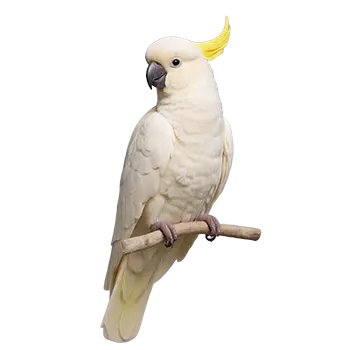
Perches are the most foundational accessory in a Sulphur-Crested Cockatoo's daily life, supporting the bird during sleep, rest, eating, and play. Because cockatoos spend the vast majority of their time gripping a perch of some kind, the selection of perch types directly influences foot health, joint comfort, and behavioral satisfaction. A well-equipped cage or play area should include a minimum of four to five perches of different materials, diameters, and textures to provide the variety that prevents repetitive-stress injuries and keeps the bird's feet strong and flexible.

Natural hardwood branches are the gold standard for primary perches. Manzanita is widely regarded as the best all-around perch material for large parrots because of its extreme hardness, naturally irregular shape, and resistance to splintering. A single manzanita perch can last years even under the daily assault of a cockatoo's beak, making it cost-effective despite its higher initial price. Java wood and grapevine offer similar irregular shapes with somewhat softer wood that the bird can chew without rapidly destroying the perch. Eucalyptus branches, which are part of the Sulphur-Crested Cockatoo's natural habitat, are an excellent choice where available, providing both a perching surface and a familiar scent that may have a calming effect.

Freestanding play stands extend the perching environment beyond the cage and are practically essential for a species that needs substantial out-of-cage time. A quality play stand for a Sulphur-Crested Cockatoo must be heavy enough or weighted enough to resist tipping when the bird shifts its weight vigorously, climbs the sides, or hangs upside down from the upper structures. Stainless steel stands offer the greatest durability and resistance to beak damage, though high-quality powder-coated wrought iron stands from reputable manufacturers are also serviceable if the coating is regularly inspected. Play stands with integrated food and water cups, multiple perch levels, and toy attachment points reduce the need for additional accessories and create a self-contained activity station.

Window perches and shower perches serve specialized roles in the cockatoo's daily routine. Suction-cup mounted window perches allow the bird to observe outdoor activity, which provides visual stimulation and engagement during periods when the owner is occupied. These must be rated for the weight of a large cockatoo, typically one to two pounds, and should be tested regularly to ensure the suction cups maintain their grip. Shower perches made from suction-mounted or clamp-mounted waterproof materials enable the bird to enjoy warm mist baths, which many Sulphur-Crested Cockatoos find deeply satisfying and which help manage the species' considerable feather dust output.

Feeding and Watering Equipment

The feeding equipment for a Sulphur-Crested Cockatoo must be engineered to withstand the bird's strength and its persistent inclination to treat everything in the cage as a potential toy. Standard clip-on plastic bowls that work perfectly for smaller parrots will be unclipped, lifted, dumped, and flung across the cage by a cockatoo within minutes. Stainless steel bowls are the only appropriate material for this species, offering complete resistance to beak damage, ease of sanitization, and no risk of toxic leaching. The mounting mechanism is equally critical. Bowls should be secured to the cage with locking crocks that bolt through the cage bars using a wing nut or a locking washer on the exterior, preventing the bird from simply lifting the bowl out of its holder.

Separate bowls for dry food, fresh food, and water should be positioned at different locations within the cage to encourage movement between feeding stations. This arrangement mimics the natural foraging pattern of traveling between food sources and increases the bird's daily physical activity within the cage. Water bowls in particular should be positioned away from food bowls to prevent food debris from contaminating the water supply, which happens rapidly when both are side by side. Some owners prefer water bottles over open water bowls to maintain water cleanliness throughout the day, though not all cockatoos will use a bottle, and some avian veterinarians express concern that bottle drinking positions can cause neck strain when used as the sole water source.

Foraging stations and food dispensers designed for large parrots turn routine feeding into an enrichment opportunity. Skewer-style fruit and vegetable holders allow whole or halved produce to be mounted securely inside or outside the cage, encouraging the bird to tear, pull, and manipulate its food rather than simply picking pieces from a bowl. Stainless steel kabob holders with threaded ends and locking caps are the most secure option, as simpler push-on designs can be dislodged and dropped. Foraging wheels, treat dispensing balls, and puzzle feeders designed for macaw-sized birds provide additional variety in how food is presented and consumed.

Cleaning and maintenance of feeding equipment is a daily requirement that directly impacts the bird's health. Food bowls should be washed with hot water and a bird-safe detergent after every meal, with particular attention to any grooves, seams, or mounting hardware where food residue can accumulate and support bacterial growth. Water bowls or bottles should be emptied, scrubbed, and refilled at least once daily, and more frequently in warm weather when bacterial proliferation accelerates. A dedicated set of bottle brushes and scrub pads reserved exclusively for the bird's dishes prevents cross-contamination from household cleaning chemicals.

Bathing and Grooming Supplies

Regular bathing is not merely a hygiene practice for Sulphur-Crested Cockatoos but a vital component of feather and skin care that addresses one of the species' most distinctive characteristics: prolific powder-down production. Sulphur-Crested Cockatoos generate extraordinary quantities of fine white feather dust from specialized powder-down feathers that continuously produce a keratin-based powder. This powder serves a natural waterproofing and feather-conditioning function, but in captivity it accumulates on the bird's plumage, on cage surfaces, and in the surrounding air at levels that can cause respiratory irritation for both the bird and its human housemates. Frequent bathing helps manage this dust load and keeps the plumage in optimal condition.

Misting with a clean spray bottle is the simplest bathing method and the one most easily incorporated into a daily routine. A fine mist of room-temperature or slightly warm water sprayed above and around the bird allows the droplets to settle onto the feathers, simulating the light rain that wild cockatoos deliberately expose themselves to. Some birds adore misting and will spread their wings, raise their crests, and vocalize with obvious pleasure, while others require gradual desensitization before they accept the experience. The spray bottle should be dedicated to the bird and should never have contained cleaning products or other chemicals.

Shower baths, where the bird accompanies the owner into a warm shower or is placed on a shower perch under a gentle stream of water, provide a more thorough soaking that reaches the skin and the base of the feather shafts. This deeper wetting encourages the bird to perform extensive preening afterward, which distributes natural oils, removes loose feathers and accumulated dust, and provides extended behavioral enrichment. Purpose-built shower perches that attach to the wall with suction cups or clamp onto the shower rod keep the bird positioned safely within the water stream while freeing the owner's hands.

Grooming supplies beyond bathing include nail clippers or dremels, styptic powder for managing bleeding in the event of a nail trimmed too short, and avian-safe feather conditioners for birds with dry or damaged plumage. Nail trimming can often be minimized or eliminated through the strategic use of concrete conditioning perches, but many owners still need to trim occasionally, particularly if the bird's nails grow asymmetrically. A quality pair of avian nail clippers with a sharp, clean cutting edge and a comfortable grip makes the procedure faster and less stressful. Styptic powder or cornstarch should always be on hand during any grooming session involving nail or beak work, as the blood supply to a cockatoo's nails is robust and even a slightly over-trimmed nail can bleed significantly.

Travel Carriers

A sturdy, well-designed travel carrier is an essential accessory for every Sulphur-Crested Cockatoo owner, serving routine needs like veterinary visits and emergency needs like evacuation. The carrier must be large enough for the bird to stand upright, turn around, and extend its crest without contact with the ceiling, typically requiring interior dimensions of at least eighteen inches long by fourteen inches wide by eighteen inches tall for a full-sized Sulphur-Crested Cockatoo. Larger is preferable for longer journeys, but the carrier should also be manageable for the owner to carry while secured.

Material construction is a critical safety factor. Hard-sided carriers made from high-impact plastic with stainless steel wire doors and ventilation panels are the most appropriate option for Sulphur-Crested Cockatoos. Fabric or mesh carriers designed for dogs and cats are completely unsuitable, as a cockatoo's beak will shred through fabric walls in minutes. Even carriers marketed for birds may use wire gauges or plastic grades that cannot withstand sustained cockatoo chewing. The door latch must be secure against manipulation, as a stressed or determined cockatoo will work at any accessible fastener during transport. Zip-tie reinforcement of door latches and ventilation panel attachments is a common and recommended precaution.

Carrier training is strongly advised well before the carrier is needed for an actual trip. Many cockatoos develop a fear response to being placed in a carrier if their only experiences with it involve stressful events like veterinary visits. Leaving the carrier open in the bird's living area with treats and toys inside allows the bird to explore it voluntarily, building a positive association. Gradually increasing the time the bird spends inside with the door closed, then adding short walks around the house, and eventually brief car rides creates a progressive desensitization that makes actual travel less traumatic for both bird and owner.

Travel accessories that complement the carrier include a small water bottle or spill-resistant dish mounted inside, a short perch positioned at a comfortable height, and a lightweight cover that can be draped over the carrier to reduce visual stimulation during stressful journeys. For long-distance travel or air transport, airline-specific requirements must be researched well in advance, as regulations regarding carrier dimensions, ventilation specifications, and documentation vary by carrier and change frequently. Most cockatoo owners find that car travel with the carrier secured on the back seat using a seatbelt is the least stressful option for routine trips.

Lighting and Environmental Accessories

Full-spectrum lighting is one of the most impactful accessories an owner can provide for an indoor Sulphur-Crested Cockatoo. Standard residential lighting, including incandescent, LED, and fluorescent fixtures, does not emit the ultraviolet wavelengths that birds require for normal physiological function. UVB radiation in the 290 to 315 nanometer range is essential for the synthesis of vitamin D3 in the skin, which in turn enables the absorption of dietary calcium. Birds housed exclusively under artificial lighting without UVB supplementation are at chronic risk of calcium deficiency regardless of how well-designed their diet may be, because the calcium simply cannot be absorbed efficiently without adequate vitamin D3.

Avian-specific full-spectrum bulbs are designed to emit light across the visible spectrum plus the UVA and UVB wavelengths that birds perceive and require. These bulbs should be mounted within twelve to eighteen inches of the bird's primary perching area, as UVB intensity diminishes rapidly with distance and does not penetrate glass or plastic barriers. The bulb should be on a timer set to provide ten to twelve hours of light per day, matching the natural photoperiod of the Sulphur-Crested Cockatoo's native range near the equator. UVB bulbs lose their effective output before they visibly burn out, so they should be replaced every six to twelve months depending on the manufacturer's recommendations.

Air purification is a genuinely essential environmental accessory for households with Sulphur-Crested Cockatoos, not a luxury. The volume of feather dust this species produces can overwhelm standard household HVAC filtration and contribute to respiratory irritation in both the bird and human occupants. A quality air purifier with a true HEPA filter, positioned near the bird's cage, captures the fine particulate matter that standard furnace filters miss. The purifier should be an ionizer-free model, as ionizing air purifiers produce ozone, which is a respiratory irritant harmful to birds even at concentrations below the threshold of human detection.

Cage covers serve both a practical and a behavioral management function. A well-fitted cage cover made from breathable, opaque fabric establishes a clear light-dark boundary that signals sleep time to the bird. Consistent use of a cage cover at the same time each evening helps regulate the cockatoo's circadian rhythm, supporting the ten to twelve hours of uninterrupted darkness that this species requires for hormonal balance and adequate rest. The cover should be large enough to drape completely around the cage without gaps that admit light, and the fabric should be washable, as it will accumulate feather dust rapidly. Heavy canvas, dark cotton, or purpose-made cage cover fabrics are all appropriate choices.

Bird-Proofing and Safety Essentials

Bird-proofing the living environment is an ongoing safety project for any household with a free-roaming Sulphur-Crested Cockatoo. The combination of a powerful beak, insatiable curiosity, and exceptional problem-solving ability means that a cockatoo will find and investigate every accessible hazard in its environment, often in ways that the owner did not anticipate. Electrical cords are among the most dangerous household items, as a single bite through an energized cord can cause electrocution, severe burns, or fire. Cord management products including hard plastic cord covers, cord-concealing raceways, and behind-furniture cord routing systems are essential in any room where the bird has access.

Window and mirror safety requires specific attention. Sulphur-Crested Cockatoos in flight may not recognize glass as a solid barrier, and collisions with windows and sliding glass doors are a leading cause of traumatic injury in free-flighted companion birds. Window films, decals, or UV-reflective strips that break up the transparent surface make the glass visible to the bird without significantly reducing light or the owner's view. Mirrors pose a different risk: some cockatoos become fixated on their reflection, leading to obsessive behaviors including regurgitation, territorial aggression toward the reflection, and refusal to leave the mirror's vicinity.

Toxic household substances that must be secured or eliminated from areas accessible to the bird include nonstick cookware and appliances that release polytetrafluoroethylene fumes when heated, aerosol sprays of any kind, scented candles, incense, air freshener plug-ins, essential oil diffusers, cigarette and vaping smoke, most household cleaning products, and any product containing volatile organic compounds. The avian respiratory system is extraordinarily efficient and extraordinarily sensitive, extracting both oxygen and airborne toxins with much greater efficiency than mammalian lungs. Concentrations of fumes that are imperceptible or harmless to humans can be rapidly lethal to a bird.

Household plants should be evaluated against a comprehensive list of avian-toxic species. Many common ornamental and houseplants are poisonous to birds, including lilies, philodendrons, dieffenbachia, oleander, foxglove, and daffodils. A Sulphur-Crested Cockatoo with access to a houseplant will chew on it, and even a few bites of a toxic species can cause serious illness. Removing toxic plants entirely or relocating them to rooms the bird never enters is the most reliable approach. Owners who wish to maintain indoor greenery in bird-accessible areas should choose from the list of verified bird-safe species, which includes spider plants, Boston ferns, African violets, and certain palms, and should still expect the bird to destroy any plant within reach.

Always consult a qualified professional before making any health-related decisions. This content is provided for informational reference only and should not replace professional guidance specific to your animal.