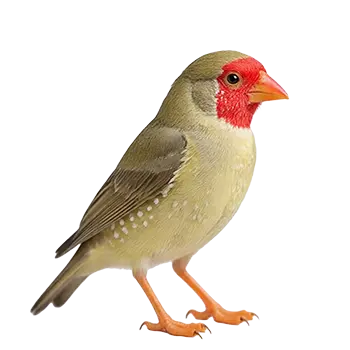

Nutritional Needs

The Star Finch (Neochmia ruficauda) is a small Australian grass finch whose wild diet revolves around ripe and half-ripe grass seeds gathered from the ground and from seed heads in tropical savanna grasslands. In captivity this seed-centric metabolism remains the foundation of proper nutrition, but simply filling a dish with a generic finch mix falls well short of meeting the species' full dietary requirements. Star Finches need a carefully balanced intake of carbohydrates, proteins, fats, vitamins, and minerals that shifts in emphasis with the seasons, during molt, and especially during the breeding cycle.

Protein demand increases sharply when Star Finches are rearing chicks. Wild pairs time their breeding to coincide with the wet season, when insect populations explode and provide the animal protein that growing nestlings require. Captive birds retain this biological expectation, and failure to supply adequate protein during breeding is one of the most common reasons for nest abandonment, poor chick growth, and elevated nestling mortality. Egg food, sprouted seeds, and live or dried insects all serve as protein vehicles, and experienced breeders typically offer all three simultaneously during the rearing period.

Fat requirements are modest outside of cold weather or breeding stress. Star Finches are small-bodied birds with fast metabolisms, so they burn calories efficiently, but they are also prone to fatty liver disease if given unrestricted access to oily seeds such as niger or hemp without balancing that intake with exercise and lower-fat staples. The daily seed blend should be built around millets and canary seed, with oilier seeds offered in controlled amounts as supplements rather than as free-choice staples.

Minerals, particularly calcium and iodine, require deliberate attention. Hens producing eggs need substantial calcium to form strong shells, and both sexes benefit from consistent access to a calcium source throughout the year to maintain bone density and support proper muscle and nerve function. Iodine deficiency, while less commonly discussed in finch care than calcium shortfalls, can lead to thyroid dysfunction and is easily prevented with the right mineral supplement or iodine-enriched grit.

What to Look For in Seed Mixes

A quality seed mix is the single most important food product a Star Finch owner will purchase, and the differences between mixes on the market are substantial. The ideal base mix for Australian grass finches is built around several varieties of millet — white, yellow, red, and Japanese millet — along with plain canary seed. These small, relatively low-fat seeds closely approximate the grass seeds Star Finches eat in the wild and are readily accepted without a transition period. The best mixes present a visible diversity of seed types and sizes, with no single ingredient dominating the blend.

Freshness is a critical quality marker that many keepers overlook. Seeds are living organisms capable of germination, and their nutritional value degrades significantly as they age. Fresh seed has a slight sheen, a clean smell, and will sprout readily when placed on damp paper towel. Stale or improperly stored seed looks dull, may smell musty, and germinates poorly or not at all. Purchasing from suppliers with high turnover, buying in quantities that will be used within a few weeks, and storing seed in airtight containers in a cool dry space all help preserve nutritional integrity.

Avoid mixes that contain large proportions of sunflower seed, safflower, or dried corn, which are formulated for larger birds and are too high in fat and too large in size for Star Finches to eat comfortably. Similarly, mixes padded with excessive filler seeds that the birds consistently leave behind represent poor value and create waste. Some premium finch mixes include small amounts of perilla, lettuce seed, or grass seed varieties that add nutritional diversity without raising fat content excessively, and these are worth the modest price premium.

Organic and pesticide-free seed options are increasingly available and are a worthwhile consideration for long-term bird health. Seeds treated with fungicides or grown with heavy pesticide use may carry residue that accumulates over time in small-bodied birds. While the research base on chronic low-level pesticide exposure in captive finches is limited, the precautionary approach favors cleaner seed sources when budget allows.

Egg Food and Soft Food Products

Egg food is the cornerstone protein supplement for breeding Star Finches and plays a supporting role during molt and for general condition maintenance year-round. Commercial egg food products range from simple dry crumbles made primarily from baked egg and breadcrumb to more complex formulations that incorporate dried insects, spirulina, carotenoid pigments, vitamins, and minerals. For Star Finches, a fine-textured egg food formulated for small finches and waxbills is preferable to the coarser grades designed for canaries or softbills, as the smaller crumb size is easier for these birds to consume and to feed to nestlings.

Dry egg food can be offered as-is or moistened slightly with grated carrot, apple, or a small amount of water to create a crumbly texture that many finches find more palatable than the dry form. Moistened egg food spoils rapidly in warm conditions, however, so it should be replaced at least twice daily during hot weather and never left in the cage overnight. Some breeders prepare their own egg food from hard-boiled egg mashed with fine breadcrumbs, wheat germ, and a mineral supplement, which allows full control over ingredients but requires consistent preparation discipline.

Soft food products beyond traditional egg food include insectivore mixes, universal softbill food, and specialized rearing foods. These products are typically higher in protein and fat than standard egg food and can be useful during peak chick-rearing demand. Star Finch parents feeding multiple chicks may consume surprisingly large quantities of soft food, and having a product with strong nutritional density means the parents can deliver adequate nutrition without needing to make as many feeding trips, which reduces stress on the adults.

The transition onto egg food should begin before breeding pairs are established. Birds that have never encountered egg food may ignore it entirely when it is first introduced, and this is exactly the wrong time to be training them to accept a new food. Offering small amounts of egg food several times per week as part of the regular diet ensures that birds recognize it as food and will increase their intake naturally when breeding hormones drive higher protein demand.

Live Food and Insect Products

Live insects are not strictly required for maintaining adult Star Finches in good condition outside of the breeding season, but they become close to essential when pairs are feeding chicks. In the wild, Star Finch parents rely heavily on small insects and larvae to provide the concentrated protein and moisture that rapidly growing nestlings need during their first two weeks of life. Captive parents that do not have access to live or high-quality dried insect food frequently fail to rear chicks past the first few days, even when egg food is available.

Small white-skinned mealworms, mini mealworms, buffalo worms, and fruit fly cultures are the most practical live food options for Star Finch keepers. Standard mealworms should be offered only when freshly molted and still soft and white, as the hard chitin shell of mature mealworms is difficult for small finches to process. Waxworms can be offered occasionally but are very high in fat and should not become a dietary staple. Fruit fly cultures, particularly flightless Drosophila hydei, are an outstanding live food for Star Finches because the flies are small enough for even newly hatched chicks and are easy to culture at home in small containers.

Dried insect products have improved significantly in recent years and serve as a practical alternative or supplement to live food. Freeze-dried insects retain more of their nutritional value than heat-dried varieties, and the best products are processed without additives or preservatives. Dried black soldier fly larvae are particularly nutrient-dense, with a calcium-to-phosphorus ratio that is naturally favorable for egg-laying hens. These can be crumbled and mixed into egg food to boost protein content without the logistical demands of maintaining live cultures.

Ant pupae, sold dried or frozen in many European and Australian avicultural supply outlets, are a traditional finch rearing food with a long track record of success. They are soft, highly palatable, and rich in protein and fat. Frozen ant pupae should be thawed in small portions and offered fresh, as they spoil quickly at room temperature. Where available, they are considered by many experienced finch breeders to be the single most effective rearing food supplement for grass finches, including the Star Finch.

Greens, Vegetables, and Sprouted Seed

Fresh greens and sprouted seeds provide vitamins, enzymes, and dietary variety that dry seed and processed supplements cannot fully replicate. Star Finches in the wild consume green plant material and half-ripe seed heads regularly, and captive birds benefit from having these food types available several times per week at minimum. Leafy greens such as dandelion leaves, chickweed, endive, romaine lettuce, and spinach in moderation are all well-accepted by most Star Finches. Chickweed and seeding grasses collected from pesticide-free areas are particularly relished and closely approximate natural foraging opportunities.

Sprouted seed is one of the most valuable food products available for finch keeping. The germination process transforms a dry, carbohydrate-heavy seed into a living food with dramatically increased levels of vitamins A, C, and E, along with higher enzyme activity and reduced fat content. For Star Finches, sprouting a portion of the same seed mix used as the daily staple ensures familiarity and high acceptance rates. Sprouting takes between twenty-four and forty-eight hours depending on ambient temperature and seed type, and the finished sprouts should be rinsed thoroughly before feeding to remove any bacterial buildup from the soaking process.

Commercial sprouting blends designed for cage birds are widely available and offer a convenient, pre-measured mix of seeds selected for reliable germination and nutritional profile after sprouting. Some blends include mung beans, quinoa, and other seeds not typically found in dry finch mixes, which adds variety. Dedicated sprouting equipment, from simple jars with mesh lids to tiered tray systems, makes the process more consistent and reduces contamination risk compared to improvised setups.

Vegetables beyond leafy greens can be offered in small amounts for variety. Grated carrot provides beta-carotene and is readily consumed by most finches when mixed into egg food. Finely diced cucumber and zucchini offer hydration and are often accepted during hot weather. Broccoli florets contain calcium and other micronutrients and can be clipped to the cage side for the birds to pick at. As with all fresh foods, uneaten portions should be removed within a few hours to prevent spoilage and bacterial growth, particularly in warm environments.

Supplements and Mineral Products

Even with a well-constructed diet of quality seed, egg food, live insects, and fresh greens, certain micronutrients are difficult to deliver in sufficient quantities through food alone, and targeted supplementation fills these gaps. Calcium is the most critical supplement for Star Finches, particularly for breeding hens. Cuttlebone should be available in the cage or aviary at all times, providing both a calcium source and a beak-conditioning surface. Crushed oyster shell or limestone grit offered in a small dish provides additional calcium in a form that also aids gizzard function by helping grind seeds.

Liquid vitamin and mineral supplements designed for cage birds can be added to the drinking water or drizzled over soft food. Water-soluble formulations are convenient but have the drawback of being difficult to dose precisely, since intake depends on how much water each bird drinks. Additionally, vitamins degrade in water exposed to light and air, so supplemented water should be changed at least once daily. Supplements applied directly to egg food or soft food allow more controlled dosing and avoid the degradation issue, though they reach only birds that eat the supplemented food.

Iodine supplementation prevents goiter and supports thyroid function. Many commercial mineral blocks and liquid supplements include iodine, but keepers should verify this on the label rather than assuming it is present. In regions where iodine-poor water and soil are common, supplementation is particularly important. Some aviculturists add a small amount of iodine-enriched salt to soft food mixes, though purpose-made avian iodine supplements are more precise and safer to dose.

Grit remains a topic of some debate in finch keeping, but the weight of evidence and experienced opinion favors providing mineralized grit to seed-eating species like the Star Finch. Unlike hookbills that hull their seeds completely before swallowing, finches swallow smaller seeds partially intact, and grit particles in the gizzard assist in mechanical digestion. Mineralized grit that includes crushed shell, charcoal, and trace minerals serves a dual purpose, supporting both digestion and mineral intake. Grit dishes should be kept clean and replenished regularly, as birds tend to selectively consume certain particle sizes and leave others behind.

Feeding Schedule and Portions

Star Finches are small birds with high metabolic rates, and they need access to food throughout the daylight hours. Unlike larger parrots that can be meal-fed on a twice-daily schedule, finches must be able to eat frequently to maintain blood sugar and body temperature. The seed dish should be filled each morning with a fresh portion and checked at midday to ensure it has not been reduced to empty husks. Star Finches hull their seeds before eating, and a dish that appears full may actually contain nothing but discarded husks sitting on top of a thin layer of uneaten seed. Blowing gently across the dish surface or using a dedicated seed sieve removes husks and reveals how much edible seed remains.

Portion sizing for a single Star Finch is approximately one to one and a half teaspoons of dry seed mix per day, though actual consumption varies with temperature, activity level, breeding status, and individual metabolism. Pairs feeding chicks will consume noticeably more seed, plus significant quantities of egg food and live food. Rather than measuring exact amounts for each bird in a colony setting, most experienced keepers fill dishes to a standard level each morning and monitor consumption patterns over time, adjusting quantities upward or downward based on how quickly dishes are emptied.

Fresh foods, egg food, and live insects should be offered in the morning when the birds are most actively feeding. Breeding pairs may benefit from a second offering of soft food and live food in the early afternoon to sustain their feeding efforts through the latter part of the day. All perishable foods should be removed by late afternoon to prevent birds from consuming spoiled food the following morning or attracting pests overnight.

Seasonal adjustments to the feeding regimen improve long-term health outcomes. During the non-breeding rest period, reducing or eliminating egg food, live insects, and protein-rich supplements helps prevent birds from coming into breeding condition prematurely. Increasing oily seeds slightly during cold weather provides extra calories for thermoregulation. During molt, resuming egg food and ensuring consistent mineral supplementation supports the energy-intensive process of replacing the entire feather coat. These cyclical adjustments mirror the natural seasonal variation in food availability that wild Star Finches experience in the Australian tropics.

Always consult a qualified professional before making any health-related decisions. This content is provided for informational reference only and should not replace professional guidance specific to your animal.