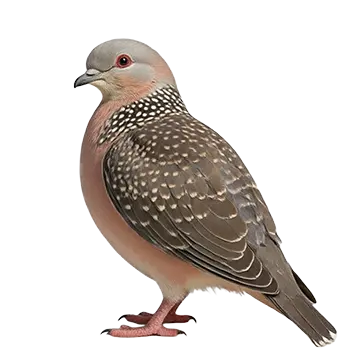

Environmental conditions within and around a Spotted Dove's enclosure directly affect the bird's health, comfort, and behavior, yet many of the most consequential environmental factors are imperceptible to human senses without instrumentation. Temperature fluctuations, humidity changes, and air quality shifts can occur gradually enough to escape notice until the bird shows symptoms of stress or illness. Digital environmental monitoring tools eliminate this blind spot by providing continuous, objective data about the conditions the bird actually experiences.
Digital thermometer and hygrometer combinations are the most fundamental monitoring tools for any bird room. Standalone units with probe sensors allow the owner to measure temperature and humidity at the cage level rather than relying on room thermostat readings, which may differ significantly from conditions at the enclosure due to proximity to windows, walls, heating vents, or appliances. Wireless sensor units that transmit data to a base station or smartphone application provide real-time monitoring without requiring the owner to be physically present in the bird room, and many models support configurable alerts that trigger a notification when temperature or humidity falls outside a user-defined range.
Smart home environmental sensors expand on basic thermometer and hygrometer functionality by logging historical data and integrating with home automation systems. A sensor placed near the dove's enclosure can record temperature and humidity trends over days, weeks, and months, revealing patterns that snapshot readings miss. For example, a data log might reveal that the bird room drops below fifty degrees Fahrenheit during winter nights when the heating system cycles off, or that afternoon sun exposure pushes enclosure temperatures above ninety degrees during summer. These patterns, invisible without continuous logging, allow owners to make targeted environmental adjustments before problems develop.
For outdoor aviary keepers, weather station systems that include wind speed, precipitation, and UV index sensors provide comprehensive data for managing the aviary environment. Knowing the UV index helps determine whether the birds are receiving adequate natural sunlight for vitamin D3 synthesis or whether supplemental UV lighting is needed during periods of persistent cloud cover. Wind speed data informs decisions about when to close windbreak panels or move birds to sheltered sections of the aviary. Integration with smart home platforms allows automated responses, such as activating a heat lamp when temperatures drop below a set threshold.