
Nutritional Needs

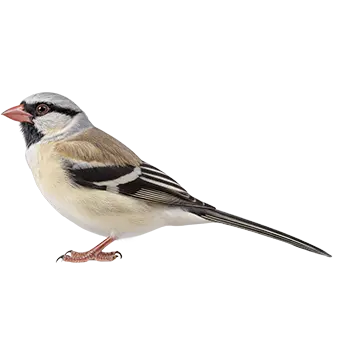
The Shaft-tail Finch, also known as the Long-tailed Finch or Heck's Grassfinch, is a granivorous species native to the dry savannas and open woodlands of northern Australia. In the wild, Poephila acuticauda forages on the ground and in grass stems for ripe and half-ripe grass seeds, supplementing this staple with small insects during the breeding season. Understanding these natural dietary patterns is essential for replicating adequate nutrition in captivity, where the absence of seasonal variation and self-selection can easily lead to deficiencies or excess.

The caloric demands of the Shaft-tail Finch are modest compared to larger psittacines, but the metabolic rate of small finches is disproportionately high relative to their body weight. This means that even a few hours without food can create physiological stress, particularly in cold conditions or during the energy-intensive phases of molt and breeding. A reliable, nutrient-dense diet must be available at all times, and the composition of that diet matters far more than sheer quantity. Overreliance on a single food source, especially oil-rich seeds like sunflower or niger, can lead to hepatic lipidosis and obesity even in a bird that appears to be eating well.

Protein requirements increase significantly during breeding and chick-rearing. In the wild, Shaft-tail Finches shift toward insect consumption when feeding young, and captive birds benefit enormously from access to live or dried insects and high-quality egg food during these periods. Outside of breeding, protein needs are lower but still important for feather maintenance during the annual molt cycle. A diet that fails to provide adequate sulfur-containing amino acids during molt produces dull, brittle plumage and prolonged feather replacement.

Minerals, particularly calcium and phosphorus in the correct ratio, are critical for skeletal health, eggshell formation, and muscle function. Shaft-tail Finches housed indoors without access to unfiltered sunlight or full-spectrum lighting may struggle to metabolize dietary calcium efficiently due to insufficient vitamin D3 synthesis. This makes the interplay between dietary supplementation and lighting setup a key consideration that extends beyond food selection alone.

What to Look For

When selecting a base seed mix for Shaft-tail Finches, the ingredient list should reflect the species' preference for small grass seeds. High-quality finch mixes will feature a foundation of canary seed, several varieties of millet including white, yellow, Japanese, and panicum, and smaller proportions of additional seeds such as niger, lettuce seed, and perilla. The mix should look clean and uniform, free of excessive dust, seed husks, or debris that indicates poor processing or aged stock. A fresh seed mix has a faintly sweet, grassy aroma, while rancid or stale mixes develop a musty, flat smell that signals oxidized fats.

Packaging and storage indicators deserve attention. Vacuum-sealed or nitrogen-flushed packaging preserves seed freshness far longer than simple bags, and products that include a harvest or packing date allow buyers to assess freshness directly. Seeds are living embryos with a finite shelf life, and the nutritional content of stored seeds degrades over time as fats oxidize and vitamins break down. Purchasing from suppliers with high turnover or ordering in quantities that will be consumed within a few weeks ensures the bird receives maximum nutritional value from each seed.

For egg food and soft food supplements, look for products with real egg as the primary protein source rather than soy isolates or grain fillers. The best egg foods contain dried egg, fine-ground biscuit or breadcrumb, and added vitamins and minerals without artificial colorants. Some formulations include dried insects or insect meal, which adds valuable animal protein and closely approximates the natural protein sources wild Shaft-tail Finches would access during breeding. Egg food that arrives in a fine, crumbly texture is easier for small finches to consume than coarse or pellet-form products.

Supplement quality varies dramatically across the market. Liquid vitamin and mineral supplements designed specifically for finches should specify their concentration per milliliter and provide clear dosing instructions based on water volume or food weight. Avoid products with vague labeling, proprietary blends that obscure ingredient quantities, or formulations designed broadly for all cage birds without species-appropriate adjustments. Calcium supplements should specify the form of calcium used, as calcium gluconate and calcium lactate are more bioavailable than calcium carbonate for small passerines.

Recommended Seed Mixes

A well-constructed finch seed mix forms the dietary backbone for Shaft-tail Finches and should comprise roughly sixty to seventy percent of the total food offering. The ideal composition mirrors the seed diversity available in the bird's native Australian grasslands. Canary seed and white millet together typically make up the bulk of a suitable mix, with canary seed providing a solid carbohydrate and moderate-protein foundation and white millet offering easily digestible energy. Japanese millet, panicum millet, and red millet add textural and nutritional variety that encourages active foraging behavior rather than selective feeding.

Niger seed, sometimes labeled as thistle seed, is a popular inclusion in finch mixes due to its high oil content, which supports feather condition and provides concentrated energy during cold weather and breeding. However, niger should remain a minor component, generally no more than five to eight percent of the total mix, because its fat density can promote weight gain when overconsumed. Some keepers prefer to offer niger separately in a small dish so they can monitor intake rather than relying on its proportion within a blended mix.

Specialty seed additions like perilla, poppy seed, and lettuce seed appear in premium finch mixes and contribute micronutrients and variety without dramatically altering the caloric profile. Wild grass seed, available from specialty avicultural suppliers, is an excellent seasonal supplement that closely replicates the natural food source and stimulates natural foraging behavior. Half-ripe or sprouted millet sprays hung in the enclosure serve a similar purpose, providing both nutritional benefit and environmental enrichment as the birds work to extract individual seeds.

Some keepers choose to blend their own custom seed mixes from individually sourced seed types. This approach offers precise control over proportions and allows adjustments for seasonal needs, such as increasing the protein fraction during breeding or reducing oil seeds for birds prone to weight gain. When building a custom blend, sourcing from reputable avicultural seed suppliers rather than agricultural bulk suppliers ensures the seeds are clean, properly stored, and free from pesticide residues or fungal contamination that can be present in commodity-grade grains.

Fresh Foods and Egg Food

Fresh foods complement the seed-based diet by delivering vitamins, minerals, and moisture that dry seeds lack. Shaft-tail Finches may be initially hesitant with fresh produce compared to softbill species, but consistent daily offerings typically result in acceptance over time. Finely chopped dark leafy greens such as kale, endive, dandelion greens, and romaine lettuce provide calcium, iron, and vitamin A precursors. Grating or finely dicing is important because the small beak of a finch cannot efficiently tear or bite into large leaf pieces the way a parrot would.

Vegetables with higher beta-carotene content, including grated carrot, small pieces of sweet potato, and finely diced bell pepper, round out the fresh food rotation. Broccoli florets, both raw and lightly steamed, are well-accepted by many Shaft-tail Finches and offer a useful calcium boost. Cucumber and zucchini provide hydration and are readily consumed, though their nutritional density is lower than darker vegetables. The goal is a varied daily selection rotated throughout the week rather than the same two or three items offered every day, which can lead to both nutritional gaps and selective refusal.

Egg food is arguably the single most important dietary supplement for Shaft-tail Finches, particularly during breeding and molt. Commercial egg food formulated for finches provides concentrated protein, amino acids, and fat in an easily digestible crumble that mimics the nutritional profile of the insects these birds would consume in the wild. During breeding, egg food should be offered fresh each morning and replaced or removed by afternoon to prevent spoilage, especially in warm environments where bacterial growth accelerates rapidly in moist protein-rich foods.

Some experienced breeders prepare homemade egg food by combining hard-boiled egg, finely grated carrot, dried breadcrumbs, and a powdered vitamin-mineral supplement. This allows full ingredient control and can be more cost-effective for larger collections. The texture should be moist but crumbly, not wet or pasty, as excessively moist egg food spoils faster and can promote crop infections in chicks. Whether using commercial or homemade preparations, egg food should transition from an occasional supplement to a daily staple approximately two weeks before expected breeding activity and continue through weaning of the last round of chicks.

Treats and Supplements

Treats for Shaft-tail Finches differ considerably from the nut-based rewards used with parrots. The small size and granivorous preferences of finches mean that effective treats are typically seed-based or insect-based rather than fruit or nut pieces. Spray millet is the universal finch treat, eagerly consumed by virtually every Shaft-tail Finch regardless of individual temperament. Hanging a partial spray millet in the enclosure encourages natural clinging and plucking behavior while providing a moderate calorie reward. Because spray millet is nutritionally similar to the base seed diet, it can be offered regularly without significant dietary disruption, though daily unlimited access can reduce consumption of more nutritious foods.

Live insects represent the highest-value treat and nutritional supplement for this species. Small mealworms, waxworms, and fruit flies provide animal protein, fat, and chitin in a form that elicits strong feeding responses. During breeding season, live food often triggers pair bonding and courtship feeding behaviors that signal readiness to nest. Even outside breeding, offering a small number of live insects two or three times per week supports feather quality and overall vigor. For keepers who prefer not to handle live insects, freeze-dried insects formulated for cage birds provide a convenient alternative, though acceptance rates are sometimes lower than for live prey.

Grit and mineral supplements occupy an important role for seed-eating finches. Unlike parrots, which hull their seeds before swallowing, finches consume a significant amount of seed hull material, and the provision of soluble grit containing oyster shell and limestone assists in both digestion and calcium uptake. Insoluble grit, such as fine quartz or flint particles, is debated among aviculturists, but many experienced Shaft-tail Finch keepers provide a small dish of mixed grit alongside cuttlebone or mineral blocks to allow the bird to self-regulate its mineral intake.

Charcoal supplements, sometimes included in grit blends, are thought to aid in binding dietary toxins and supporting digestive function, though scientific evidence for this benefit in captive finches is limited. Iodine blocks, which provide trace iodine through a salt-lick format, can help prevent thyroid enlargement in finches fed predominantly millet-based diets that are naturally low in iodine. These supplementary items should be offered as free-choice options in small dishes or clipped to cage walls, allowing the bird to access them as needed rather than being force-fed through water or food fortification.

Foods to Avoid

Several categories of food are harmful or potentially fatal to Shaft-tail Finches and must be rigorously excluded from their environment. Avocado tops the list of toxic foods for all bird species, as the persin compound found throughout the fruit and plant causes myocardial necrosis and respiratory failure. Even incidental contact with avocado residue on hands or cutting boards before preparing finch foods should be avoided. Chocolate and any products containing caffeine pose similar cardiac risks, with theobromine toxicity capable of killing a small finch in quantities far below what would affect a larger bird.

Onions, garlic, leeks, and related allium family plants damage avian red blood cells through oxidative stress caused by their sulfur compounds. The effect is cumulative, meaning repeated small exposures can cause hemolytic anemia over time even when each individual exposure seems insignificant. This includes powdered forms of these ingredients commonly found in seasoned breadcrumbs, crackers, and other processed foods that well-meaning owners might offer as treats. Any human food shared with finches should be checked for hidden allium ingredients.

High-fat, high-salt, and sugary processed foods are inappropriate for Shaft-tail Finches despite the bird's apparent willingness to sample them. Chips, pretzels, cookies, and similar snack foods contain sodium and fat levels that overwhelm the finch's small body mass and limited renal capacity. Even plain bread, while not toxic, offers minimal nutritional value and can expand in the crop, causing impaction in extreme cases. Dairy products are poorly tolerated by birds due to their lack of the lactase enzyme needed to digest lactose, and can cause gastrointestinal distress.

Certain seeds and plant materials commonly available in gardens or wild areas are also hazardous. Apple seeds, cherry pits, and stone fruit pits contain cyanogenic glycosides that release hydrogen cyanide during digestion. While the risk from a single seed is minimal for a larger bird, the small body mass of a Shaft-tail Finch means that even small amounts of cyanide-releasing compounds can reach dangerous concentrations. Plants treated with pesticides, herbicides, or fungicides should never be offered as greens or foraging material, and any wild-harvested plants should come from areas confirmed free of chemical treatment.

Feeding Schedule and Portions

Shaft-tail Finches should have continuous access to their base seed mix throughout the day. Unlike larger birds that can be meal-fed on a structured schedule, the high metabolic rate of small finches means that even a few hours without food access, particularly during cold mornings or in the evening before lights-out, can create dangerous energy deficits. A general guideline is to provide approximately one to two teaspoons of seed mix per bird per day, adjusted based on observed consumption. Seed dishes should be checked twice daily and topped off or refreshed as needed, because finches hull seeds in the dish and the accumulation of empty husks on the surface can create the illusion of a full dish when most of the available seeds have already been consumed.

Fresh foods and egg food should be offered in the morning, ideally within the first hour after the lights come on or the aviary is uncovered. Morning is when the birds are hungriest and most receptive to perishable foods. Fresh vegetables can remain available for several hours without concern, but egg food and any moist protein-based supplements should be removed after three to four hours to prevent bacterial proliferation, particularly in warm climates or heated indoor environments where temperatures promote rapid spoilage.

During breeding season, feeding frequency and variety should increase substantially. Pairs with chicks in the nest require replenishment of egg food and live insects two to three times daily, as parent birds feed nestlings at a high rate during the first two weeks of life. Many breeders provide a dedicated small dish of egg food and a separate container of live food adjacent to the nest area so that parent birds can access high-protein options with minimal time away from brooding. Failing to increase protein availability during chick-rearing is one of the most common causes of chick mortality and stunted growth in captive finch breeding programs.

Seasonal adjustments outside of breeding also benefit long-term health. During the annual molt, typically occurring in late summer or early autumn in the southern hemisphere schedule that many captive Shaft-tail Finches retain, increasing egg food availability and adding a molting-specific seed supplement rich in sulfur-containing amino acids like methionine supports efficient feather replacement. In winter or during cooler periods, slightly increasing the proportion of oil-rich seeds such as niger and linseed provides additional caloric energy to maintain body temperature. Conversely, during warm months when activity levels may be lower, reducing oil seeds and emphasizing vegetables helps prevent weight gain.

Always consult a qualified professional before making any health-related decisions. This content is provided for informational reference only and should not replace professional guidance specific to your animal.