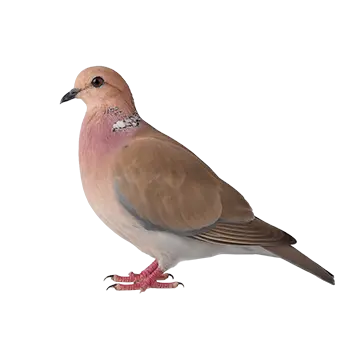

The Senegal Dove, also widely known as the Laughing Dove (Spilopelia senegalensis), is a granivorous species whose wild diet consists primarily of small seeds gathered from the ground, supplemented with occasional insects, berries, and plant matter. In captivity, replicating this dietary profile requires a thoughtful approach that balances the bird's natural seed-based preferences with the nutritional completeness necessary for a long and healthy life. Unlike parrots, which require complex diets rich in fruits and vegetables, doves thrive on a comparatively straightforward regimen, but simplicity should never be confused with indifference to quality.
Protein requirements for the Senegal Dove are moderate, typically ranging between twelve and sixteen percent of the total diet. During breeding season or molting periods, protein demands increase, and owners should adjust the diet accordingly by offering higher-protein seeds such as millet varieties or incorporating small amounts of hard-boiled egg or commercial egg food. Insufficient protein during these physiologically demanding periods can result in poor feather development, reduced fertility, and weakened immune function.
Calcium and phosphorus play essential roles in bone health, eggshell formation, and muscular function. The calcium-to-phosphorus ratio should lean toward calcium dominance, ideally around two to one. Seeds alone rarely provide adequate calcium, which makes supplemental sources like cuttlebone, mineral grit, and calcium-enriched foods important components of the overall feeding strategy. Female Senegal Doves that are actively laying eggs have especially elevated calcium needs and may develop egg binding if their dietary calcium is insufficient.
Fat content should remain moderate in the daily diet. Senegal Doves are less active in captivity than in the wild, where they spend significant portions of the day foraging across open ground. High-fat seeds like sunflower and hemp, while enjoyed by the birds, should be offered sparingly to prevent obesity and fatty liver disease, both of which are common in captive doves fed uncontrolled seed diets. A diet built around smaller, lower-fat seeds with occasional high-fat treats strikes the appropriate balance.