
Food and Water Dishes

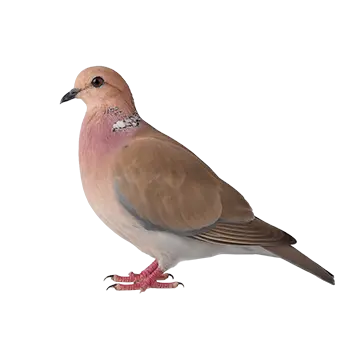
The selection of food and water dishes for a Senegal Dove involves more practical consideration than most new owners anticipate. Doves eat by pecking individual seeds from a surface, and they drink by inserting their beaks into water and sucking continuously rather than tipping their heads back to swallow as most other bird species do. This unique drinking method means the water vessel must be deep enough for beak immersion but not so deep that the bird risks wetting its chest feathers or, in the case of a young or weakened bird, losing its balance and falling in.

Ceramic crocks are the preferred dish material for Senegal Doves. Their weight provides stability against tipping, their glazed surfaces resist bacterial biofilm accumulation, and they are dishwasher safe for thorough sterilization. Stainless steel dishes are equally hygienic and virtually indestructible, though their light weight means they should be fitted with a secure cage-mounting bracket or placed inside a heavier holder to prevent sliding and overturning. Plastic dishes, while inexpensive, develop scratches over time that harbor bacteria and are difficult to sanitize completely.

Dish placement within the cage matters for both hygiene and behavioral reasons. Food dishes should be positioned at perch height or on a platform perch rather than on the cage floor, where they accumulate droppings and encourage the growth of pathogenic organisms. Water dishes benefit from a similar elevated placement, though they should be located away from food dishes and perches to reduce contamination from seed husks, feather dust, and fecal matter. Some owners maintain two water sources at different locations in the cage to ensure continuous access even if one becomes fouled.

Automated water dispensers, including tube-style bottle drinkers and gravity-fed reservoirs, can supplement or replace open water dishes. Tube drinkers reduce contamination significantly because the water is enclosed until the bird activates the drinking valve. However, not all Senegal Doves adapt to tube drinkers readily, and some individuals refuse to use them entirely. If transitioning to a tube system, keep an open water dish available simultaneously until you have confirmed that the dove is drinking from the tube regularly. Gravity-fed dispensers with enclosed reservoirs and a small open drinking trough at the base offer a middle ground that most doves accept without difficulty.

Lighting and Environmental Controls

Appropriate lighting is one of the most impactful yet frequently overlooked accessories in Senegal Dove care. Birds perceive light differently than mammals, utilizing a broader spectrum that includes ultraviolet wavelengths invisible to human eyes. Full-spectrum lighting that includes UVA and UVB output supports vitamin D3 synthesis, calcium metabolism, accurate color perception, and hormonal regulation. For doves housed indoors without direct access to unfiltered sunlight, a full-spectrum avian light fixture is not a luxury — it is a physiological necessity.

When selecting a full-spectrum light, look for products specifically designed for avian use, with a color rendering index above ninety and documented UVB output in the range appropriate for birds. The light should be positioned above or to the side of the cage at a distance recommended by the manufacturer, typically twelve to eighteen inches from the bird's primary perching area. Placing the light too close risks UVB overexposure, while excessive distance renders the UVB component ineffective. A timer should control the light cycle, providing ten to twelve hours of illumination followed by a corresponding dark period that supports natural rest.

Cage covers serve an important complementary function to lighting by establishing a clear transition between the active and resting periods of the day. A cover made from dark, breathable fabric draped over the cage in the evening signals the end of the light period and encourages the dove to settle into its nighttime roosting routine. The cover should be opaque enough to block ambient room light but breathable enough to allow adequate air circulation. Heavy blankets and non-porous materials can trap moisture, carbon dioxide, and airborne particulates, creating a microenvironment beneath the cover that is unhealthy for the bird.

Room temperature and humidity monitoring round out the environmental control picture. A simple digital thermometer and hygrometer placed near the cage allows the owner to track ambient conditions and intervene when temperatures fall outside the comfortable range for Senegal Doves, generally between sixty-five and eighty degrees Fahrenheit, or when humidity drops below thirty percent, which can desiccate feathers and respiratory membranes. Small adjustable space heaters with thermostat controls can supplement room heating during cold periods, but they should never be positioned close enough to the cage to create localized hot spots or fire hazards.

Travel Carriers and Transport

A dedicated travel carrier is an essential accessory that every Senegal Dove owner should acquire before the need arises. Veterinary visits, emergency evacuations, temporary relocations, and even routine cage cleaning all require a safe, enclosed space to contain the bird outside its primary enclosure. Attempting to transport a dove in an improvised container such as a cardboard box or a towel-wrapped bundle creates unnecessary stress and risk for both the bird and the handler.

The ideal carrier for a Senegal Dove is a small, hard-sided plastic carrier with a secure latch, ventilation slots on multiple sides, and a removable perch mounted low inside the enclosure. Soft-sided fabric carriers marketed for small pets can work but are less desirable because they are difficult to clean after the inevitable droppings, they offer less structural protection during transport, and a stressed bird may push against flexible walls in ways that create escape risk at seams or zipper openings. A carrier measuring approximately twelve by eight by ten inches provides adequate space for a single Senegal Dove without being so large that the bird is thrown off balance during vehicle movement.

Preparing the carrier for use involves lining the bottom with a paper towel or a piece of non-slip shelf liner to provide traction and absorb moisture. A small, shallow water dish secured to the carrier floor or wall is appropriate for trips longer than thirty minutes, though it will inevitably spill during vehicle movement and should be refilled upon arrival. For longer journeys, a piece of wet leafy green tucked into the carrier provides both hydration and a calming snack. Seeds can be scattered on the carrier floor for trips exceeding an hour.

Acclimating the dove to the carrier before it is needed reduces transport-related stress significantly. Leaving the carrier open near the cage with a few seeds scattered inside allows the bird to explore it voluntarily over several days. Periodic short practice sessions where the dove is placed inside the carrier for five to ten minutes while the owner remains nearby and speaks calmly teach the bird that the carrier is a temporary and non-threatening environment. Doves that have been carrier-trained in advance exhibit measurably less stress during actual transport than those encountering the carrier for the first time during an emergency or veterinary visit.

Grooming Supplies

Senegal Doves are meticulous self-groomers that spend a substantial portion of their waking hours preening, aligning feather barbules, and distributing preen gland oil across their plumage. Under normal circumstances, a healthy dove on a balanced diet requires minimal grooming intervention from its owner. However, several grooming accessories should be on hand to address situations that arise periodically throughout the bird's life, including nail overgrowth, feather issues, and skin concerns.

Nail trimming is the most common grooming task for captive Senegal Doves. In the wild, walking across rough ground, gravel, and rock surfaces naturally wears the nails to an appropriate length. In captivity, smooth perch surfaces and soft substrates allow nails to grow longer than is comfortable or safe, potentially causing the bird's toes to splay unnaturally or the nails to catch on cage fabric or textiles. A pair of small, sharp nail clippers designed for birds or cats and a container of styptic powder for managing accidental bleeding are the two grooming tools every dove owner should keep accessible.

The nail trimming procedure itself requires gentle restraint. Wrapping the dove loosely in a small towel so that one foot is exposed at a time provides secure handling without placing excessive pressure on the bird's chest, which can restrict breathing. Each nail should be trimmed conservatively, removing only the sharp tip and staying well clear of the blood vessel visible inside the nail shaft. For doves with dark nails where the vessel is not visible, trimming only the very tip and filing the rest with a fine-grit emery board reduces the risk of cutting into the quick.

Beak maintenance is rarely necessary for Senegal Doves that have access to cuttlebone, mineral blocks, and textured perches. These surfaces provide the abrasive contact that keeps the beak naturally shaped and at the correct length. In cases where the beak becomes overgrown or misaligned, typically due to underlying health conditions such as liver disease or nutritional imbalance, beak trimming should be performed by an avian veterinarian rather than attempted at home. Improper beak trimming can cause pain, cracking, and hemorrhage that significantly worsen the bird's condition.

Cleaning Products and Hygiene

Maintaining a hygienic environment is fundamental to Senegal Dove health, and having the right cleaning products on hand makes the difference between a thorough daily routine and a haphazard one. The cleaning product arsenal for dove care should include a bird-safe cage disinfectant, plain white vinegar, unscented dish soap, a dedicated set of scrub brushes, and a handheld vacuum or small dustpan and brush for managing the inevitable scatter of seed husks and feather particulates around the cage area.

Bird-safe disinfectants are formulated to eliminate bacterial, fungal, and viral pathogens without leaving chemical residues that could harm a bird's sensitive respiratory system. Products based on accelerated hydrogen peroxide or grapefruit seed extract are widely used in aviculture and are effective against the organisms most commonly encountered in captive bird environments. Household cleaners containing bleach, ammonia, phenols, or fragranced surfactants should never be used in or near the cage, as the fumes can cause acute respiratory distress and chronic airway damage in birds.

The cleaning routine should be layered by frequency. Daily tasks include replacing cage floor paper, washing and refilling food and water dishes, and wiping any visible droppings from perches. Weekly tasks include a thorough wipe-down of all cage bars, perches, and accessories with bird-safe disinfectant followed by a clean water rinse. Monthly tasks include inspecting and replacing worn perches, checking cage hardware for zinc corrosion or loose parts, and laundering any fabric cage covers. A quarterly deep clean involves fully disassembling the cage, soaking all removable parts, scrubbing every surface, and allowing everything to dry completely before reassembly.

Air quality management extends the hygiene conversation beyond the cage itself. Senegal Doves produce a moderate amount of feather dust and dander that accumulates on nearby surfaces and circulates through the room's air. An air purifier with a HEPA filter placed near the cage captures airborne particulates and improves air quality for both the bird and the household occupants. Avoid air purifiers that produce ozone or ionized particles, as both are respiratory irritants. Regular vacuuming and damp-dusting of surfaces near the cage further reduce particulate accumulation.

First Aid Kit and Emergency Supplies

A dedicated avian first aid kit prepared in advance can make a critical difference in the outcome of a health emergency. Senegal Doves are small birds that deteriorate quickly when ill or injured, and the window for effective intervention is often narrow. Having supplies organized and accessible eliminates the delay of searching for items during a crisis. The kit should be stored in a clearly labeled container kept in a consistent location that all household members are aware of.

The core contents of a dove first aid kit include styptic powder or cornstarch for controlling nail or minor wound bleeding, a small pair of blunt-tipped scissors for cutting entangled threads or fibers, tweezers for removing debris, sterile gauze pads and non-adhesive wound wrap for bandaging, a small flashlight or penlight for visual examination, and a digital gram scale for monitoring body weight. Weight monitoring is one of the most sensitive early indicators of illness in doves, as a bird can lose a significant percentage of its body mass before other symptoms become apparent. A healthy adult Senegal Dove typically weighs between ninety and one hundred thirty grams, and a decline of more than ten percent warrants veterinary consultation.

A heating source is a critical emergency supply. Sick or injured birds lose body heat rapidly, and maintaining warmth is often the most important immediate intervention an owner can provide while arranging veterinary care. A small heating pad set to a low temperature and placed beneath half of the hospital or transport cage allows the bird to thermoregulate by moving toward or away from the heat source. Alternatively, a ceramic heat emitter mounted above a hospital cage provides ambient warmth without light, which allows the bird to rest undisturbed.

The most important item in any first aid kit is the contact information for an avian veterinarian and the nearest avian emergency clinic, including after-hours and weekend numbers. First aid supplies address immediate stabilization, but they do not replace professional veterinary care. Knowing in advance where to take a sick dove and how to reach qualified help eliminates dangerous delays during emergencies. Owners should also keep a printed summary of their dove's normal weight, diet, and any ongoing medical conditions with the kit, as this information helps the veterinarian assess the severity of the current situation quickly and accurately.

Always consult a qualified professional before making any health-related decisions. This content is provided for informational reference only and should not replace professional guidance specific to your animal.