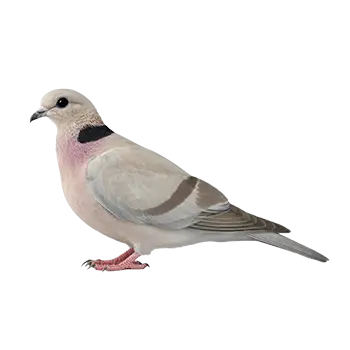

Nutritional Needs

Ring-Necked Doves are granivores whose dietary requirements differ substantially from those of hookbill species like parrots and cockatiels. Their digestive system is optimized for processing whole seeds and grains, and their nutritional needs reflect a metabolism geared toward sustained, low-intensity activity rather than the high-energy demands of climbing, chewing birds. Understanding these fundamental differences is essential when selecting food products, because items marketed broadly as bird food are frequently formulated for psittacines and may be nutritionally inappropriate or even harmful to doves.

Protein requirements for Ring-Necked Doves are moderate compared to larger parrots. An adult dove in maintenance condition does well on a diet containing roughly twelve to fifteen percent protein, with slightly higher levels appropriate during breeding, molting, or recovery from illness. Excessive protein can strain the kidneys over time, so products designed for high-performance species or those packed with legume-heavy pellet formulations should be evaluated carefully before being offered as dietary staples.

Fat is an important energy source but should constitute a relatively small proportion of the overall diet. Ring-Necked Doves are not strong fliers in captivity and tend to be sedentary compared to wild populations, making them susceptible to obesity when offered high-fat seed mixes heavy in sunflower or safflower. A base diet built on low-fat grains like millet and canary seed, supplemented with measured portions of slightly higher-fat seeds, provides the right caloric profile for most pet doves.

Calcium and phosphorus balance is a quiet but critical concern. Breeding hens in particular need reliable calcium intake to support eggshell formation, and even non-breeding doves require adequate calcium for bone density and muscular function. Because seed-based diets tend to be calcium-poor and phosphorus-rich, supplementation through grit, cuttlebone, or calcium-enriched products is a standard and necessary part of dove nutrition rather than an optional extra.

What to Look For

Seed quality is the single most important factor when purchasing food for Ring-Necked Doves. Fresh, clean seed should have a slight sheen, feel dry to the touch without being dusty, and carry a mild, grain-like smell. Stale or improperly stored seed loses nutritional value rapidly, and seed contaminated with mold or insect frass can cause serious digestive and respiratory illness. Buying from retailers with high product turnover or sourcing directly from avian specialty suppliers helps ensure freshness.

Ingredient composition on the label tells much of the story. A quality dove seed mix should list white proso millet as its primary ingredient, followed by other small grains such as canary seed, red millet, and Japanese millet. Some mixes include small amounts of safflower, hemp seed, or flax for added fat and omega fatty acids, which is appropriate as long as these richer seeds do not dominate the blend. Mixes heavy in sunflower seed, peanuts, or dried corn are designed for parrots and should be avoided entirely for doves.

Grit and mineral supplementation products deserve careful evaluation. Doves, unlike parrots, benefit from access to insoluble grit because their gizzards use it to mechanically grind whole seeds. A quality grit product should contain a blend of crushed granite or flint particles sized appropriately for doves, often combined with oyster shell fragments that supply calcium as they dissolve. Grit products marketed for larger poultry may contain particles too large for a dove to safely ingest, so species-appropriate sizing matters.

Packaging and storage conditions affect nutritional integrity. Seed sold in resealable bags or vacuum-sealed packaging retains freshness longer than product sold in simple paper sacks. Once opened, seed should be stored in airtight containers in a cool, dry location away from direct sunlight. Any product that arrives with visible moisture, clumping, or an off smell should be returned rather than fed, regardless of the expiration date printed on the package.

Recommended Seed & Pellet Options

The core of a Ring-Necked Dove's diet should be a high-quality dove or pigeon seed mix composed primarily of small grains. White proso millet typically forms the base, often comprising forty to sixty percent of the blend, with canary seed, red millet, and niger seed rounding out the mixture. Some premium blends incorporate small quantities of hemp seed, perilla, and flax, which add beneficial fatty acids without pushing the overall fat content into unhealthy territory. The best products clearly list each seed type and its percentage on the label, allowing owners to evaluate the composition rather than guessing at the contents.

Pellet diets formulated specifically for doves and pigeons have become increasingly available and represent a meaningful nutritional advancement. Unlike seed mixes, pellets deliver a consistent nutritional profile in every bite, eliminating the selective feeding behavior that leads many doves to pick out preferred seeds and leave the rest. Dove-specific pellets are typically smaller and softer than parrot pellets, reflecting the dove's smaller beak and different feeding mechanics. Transitioning a seed-accustomed dove to pellets requires patience, and many owners find that a gradual blending approach over several weeks produces the best results.

Some owners opt for a combination approach, offering a measured portion of seed mix alongside a separate dish of pellets and allowing the bird to consume both throughout the day. This strategy captures the nutritional completeness of pellets while preserving the foraging satisfaction that seed eating provides. When using this method, it is important to monitor consumption patterns to ensure the bird is actually eating the pellets rather than simply waiting for the seed dish to be refilled.

Egg food and conditioning supplements designed for soft-billed birds or finches can serve as valuable protein boosts during breeding season and molt. These products typically contain dried egg, ground insects, and fortified vitamins in a crumbly texture that doves find palatable. They should be offered in small amounts alongside the regular diet rather than as a replacement for it, and any uneaten portions should be removed within a few hours to prevent spoilage.

Fresh Foods & Supplements

While seeds and pellets form the dietary foundation, fresh foods provide micronutrients and dietary variety that processed products cannot fully replicate. Ring-Necked Doves are generally less adventurous with fresh foods than parrots, but many will accept finely chopped greens, grated vegetables, and small pieces of fruit when these are introduced gradually and presented consistently. The key is to offer fresh items alongside familiar foods rather than replacing the seed dish, which can cause stress and refusal.

Dark leafy greens such as romaine lettuce, kale, dandelion greens, and spinach provide vitamins A and K along with trace minerals. Greens should be washed thoroughly, chopped or torn into small pieces appropriate for a dove's beak, and offered in a shallow dish or clipped to the cage bars with a vegetable clip. Spinach should be offered less frequently than other greens due to its oxalic acid content, which can interfere with calcium absorption when consumed in large quantities.

Calcium supplementation is a non-negotiable component of Ring-Necked Dove nutrition, particularly for hens. Cuttlebone mounted in the cage provides both a calcium source and a beak-conditioning surface. Crushed oyster shell mixed into the grit supply offers another avenue of calcium delivery. Liquid calcium supplements designed for birds can be added to the water supply during breeding season or periods of increased demand, though water-based supplementation should follow veterinary dosing guidelines to avoid mineral imbalances.

Vitamin supplements formulated for softbills or doves can be useful for birds on predominantly seed-based diets, which tend to be deficient in vitamins A, D, and E. Powdered supplements that adhere to damp seed or fresh foods are generally more effective than water-soluble versions, which can degrade in water and alter its taste enough to reduce water intake. Over-supplementation should be avoided, particularly with fat-soluble vitamins, and birds eating a balanced pellet-and-fresh-food diet rarely need additional vitamin supplementation.

Treats & Foraging Foods

Treats for Ring-Necked Doves should be simple and species-appropriate. Unlike parrots, doves do not manipulate food with their feet or crack open hard shells, so treats designed for hookbill species are usually unsuitable. Spray millet is the most universally accepted dove treat, providing a familiar food in a natural format that encourages gentle foraging behavior. A small sprig of spray millet offered several times a week gives the bird an opportunity to pick at seed heads in a manner that mimics natural ground foraging.

Small seeds scattered on a flat tray or shallow dish serve as an effective foraging enrichment that doubles as a treat. A pinch of niger seed, hemp hearts, or flax seed offered separately from the main seed mix adds dietary variety and gives the bird something special to seek out. These richer seeds are calorie-dense, so portions should be kept small. A teaspoon of supplemental seeds per day is adequate for most adult doves and prevents the gradual weight gain that can accompany generous treat feeding.

Commercial treat products marketed for doves and pigeons include seed bells, honey sticks, and pressed seed cakes. While these products are generally safe, many contain binding agents like honey or corn syrup that add unnecessary sugar to the diet. If offering these products, choose versions with minimal added sweeteners and treat them as occasional diversions rather than regular dietary components. The packaging often suggests daily use, but weekly or twice-weekly offering is more appropriate from a nutritional standpoint.

Finely diced fruits such as apple, pear, grape, and berries can be offered in small amounts as occasional treats. Most Ring-Necked Doves are slower to accept fruit than greens, and some never develop a strong interest. This is normal and not a cause for concern, as fruit is a minor nutritional contributor for granivorous species. Any fruit offered should be fresh, thoroughly washed, free of seeds or pits, and removed from the cage within a few hours to prevent bacterial growth in warm conditions.

Foods to Avoid

Several foods that are safe for humans or other pet species pose genuine health risks to Ring-Necked Doves. Avocado tops the list of dangerous foods, as the persin it contains is toxic to birds across all species and can cause cardiac failure even in small quantities. Every part of the avocado plant, including the flesh, skin, pit, and leaves, must be kept away from doves. This extends to foods prepared with avocado oil or containing avocado as an ingredient.

Chocolate and caffeine-containing products are acutely toxic to birds. Theobromine and caffeine cause cardiac arrhythmia, hyperexcitability, and seizures in doses far smaller than those harmful to mammals. Coffee, tea, chocolate in any form, and energy drinks or supplements should never be accessible to a dove, whether as a direct offering or as a leftover in a cup within reach of the cage.

Onions, garlic, and other alliums contain organosulfur compounds that can damage avian red blood cells, leading to hemolytic anemia with repeated exposure. While a single incidental exposure to a tiny amount is unlikely to produce clinical signs, these ingredients should be treated as categorically unsafe and excluded from any food shared with or prepared near doves. Many processed and prepared foods contain onion or garlic powder as a seasoning, making label reading essential before offering human food.

High-salt foods present a serious risk because birds have limited renal capacity to excrete excess sodium. Chips, crackers, pretzels, salted nuts, and other human snack foods can cause dehydration, kidney damage, and electrolyte crisis in birds. Similarly, sugary foods and those containing artificial sweeteners should be avoided. Xylitol, while its specific toxicity in birds is less studied than in dogs, is generally regarded as unsafe for avian species. Rhubarb, raw dried beans, and fruit pits and apple seeds containing amygdalin round out the list of foods that should be permanently excluded from a dove's environment.

Always consult a qualified professional before making any health-related decisions. This content is provided for informational reference only and should not replace professional guidance specific to your animal.