
Nutritional Needs

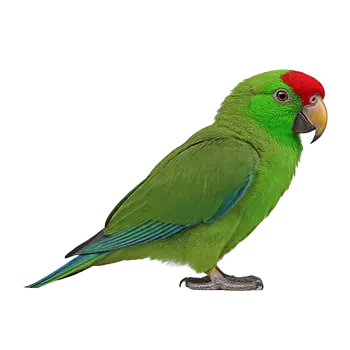
Red-Lored Amazons are stocky, energetic parrots native to the tropical lowlands of Mexico and Central America, and their dietary requirements reflect both their robust build and their tendency toward weight gain in captivity. In the wild, these birds forage across a wide range of fruits, seeds, nuts, flowers, and leaf buds, consuming a naturally varied diet that shifts with seasonal availability. Replicating that diversity in a domestic setting is the central challenge of feeding this species well. A diet that is too narrow, too fatty, or too reliant on a single food group will eventually produce health problems that are far easier to prevent than to treat.

Like all Amazon parrots, Red-Lored Amazons are particularly prone to obesity and fatty liver disease when their caloric intake exceeds their activity level. This is not a minor concern. Hepatic lipidosis is one of the leading causes of premature death in captive Amazons, and it develops gradually over years of overfeeding high-fat seeds and nuts. A responsible dietary plan keeps fat content moderate and emphasizes nutrient-dense foods that satisfy the bird without delivering excess calories.

Vitamin A is a critical nutrient for this species. Red-Lored Amazons fed predominantly on seed diets frequently develop hypovitaminosis A, which weakens the mucosal linings of the respiratory and digestive tracts and increases vulnerability to bacterial and fungal infections. Beta-carotene-rich vegetables and a well-formulated pellet are the most reliable ways to maintain adequate vitamin A levels without the risk of toxicity that comes with synthetic supplementation.

Protein requirements for Red-Lored Amazons are moderate compared to larger parrot species but still meaningful. Cooked legumes, sprouted seeds, and quality pellets provide the amino acids necessary for feather production, muscle maintenance, and immune function. During molting periods, protein needs increase noticeably, and owners should plan for slightly richer food offerings during these times to support the energy-intensive process of regrowing feathers.

What to Look For

Selecting the right commercial foods for a Red-Lored Amazon begins with reading ingredient labels carefully. The first several ingredients in any pellet or food mix should be recognizable whole foods such as ground corn, oats, rice, soy, or dried vegetables. Products that list sugar, artificial colors, or ethoxyquin preservatives among the top ingredients should be avoided. Artificial dyes are a common marketing tactic aimed at owners rather than birds, and they contribute nothing to the nutritional profile of the food.

Pellet size is a practical consideration that affects both acceptance and waste. Red-Lored Amazons are medium-sized parrots with strong beaks, and they handle pellets designed for medium to large hookbills most comfortably. Pellets that are too small tend to crumble and get discarded, while very large pellets intended for macaws can be awkward for the bird to grip. Testing two or three size options early on helps identify what the individual bird prefers.

For seed mixes used as supplemental food, look for blends that include a variety of seed types beyond sunflower and safflower. The best supplemental mixes incorporate dried herbs, dehydrated vegetables, and a range of small seeds like millet, canary grass seed, and hemp seed. Avoid mixes with candy-colored pieces, sugared fruit, or visible chemical coatings. Purchasing seeds from suppliers who test for aflatoxin contamination is an additional safeguard, as improperly stored seeds can harbor dangerous molds.

Fresh produce quality matters as much as variety. Organic vegetables and fruits reduce pesticide exposure, which is particularly important for birds because of their small body mass and rapid metabolism. When organic options are unavailable or prohibitively expensive, thorough washing with a produce-safe rinse removes much of the surface residue. Wilted, discolored, or spoiled produce should never be offered, as birds are more sensitive to foodborne pathogens than mammals.

Recommended Pellet Types

Formulated pellets should constitute approximately fifty to sixty percent of a Red-Lored Amazon's daily caloric intake. The pellet market has matured significantly, and several distinct manufacturing approaches are available. Extruded pellets, which are processed under heat and pressure, tend to have a uniform texture and consistent nutrient distribution. Cold-pressed pellets retain slightly more of the raw ingredient's natural enzymes and nutrients but may have a shorter shelf life. Both types can serve as a sound dietary foundation when the formulation is well-designed.

Naturally colored pellets made from whole grains, legumes, and vegetable powders are preferable to artificially dyed products. Some manufacturers use beet juice, turmeric, or spirulina to add visual variety without synthetic additives, and these can be a reasonable middle ground for birds that are visually stimulated by color differences in their food. The key distinction is between dyes added purely for appearance and natural colorants that also contribute trace nutrients.

Species-targeted formulations designed for Amazon parrots are available from several major avian nutrition companies. These products typically feature reduced fat content compared to all-purpose parrot pellets, reflecting the Amazon's documented vulnerability to obesity and liver disease. Some also include added herbal ingredients or plant-based compounds intended to support liver function. While the clinical evidence for these additives is limited, the adjusted macronutrient profile of Amazon-specific pellets is a genuine advantage over generic formulations.

Transitioning a seed-addicted Red-Lored Amazon to pellets requires patience and strategy. Mixing a small percentage of pellets into the existing seed mix and gradually increasing the ratio over several weeks is the most reliable method. Some owners have success moistening pellets slightly to release their aroma, or grinding pellets into a powder that can be sprinkled over favored fresh foods. Abrupt dietary switches should be avoided, as Amazons can be stubborn enough to refuse unfamiliar food to the point of dangerous weight loss.

Fresh Foods and Cooking Mixes

The fresh food component of a Red-Lored Amazon's diet provides essential micronutrients, dietary fiber, and mental stimulation that pellets alone cannot deliver. A thoughtful fresh food rotation should include dark leafy greens such as kale, Swiss chard, mustard greens, and dandelion greens, all of which supply calcium, iron, and vitamin K. These should be offered raw or lightly steamed to preserve nutrient content, and they can be clipped to the cage bars to encourage foraging behavior rather than simply placed in a dish.

Orange and red vegetables are especially important for maintaining vitamin A status. Sweet potatoes, butternut squash, carrots, and red bell peppers are all rich in beta-carotene and are generally well-accepted by Red-Lored Amazons. These can be offered raw in small pieces, baked, or steamed. Cooking breaks down the cell walls and actually increases the bioavailability of certain carotenoids, so offering a mix of raw and cooked preparations maximizes nutritional benefit.

Commercial cooking mixes formulated for parrots offer convenience for owners who want to provide cooked grains and legumes without extensive meal preparation. The best of these products contain recognizable ingredients like lentils, quinoa, brown rice, barley, and dried vegetable pieces, with no added salt, sugar, or preservatives. Prepared in bulk and portioned into daily servings, these mixes can be frozen and thawed as needed, making consistent fresh food offerings practical even for busy households. Adding freshly chopped vegetables to the prepared mix before serving increases both nutritional value and textural variety.

Sprouted seeds deserve particular mention for Red-Lored Amazons. The sprouting process converts stored fats into proteins and vitamins, dramatically improving the nutritional profile of seeds while reducing their caloric density. Mung beans, lentils, sunflower seeds, and buckwheat are all excellent sprouting candidates. Dedicated sprouting kits with ventilated trays simplify the process, but careful hygiene is essential: sprouts must be rinsed thoroughly twice daily and discarded at the first sign of off-odor or sliminess, as the warm, moist sprouting environment is also ideal for bacterial growth.

Treats and Supplements

Treats play an important role in training, bonding, and enrichment for Red-Lored Amazons, but they must be chosen carefully to avoid contributing to the obesity that plagues this genus. Nuts are the most motivating treat for most Amazons, and small pieces of walnut, almond, or pecan can be extraordinarily effective as training rewards. However, nuts should be treated as caloric events rather than casual snacks. A reasonable daily nut allowance for a Red-Lored Amazon is two to three whole nuts, or the equivalent in smaller pieces, with the amount adjusted downward if the bird is overweight or sedentary.

Dehydrated fruit and vegetable chips marketed for parrots can serve as lower-calorie treat alternatives. When selecting these products, verify that they contain no added sugars, sulfur dioxide, or oil coatings. Freeze-dried fruits retain more of their original vitamin content than conventionally dehydrated options and tend to have a crunchier texture that Amazons enjoy. Banana chips, however, are frequently fried and sugar-coated even when marketed as natural, so ingredient labels should be checked carefully.

Calcium supplementation is generally less critical for Red-Lored Amazons than for species like African Greys, but a calcium source should still be available at all times. A cuttlebone or mineral block mounted in the cage allows the bird to self-regulate its calcium intake. For breeding hens or birds with diagnosed calcium deficiencies, liquid calcium supplements added to soft foods under veterinary direction provide more precise dosing than passive sources.

General vitamin supplements should be approached with caution. A Red-Lored Amazon eating a balanced diet of quality pellets, varied fresh vegetables, and moderate treats typically receives adequate vitamins and minerals without supplementation. Adding a multivitamin to an already complete diet risks oversupplying fat-soluble vitamins, particularly vitamins A and D, which accumulate in the liver and can reach toxic levels. Supplementation is most appropriate for birds recovering from illness, transitioning from a deficient diet, or dealing with specific diagnosed deficiencies, and it should always be guided by an avian veterinarian.

Foods to Avoid

Several categories of food are dangerous or outright toxic to Red-Lored Amazons and must be permanently excluded from the diet. Avocado tops every avian toxicity list because it contains persin, a fungicidal toxin that causes severe cardiac damage in birds. All parts of the avocado plant, including the flesh, skin, pit, and leaves, are toxic, and even small amounts can be fatal. There is no safe form of avocado for any parrot species.

Chocolate and caffeine are both acutely toxic to birds. Theobromine and caffeine affect the avian cardiovascular and nervous systems at doses far below what would trouble a mammal of similar size. Dark chocolate and baking chocolate are the most dangerous, but all chocolate products, including cocoa powder and white chocolate, should be considered off-limits. Coffee, tea, and caffeinated soft drinks pose the same risks and must be kept out of reach.

Onions and garlic, in all forms, contain organosulfur compounds that damage avian red blood cells through oxidative stress. Repeated exposure leads to Heinz body anemia, a condition where damaged hemoglobin accumulates and compromises oxygen transport. This applies equally to raw, cooked, powdered, and dehydrated forms, which means owners must check ingredient lists on any prepared or processed foods shared with their birds.

High-sodium foods present a particular danger to Red-Lored Amazons. Birds have limited renal capacity for excreting excess sodium, and even moderate salt intake can cause polydipsia, polyuria, and in severe cases, fatal electrolyte imbalances. Common household foods like crackers, chips, pretzels, and processed meats contain sodium levels that are harmless to humans but potentially lethal to a twelve-inch parrot. Fruit pits and apple seeds contain cyanogenic glycosides that release hydrogen cyanide during digestion and should always be removed before offering fruit. Raw dried beans contain phytohemagglutinin, a lectin that causes severe gastrointestinal distress in birds, though thorough cooking destroys this compound entirely.

Feeding Schedule

A structured daily feeding routine provides both nutritional consistency and behavioral stability for a Red-Lored Amazon. The morning meal should be the primary fresh food offering, delivered shortly after the bird wakes and the cage cover is removed. Amazons are most active and most receptive to varied foods during the first few hours of daylight, making this the ideal window for introducing new vegetables, cooked grains, or other fresh preparations. Uneaten fresh food should be removed within three to four hours to prevent spoilage, particularly in warm environments where bacterial growth accelerates rapidly.

Pellets should be available throughout the day in a separate dish from fresh foods. Maintaining a constant pellet supply allows the bird to graze naturally between more structured meals, which aligns with the frequent small-meal foraging pattern that wild Amazons follow. The pellet dish should be refreshed daily even if it appears uneaten, as humidity and dust accumulation can degrade both palatability and nutritional quality over time.

An optional late-afternoon feeding provides a second opportunity for fresh food or a small measured portion of seed mix. This mirrors the secondary foraging peak that wild parrots exhibit in the hours before roosting. Offering a different fresh food selection from the morning meal maximizes daily variety without requiring elaborate preparation. This is also an appropriate time for training treats or supervised nut-cracking sessions, which serve double duty as enrichment and bonding activities.

Portion control is a non-negotiable element of feeding a Red-Lored Amazon responsibly. A general guideline is approximately one-quarter cup of pellets and one-quarter to one-third cup of fresh food per day, adjusted based on the individual bird's weight, activity level, and body condition. Regular weigh-ins using a gram scale designed for birds, conducted at the same time each morning before feeding, provide the most objective measure of whether portions are appropriate. Gradual, unexplained weight gain is almost always a dietary signal rather than a medical one, and it should prompt an honest reassessment of treat frequency and seed allowance before it escalates into a clinical problem.

Always consult a qualified professional before making any health-related decisions. This content is provided for informational reference only and should not replace professional guidance specific to your animal.